

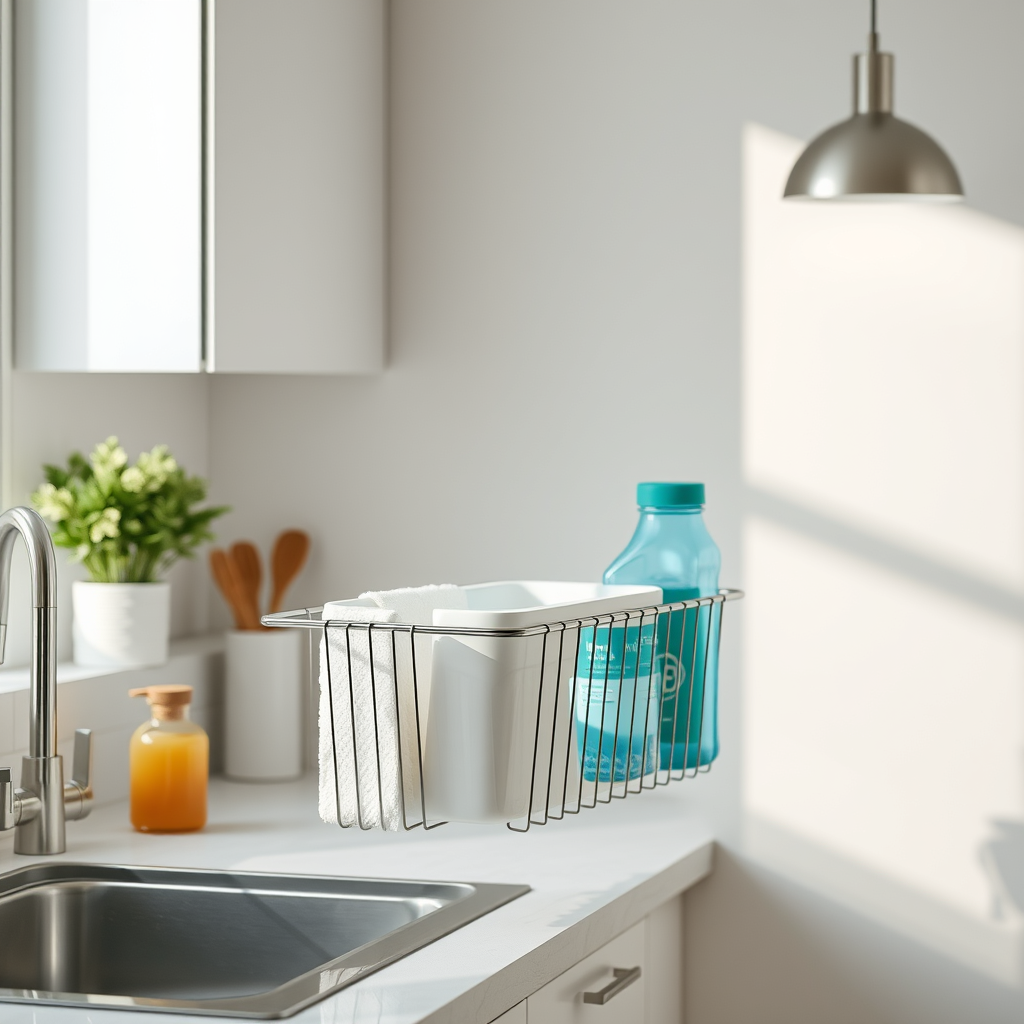
Maintaining a clean kitchen is essential for promoting health and hygiene, and one of the often-overlooked items in this space is the kitchen drying rack. A drying rack can serve as a breeding ground for germs if it’s not cleaned and sanitized properly. Often, these racks are made of materials like stainless steel, plastic, or bamboo, each requiring different cleaning methods and products to ensure they remain free of bacteria and odors. This comprehensive guide will explore the best practices for cleaning and sanitizing your kitchen drying rack, along with tips on how to keep it in pristine condition. Whether you’re an aspiring chef or just someone who enjoys a tidy kitchen, this guide has essential information to help you maintain your drying rack effectively.
Understanding Kitchen Drying Racks
Kitchen drying racks come in various designs and materials, each designed to serve a specific purpose and fit different kitchen aesthetics. Understanding these can help you choose not just the right one for your needs, but also guide you in the methods of cleaning them effectively. Typically, drying racks feature slats or mesh designed for optimal airflow, allowing dishes to air dry quickly. However, this design can also trap food particles and moisture, which, if not addressed, may lead to mold, foul odors, and even pests. With regular maintenance, you can prevent these issues and prolong the lifespan of your drying rack.
Types of Kitchen Drying Racks
While all drying racks serve the same basic function, they come in different materials and structures. Understanding the variations can help ensure you’re using the proper cleaning techniques.
- Stainless Steel: Highly durable and resistant to stains, making it a popular choice.
- Plastic: Lightweight and usually cheaper, but can harbor bacteria if not cleaned properly.
- Bamboo or Wood: Eco-friendly, but can absorb moisture and odors if not maintained.
Essential Supplies for Cleaning
Before diving into the cleaning process, gather the necessary supplies. Having everything at hand will ensure the cleaning goes smoothly and efficiently.
- Dish Soap: A gentle, non-toxic dish soap is ideal for breaking down grease and grime.
- White Vinegar: This natural disinfectant can help sanitize and eliminate odors.
- Baking Soda: Known for its deodorizing properties, it can also provide gentle abrasiveness for scrubbing.
- Soft Sponge or Cloth: Use a non-scratch sponge to avoid damaging the surface.
- Disinfectant Spray: For additional sanitize, a mild disinfectant can be employed after cleaning.
Step-by-Step Cleaning Process
Cleaning your kitchen drying rack can be straightforward. Follow these steps for effective cleaning:
- Remove Debris: Begin by clearing off any dishes and wiping away crumbs or food particles.
- Prepare Cleaning Solution: Mix warm water with a few drops of dish soap in a bowl or sink.
- Soak Your Sponge: Dip your sponge into the soapy water and wring it out to prevent excess water dripping.
- Scrub Gently: Clean each section of the rack, paying special attention to corners and crevices where grime tends to accumulate.
- Rinse and Dry: Rinse the rack thoroughly with clean water, then dry immediately with a clean cloth.
Sanitizing Your Drying Rack
After cleaning, it’s crucial to sanitize your drying rack to eliminate any lingering bacteria. Here’s how to effectively complete this step: Check sanitize kitchen drying rack prices on Amazon
- Prepare Vinegar Solution: Mix equal parts of white vinegar and water in a spray bottle.
- Spray the Rack: Generously coat the rack with the vinegar solution, allowing it to sit for at least 10 minutes.
- Wipe Down: After the soaking period, wipe the surface with a clean cloth.
- Final Rinse (if desired): Although vinegar can be a great disinfectant, you can rinse lightly if you prefer.
- Air Dry: Allow the rack to air dry completely to minimize the risk of moisture buildup.
Comparison of Drying Rack Types
| Type | Material | Durability | Maintenance |
|---|---|---|---|
| Stainless Steel | Metal | High | Easy; resistant to rust and stains |
| Plastic | Polymer | Medium | Requires frequent cleaning to prevent bacteria |
| Bamboo/Wood | Natural Material | Medium | May require oiling; sensitive to moisture |
Prolonging the Lifespan of Your Drying Rack
In addition to routine cleaning and sanitizing, several practices can enhance your drying rack’s longevity:
- Avoid Overloading: Placing too many items can cause strain and may damage materials.
- Limit Wet Items: Ensure that only clean, lightly wet dishes are placed on the rack to minimize water retention.
- Store Properly: If your drying rack is collapsible, storing it in a dry area can prevent warping and damage.
- Regular Inspections: Routinely check for signs of mold or damage that may require immediate attention.
Using Natural Cleaners
For those concerned about the impact of chemicals, natural cleaning products are an excellent alternative. Ingredients like lemon juice, baking soda, and essential oils not only clean but also impart pleasant fragrances. For instance, a moisture-absorbing mixture of baking soda and water can effectively scrub stubborn stains off your drying rack, while lemon juice’s acidic properties eliminate grime and freshen up the smell. When opting for natural cleaners, be sure to test on a small area first to ensure it won’t damage the material.
Recognizing Signs Your Drying Rack Needs Cleaning
Paying attention to your drying rack can save you from bigger health issues later. Here are some key signs that it may be due for a thorough cleaning:
- Visible Debris: Food remnants or dust accumulation is evident.
- Odor: Any unpleasant smells can be an indicator of bacteria buildup.
- Discoloration: Stains on wood or plastic can indicate mold or mildew.
- Frequent Use: If you cook often, a more frequent cleaning routine may be necessary.
Common Mistakes When Cleaning
Even with the best intentions, cleaning your drying rack can lead to oversights. Here are some common mistakes to avoid:
- Using Abrasive Sponges: Steel wool or rough sponges can scratch surfaces, especially on plastic.
- Skipping the Sanitization Step: Neglecting to sanitize after cleaning undermines the cleaning effort.
- Using Harsh Chemicals: Strong cleaners can lead to toxic residues remaining on the rack.
- Lack of Regular Maintenance: Failing to address minor issues can lead to bigger problems in the long run.
Frequently Asked Questions
How often should I clean my drying rack?
It is recommended to clean your drying rack after every extensive use or at least once a week to prevent buildup of grime and bacteria.
Can I put my wooden drying rack in the dishwasher?
No, wooden drying racks can warp or crack in the dishwasher. Hand washing is the best method for wooden racks.
What are the signs of a moldy drying rack?
Workplace humid odors, visible mold patches, or discoloration indicate that your drying rack may have mold issues that require immediate attention.
Are there any natural alternatives to chemical sanitizers?
Yes, vinegar, hydrogen peroxide, and lemon juice are all effective natural sanitizers that can eliminate bacteria while being safe for food-related surfaces.
Is it necessary to dry the rack after washing?
Yes, drying the rack completely after washing is crucial to prevent moisture retention, which can lead to mold and mildew growth.
Can I leave my drying rack outdoors?
It’s not recommended to leave drying racks outdoors for extended periods as this can cause wear and tear from weather exposure.
Does baking soda really help remove odors?
Absolutely! Baking soda is a natural deodorizer and can help eliminate unpleasant smells from your drying rack.
How can I prevent rust on my metal drying rack?
Ensure it is dried thoroughly after every wash and store it in a dry location to prevent moisture accumulation, which leads to rust.
Final Thoughts
Maintaining a clean and sanitized kitchen drying rack is not just about aesthetics; it’s about health and safety. By understanding the types of drying racks, employing effective cleaning techniques, and implementing regular maintenance routines, you can significantly extend the life of your drying rack while ensuring that it remains a safe place for your clean dishes. Whether you opt for natural cleaning solutions or conventional products, consistency in cleaning will pay off in the end. Embrace these practices to help cultivate a healthier kitchen environment, contributing to your overall culinary experience.
