
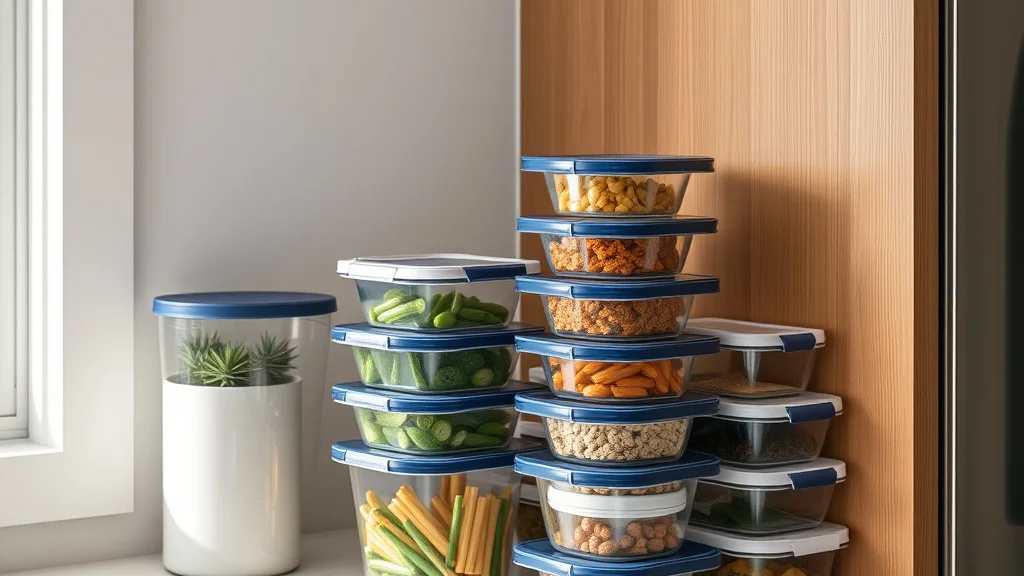
Meal prep boxes and their accompanying lids can often become a kitchen clutter challenge that’s both daunting and overwhelming. As you strive for an organized, efficient kitchen setup, understanding the best ways to declutter these essential items is critical to ensuring a seamless meal preparation process. In this guide, we’ll delve into expert strategies for organizing meal prep boxes using food container and lid storage solutions, focusing on methods suitable for countertop storage. Whether you’re a busy professional, a stay-at-home parent, or someone with an enthusiasm for culinary efficiency, these tips are designed to help streamline your kitchen space effectively.
Understanding the Need for Decluttering
Decluttering your kitchen, particularly your meal prep boxes and lids, serves multiple purposes. Not only does it create more physical space, but it also diminishes the mental clutter, promoting a more pleasant cooking environment. The reasons behind the necessity of decluttering include:
- Enhancing kitchen aesthetics by maintaining an organized and neat appearance.
- Improving efficiency during meal preparations by ensuring everything is easily accessible.
- Extending the lifespan of your containers by preventing damage caused by stacking haphazardly.
Selecting the Right Storage Systems
Choosing the correct storage system is essential in maintaining an orderly countertop. The most effective storage solutions cater to both containers and lids, allowing for easy retrieval and storage. When considering storage systems, focus on:
- The size and dimensions relative to your current collection.
- Ease of access to both containers and their matching lids.
- Durability and material quality to withstand frequent use.
Types of Storage Solutions: A Comparative Analysis
| Storage Type | Benefits | Drawbacks |
|---|---|---|
| Stackable Plastic Bins |
|
|
| Metal Wire Racks |
|
|
Choosing Between Plastic Bins and Metal Racks
When deciding between plastic bins and metal racks, consider the specific needs of your kitchen setup. Stackable plastic bins provide excellent visibility, which can be advantageous if you have a diverse array of containers and need quick access. However, if you’re seeking long-lasting durability and aren’t concerned about cost, metal wire racks offer superior strength and air circulation, mitigating the risk of mold growth around stored items.
Optimizing Countertop Space
Maximizing the use of your countertop involves strategic placement and thoughtful design compatibility. Here are some expert tips:
- Group items by frequency of usage, placing the most regularly used containers in a more accessible location.
- Use vertical space efficiently, employing racks or tiered storage systems.
- Regularly reassess your inventory to remove any damaged or no-longer-used containers.
Maintaining Container and Lid Sets
A common challenge in maintaining container organization is mismatched lids and containers. Here are strategies to mitigate these issues:
- Consider investing in containers that nest or have universal lids for easy matching.
- Label your containers and lids according to size and volume for straightforward pairing.
- Create a designated area for lids, using dividers or small baskets to keep them upright and sorted.
Incorporating Labeling Systems
Labels can greatly ease the process of finding what you need, enhancing both your organizational efforts and meal prep efficiency. Effective labeling strategies include:
- Using erasable labels to mark contents and usage dates, ensuring freshness and reducing food waste.
- Color-coordinating your various meal prep categories to streamline identification.
- Employing digital tracking with apps, especially for rotating meal preps, to manage inventory and plan meals.
Utilizing Digital Organization Tools
Embrace technology to further streamline your kitchen obstacle course. Digital tools offer innovative approaches, like:
- Inventory tracking apps that notify you when containers are running low.
- Organizational apps that help in swapping or sharing surplus meals within your community.
- Virtual meal-planning platforms that sync with your container inventory for optimal resource management.
Regularly Reassessing and Adjusting Setup
Adopt an iterative approach to decluttering by regularly reassessing your setup. Make routine adjustments, keeping in mind:
- Your changing dietary needs and related container requirements.
- Space adaptations due to kitchen renovations or appliance additions.
- Feedback from other household members who also utilize the kitchen space.
Best Practices for Long-term Maintenance
For sustainable container clutter management, adhere to these long-term strategies:
- Limit your collection to only what you realistically use and need.
- Encourage the habit of returning each item to its assigned spot immediately after use.
- Conduct seasonal purges to maintain a streamlined setup.
Addressing Common Storage Challenges
Various challenges may arise while attempting to organize meal prep containers effectively. Some common issues include:
- Limited countertop space.
- Diverse container shapes and sizes.
- High turnover rate of reusable plastic containers due to wear and tear.
Solutions involve customizing storage setups, like using adjustable shelves and modular designs that cater to your unique collection and available space. Check prices on Amazon
Innovative Storage Solutions for Small Kitchens
In kitchens with limited space, innovative storage solutions can make all the difference. Consider the following:
- Wall-mounted racks to make use of vertical space.
- Dual-purpose containers that function both as cookware and storage.
- Retractable storage solutions that can be deployed as needed.
Frequently Asked Questions
What is the best way to store container lids?
Utilize a dedicated lid organizer or standing rack to keep lids upright and sorted by size and type for easy access.
How can I prevent containers from getting lost or mismatched?
Invest in nested container sets with universal lids and keep containers and lids together when storing.
What should I do with excess containers?
Consider donating intact containers to charity organizations or repurposing them for non-food uses.
Are there specific materials recommended for container durability?
Glass containers are highly recommended for their durability and are excellent for both storing and reheating food.
How often should I declutter my meal prep containers?
Quarterly evaluations are suggested to keep your container collection in check, especially to remove any damaged items.
Can I use non-traditional storage solutions?
Yes, be creative with storage solutions such as using office organizers or DIY hooks and shelves.
Is it worth investing in high-end storage systems?
If budget allows, high-end systems can offer enhanced functionality, efficiency, and longevity, making them a worthwhile consideration.
How do I keep tab of expiration dates?
Using erasable labels or a digital inventory tool can help ensure you track expiration dates effectively.
Final Thoughts
Decluttering meal prep boxes using efficient food container and lid storage systems doesn’t just enhance your kitchen’s aesthetic appeal; it promotes efficiency, reduces stress, and maximizes space utility. By leveraging the appropriate storage solutions tailored to your needs, labeling effectively, and employing regular maintenance procedures, you can achieve a clutter-free, streamlined kitchen that caters ideally to your culinary lifestyle. Start small, evaluate regularly, and always be willing to innovate and adapt as your needs change over time.
