
Introduction
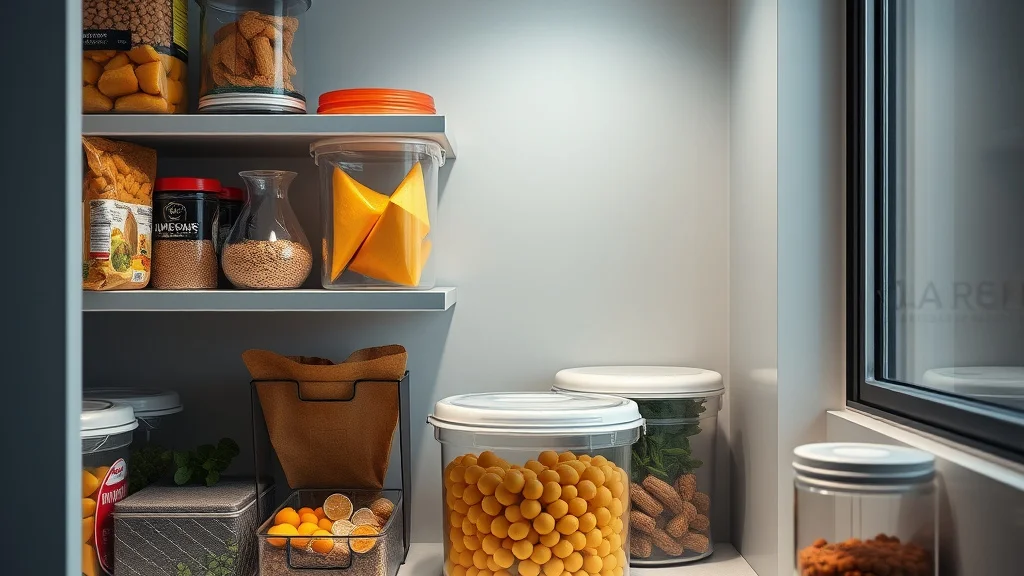
In the hustle and bustle of everyday life, efficiency is crucial, especially when it comes to the kitchen. One often overlooked area that can significantly enhance our productivity is the organization of food containers and their lids. When efficiently stored, these items can become pivotal in speeding up restocking processes, ultimately reducing the time spent on meal prep and minimizing stress. The chaos of mismatched lids and containers is a common pain point, but with some strategic organization, you can create an efficient lunch prep station that simplifies your daily routine. In this guide, we’ll explore key strategies and best practices to elevate your kitchen organization skills, focusing on what to store in food container and lid storage to expedite restocking.
Understanding Different Materials and Their Implications
Selecting the right material for your food containers is the foundational step towards better organization. The materials commonly used in food container manufacturing are plastic, glass, and stainless steel. Each has its unique advantages and disadvantages when it comes to organization and storage, thus impacting restocking efficiency.
- Plastic containers are lightweight and typically more affordable. They’re sturdy and resistant to shattering, making them a popular choice for households with children.
- Glass containers, although heavier, offer durability and ease of cleaning, and they do not retain odors or stains. These containers often present a classy, organized look.
- Stainless steel containers are lightweight yet durable, providing a sleek appearance. However, their opacity might make food identification more challenging.
Optimizing Container Shapes and Sizes
The shape and size of your containers can significantly affect how efficiently you can restock and organize your storage space. Identifying the right combination is key to optimizing your lunch prep station.
- Square and rectangular containers are ideal as they maximize storage space, allowing for neat stacking within your refrigerator or pantry.
- Round containers can be advantageous for foods that don’t stack well or require a deeper space.
- It’s beneficial to keep a variety of sizes on hand, ranging from small condiment containers to large ones for grain storage, to accommodate different food types and quantities.
Comparing Different Storage Options for Containers and Lids
Efficient storage solutions are vital for quick access to containers and their lids. Let’s compare two popular storage strategies.
| Storage Type | Advantages | Disadvantages |
|---|---|---|
| Drawer Systems | Easy access, can neatly organize lids and containers separately or together | Requires more space, potentially costly |
| Shelved Pantry Systems | Cost-effective, utilitarian for deeper cabinets | Lids may become easily misplaced, less aesthetically pleasing |
Efficient Labeling Techniques
Labeling your containers can save invaluable time during meal prep and restocking. It simplifies identifying contents at a glance and helps maintain organization consistency.
- Invest in a label maker or waterproof labels to ensure descriptions remain intact despite changing temperatures and moisture levels.
- Use color-coded lids or bands to quickly identify container sets that belong together.
- Include the date of storage on the label to keep track of food freshness and safety.
The Importance of Stackable Designs
Integrating stackable containers within your organization strategy can significantly optimize your pantry or fridge space, making restocking quicker and more efficient.
- Stackable containers help utilize vertical space, freeing up more room horizontally within storage areas.
- Consistency in size and shape across container sets enables seamless stacking and reduces chaos.
- Look for containers with interlocking bases or lids, which secure stacks and prevent spills or shifts.
Choosing the Right Size for the Right Content
Optimization involves using appropriately sized containers for different types of food to minimize waste of space and enhance restocking speed.
- Allocate small containers for spreads, sauces, and single portion meals.
- Medium-sized containers are perfect for storing leftovers or prepared components of a meal.
- Large containers are best reserved for bulkier items like grains or whole vegetables to lessen the clutter.
Utilizing Space Saving Accessories
Accessories can transform a chaotic storage setup into a well-organized system, optimizing the speed of the restocking process significantly.
- Lid organizers are excellent for maintaining easy access to compatible lids without rummaging.
- Expandable shelves can be inserted inside cabinets to maximize vertical space and separate container sizes.
- Lazy Susans bring out-of-reach containers to the forefront, facilitating quicker access.
Prioritizing Frequently Used Items
Arrange your storage in such a way that frequently used containers and lids are placed in easily accessible locations.
- Reserve front positioning for items you use daily or for popular leftovers.
- Seasonal items or rarely used containers can be placed in less accessible places.
- Consider an open storage system for regularly accessed containers for year-round efficiency.
Incorporating a Dedicated Cleaning Routine
Maintaining cleanliness in your food container storage area ensures that your organizational efforts are sustained over time and support rapid restocking.
- Regularly clean spills and residue in storage areas to avoid unpleasant odors and attract pests.
- Perform periodic audits of your containers to ensure they are stain-free and without lingering odors.
- Clear expired food items promptly, consistently maintaining an up-to-date inventory.
Developing a Restocking Strategy
A solid restocking plan brings predictability and efficiency to your kitchen routine, minimizing time spent and enhancing meal prep consistency.
- Plan weekly or bi-weekly inventory checks to anticipate shortfalls in storage space or containers.
- Integrate container restocking within your shopping routine, so you’re equipped when needed.
- Develop a running list of reserved meals with allocated container space to pre-empt storage capacities.
Frequently Asked Questions
How frequently should I audit my food container storage?
It’s beneficial to perform a quarterly audit to ensure all containers are in good condition and to eliminate any that are rarely used or damaged. Check prices on Amazon
What types of labels should I use for my containers?
Use waterproof and fade-resistant labels. Dry-erase or removable stickers work well for contents that change frequently.
Should I store lids separately from containers?
Storing lids separately in an organized lid holder can maximize space and simplify pairing during restocking.
Can I use different container materials interchangeably?
Yes, mixing materials like glass, plastic, and stainless steel can optimize your storage versatility, accommodating different needs.
How important are stackable containers for efficient storage?
Stackable containers are crucial as they allow more efficient use of vertical space, streamlining your storage area.
What’s the best way to store seasonal items?
Seasonal items should be stored in less accessible areas to free up priority space for daily-use items.
How often should I clean my storage systems?
A monthly cleaning routine helps maintain hygiene and organization, supporting quicker restocking.
Is a uniform system necessary for efficient organization?
Uniformity in sizes and shapes enhances stacking and accessibility, but some variation can help meet unique storage needs efficiently.
Final Thoughts
Creating an efficient and well-organized system for storing food containers and their lids is more than just a meticulous endeavor—it’s an investment in time-management and the enhancement of your daily kitchen experiences. Through careful selection of materials, strategic organization of shapes and sizes, intelligent labeling, and thoughtful integration of space-saving accessories, you can transform your kitchen into a realm of efficiency. Understanding each factor’s unique contribution to restocking speed fosters a more enjoyable and stress-free meal preparation process. By following the outlined guidelines, you stand to gain significant time savings and elevate the functionality of your kitchen space. Continuous refinement of this organization system will ensure it remains an asset within your home, creating harmony in a space where time and efficiency are prized.
