

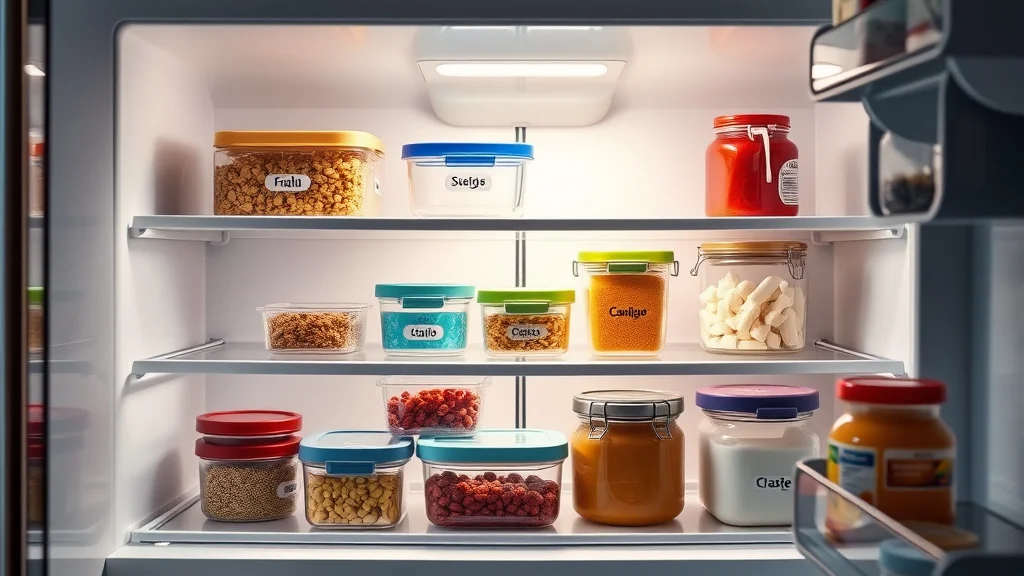
In an era where minimalist living and organized spaces are increasingly taking center stage, one area many people struggle to keep orderly is the kitchen, specifically the fridge. Food containers and their lids easily occupy valuable space, leading to significant clutter if not stored correctly. Establishing an effective food container and lid storage routine is crucial in labeling fridge zones efficiently. This routine does not only limit chaos but also promotes the longevity of food items and the ease of meal preparation. In this article, we will explore techniques and strategies to keep your food storage under control, offering transformative insights to help streamline your fridge organization.
Understanding the Importance of a Clutter-Free Fridge
Having an organized fridge is more than just an aesthetic choice; it is imperative for practical and health reasons. A cluttered refrigerator makes it challenging to track perishable items, increasing food waste. Accessibility is hindered, making meal prep time-consuming and inefficient. By implementing systematic food container storage, you ensure that every available inch of space serves a purpose, ultimately making your kitchen a harmonious and productive environment.
Essential Tips for Container and Lid Storage
To start, consider adopting basic storage principles that contribute to an organized fridge space. Organizing your containers with complementary lids is essential. Match each container with its corresponding lid before storage to prevent confusion. Store them together either by stacking or nesting. This ensures that they’re always accessible and in the right proportion when needed. This discipline also creates more strategic zones for various food types within your fridge.
Two Main Types of Food Containers
When selecting the type of containers to use, consider two primary options: glass and plastic containers. Each has its distinct advantages and limitations, and your preference will depend on factors like the type of food you’re storing, where you store it, and your lifestyle needs. Below is a table comparing the two:
| Aspect | Glass Containers | Plastic Containers |
|---|---|---|
| Durability | Highly durable, resistant to stains | Prone to wear and tear, can stain |
| Temperature Resistance | Good for both hot and cold storage | Generally not ideal for extreme temperatures |
| Cost | More expensive, considered a long-term investment | Less costly, more accessible |
| Health Concerns | No chemical leaching, safer for food storage | Potential chemical leaching, depending on quality |
Labeling Your Fridge Zones
Once your containers are selected, creating dedicated ‘zones’ within your fridge for different food categories is highly beneficial. Begin by labeling these zones using clear, waterproof labels. For instance, separate shelves or compartments within your fridge can be designated for dairy, fruits, vegetables, cooked meals, and condiments. Labeling will not only remind household members where items belong but also assist in conducting a quick inventory to prevent spoilage.
Stacking Techniques to Maximize Space
Stacking could be a game-changer when it comes to space management in your fridge. By utilizing stackable containers, you can easily maximize vertical space often wasted. Be cautious to place heavier ones at the bottom to prevent tipping. This way, the availability of every item, whether it’s ready-to-eat meals or fresh produce, remains conspicuously visible.
Nesting: A Viable Organizing Option
Nesting allows containers of varying sizes to fit into each other, requiring less space when empty. This method is particularly effective for those with a limited number of removable shelves. Keep the lids on top for easy access when you finally use or store the food. The advantage here is the ability to integrate the lids without them taking extra space.
Maintenance: Routine Cleaning and Organizing
To maintain an organized system, schedule regular cleaning and audits of your fridge. Once a week, review contents for expired items, ensuring that old foodstuffs do not occupy space needed for freshly purchased groceries. Wiping shelves and containers with a gentle cleanser keeps the environment healthy and prevents contamination.
The Role of Technology in Organization
For tech-savvy individuals, incorporating technology in your organization routine can add an edge to your system. Smart labels with QR codes, inventory tracking apps, or even smart fridges with built-in screens can keep better account of your contents, updating you on expiry dates and more. Embrace these innovations to have your fridge organization at your fingertips.
Eco-Friendly Storage Considerations
While choosing containers, consider eco-friendly options. Glass containers are recyclable and generally safer for the environment compared to plastic ones. They might have a higher upfront cost but save money and the planet in the long run. Additionally, consider reusable beeswax wraps as an alternative for storing perishables.
Custom Organization Solutions
Each household is different; thus, your storage solutions should reflect individual needs and preferences. Consider custom storage options like adjustable shelves, unique zone labels for specific dietary requirements, and alternative containers that fit your lifestyle. Tailored strategies ensure optimal efficiency in maintaining order and preparing meals seamlessly. Check prices on Amazon
Budget-Friendly Ways to Optimize Storage
Not all storage solutions require a hefty budget. Purchasing second-hand or clearance containers, re-purposing existing kitchen items, and using shelving units are cost-effective. Store-bought containers aren’t mandatory; for example, mason jars serve as excellent storage at an affordable rate.
Frequently Asked Questions
How do I prevent container clutter?
Regularly sort and pair your containers with their lids. Stack or nest them logically, and limit the container types to essentials with varying sizes for flexibility.
Is it safe to use glass containers in the fridge?
Yes, glass containers are excellent for the fridge due to their durability and resistance to odor or staining, making them perfect for repeated use.
What’s the best way to clean food containers?
Use mild dish soap and warm water for cleaning. For stubborn stains or odors, vinegar or baking soda can be employed.
Can plastic containers be toxic?
Some plastic containers may leach chemicals, especially when exposed to heat or wear. Look for BPA-free containers to avoid toxicity concerns.
How often should I re-evaluate my fridge organization?
It’s advisable to revisit your organization strategy every three to six months or when life changes require different storage needs.
Do I need separate lids for each container type?
To facilitate a more versatile system, consider using universal lids designed to fit multiple container types, reducing clutter.
What can I use to label fridge zones effectively?
Waterproof labels, erasable chalk labels, and even simple masking tape with permanent markers can effectively label fridge zones.
How can I prevent odors in my food containers?
Ensure containers are air-tight and store pungent items separately. Using baking soda or activated charcoal in containers can also help neutralize odors.
Final Thoughts
A clutter-free fridge not only promotes a healthier lifestyle but also inserts a sense of control and efficiency into daily nutritional routines. By implementing the aforementioned practices, including selecting suitable containers, dedicated labeling, maintaining cleanliness, and customizing your organization approach, you achieve an elegantly managed kitchen ecosystem. These insights should inspire coherent strategies to reimagine how your fridge functions, endorsing efficiency, cleanliness, and sustainability in the heart of your home.
