
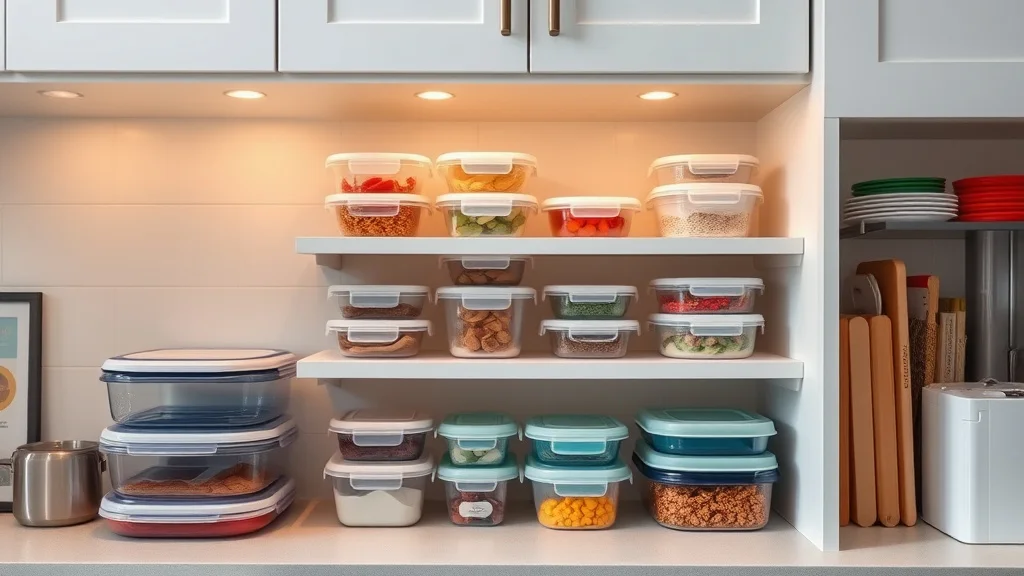
In the hustle and bustle of our daily lives, efficiency in meal preparation can make a world of difference. A well-organized lunch prep station not only streamlines the morning rush but also ensures that one’s nutrition is not compromised for convenience. One critical aspect of organizing a lunch prep station involves selecting the right food container and lid storage solutions. Proper storage enhances visibility and accessibility, making meal prep a breeze. This article delves into choosing the ideal container and lid storage systems, offering a thorough exploration of options, tips, and practices that maximize efficiency and minimize frustration.
Understanding Your Needs
Before delving into the choices, it’s crucial to evaluate your specific needs. Consider the types of meals you prepare most often, as well as the shelf space and storage room you have available.
- Determine the volume of food prepper meals. Larger family meals may require bulkier containers.
- Take stock of available storage space. Whether in shelves or a dedicated cabinet changes your choice strategy.
- Think about the materials best suited for your containers, such as glass, plastic, or metal.
Key Features to Consider
When choosing food containers and lids, certain features stand out as essential. These features can significantly affect the convenience they offer and the simplicity of organization.
- Durability: Containers and lids need to withstand daily use and frequent washing.
- Stackability: Opt for designs that allow for easy stacking when storing unused containers or after they’ve been washed.
- Ease of Access: Integrate pull-out baskets or see-through holders for a better view of stored lids and containers.
Comparing Storage Solutions
There are various ways to store containers and lids, but two primary solutions often stand out. Each option has its unique strengths and weaknesses, which we’ll explore in the table below.
| Storage Solution | Flexibility | Pros | Cons |
|---|---|---|---|
| Integrated Drawer Organizers | High | Space-saving, customizable slots, aesthetic appeal | Higher cost, require permanent adjustment to cabinetry |
| Standalone Lid Racks | Moderate | Easy installation, economic, suitable for various lids | Limited by the dimensions of available space, less sturdy |
Selecting the Right Type of Containers
Your container choice plays a pivotal role in meal prep efficiency. A well-chosen set of containers can save time and space.
- Material: Favor glass containers for their safety in microwaves and ovens, and plastic for lightweight travel-friendly use.
- Size Variety: Ensure you have a range of sizes to suit different meal components from small snacks to full meals.
- Interlocking Lids: Opt for lids that interlock with the container to prevent spills and improve storage stacking.
Lid Storage: Strategies and Tips
Effective lid storage prevents clutter, enhancing the overall organization of your meal prep station.
- Categorization: Store lids based on size and type for easy identification.
- Utilize Vertical Space: Use vertical dividers or magazine racks for a space-efficient storage array.
- Transparent Options: Favor clear storage options to readily identify contents at a glance.
Organization Tools and Accessories
Several accessories can assist in keeping your prep station and storage system tidy and efficient.
- Drawer Inserts: Customizable organizers that fit specific container sizes.
- Lazy Susans: Use these spinning trays for easy access to multiple containers.
- Pull-out Shelves: Consider retrofitting cabinets with pull-out mounted shelves for better usability.
Labeling for Enhanced Visibility
Labels facilitate quick identification, ensuring you never waste time searching for the right container or lid.
- Simple Label Makers: Help create consistent and easy-to-read labels that withstand washing and daily use.
- Color-coded Labels: Use colors to categorize foods, e.g., green for veggies, red for meats, enhancing sorting speed.
- Removable Options: For dynamism, opt for easily removable and rewritable labels to accommodate changing contents.
Eco-friendly Considerations
As environmental impact becomes more of a priority, choosing eco-friendly storage solutions plays a critical role.
- Recycled Materials: Opt for containers made from recycled or sustainable materials.
- Reusability Focus: Prioritize solutions that replace single-use plastics, reducing overall waste.
- Composting Option: For more permanent disposables, choose products that are compostable.
Budget-Friendly Options
Organizing your lunch prep station doesn’t have to break the bank. Here are ways to maintain budget without sacrificing efficiency.
- DIY Solutions: Utilize common household items such as cardboard or unused files to create dividers or racks.
- Bargain Stores: Often carry storage solutions at a fraction of the cost of speciality items.
- Repurpose: Consider repurposing old jars or containers, reducing the need to purchase new items.
Common Mistakes to Avoid
Even with the best intentions, organizing can go awry. Keep an eye out for these common errors.
- Overcrowding: Resist storing too many containers in a small space, leading to chaos.
- Ignoring Access Needs: Make sure containers are easy to reach and in a logical order for meal prep.
- Neglecting Maintenance: Maintenance is key, regularly clean and declutter to maintain the system.
Maintaining the System
Once you’ve established an organization system, maintaining it is crucial for long-lasting efficiency.
- Regular Cleaning: Schedule routine checks to wipe down containers and internal spaces.
- Annual Audits: Perform yearly reviews to ensure no outdated containers linger.
- Adopt Feedback: Listen to users of the system for continual improvement ideas.
Frequently Asked Questions
How can I prevent lids from getting lost?
Utilize storage solutions like stackable lids organizers or drawer insert compartments to keep lids secured and in one place.
What materials should I avoid?
Avoid containers with limited flexibility such as those that are prone to staining or do not seal properly, as these hinder efficiency. Check prices on Amazon
Are eco-friendly containers more expensive?
While initial costs may be higher, eco-friendly options often come with added durability and longevity, offering better value over time.
What’s the best way to store bulky items?
For large items, use open shelves or large bins. Opt for stackable solutions to maximize vertical space usage.
Can I mix different brands of containers?
Yes, but ensure lid compatibility and storage uniformity. Mixing brands might complicate storage solutions designed for specific products.
How do I choose the right size container for my needs?
Consider the variety of meals you prepare. Start with a set offering multiple sizes to accommodate snacks, entrees, and desserts.
What’s the best way to tackle a cluttered prep station?
Start with decluttering by removing unnecessary items, then introduce a structured storage solution, prioritizing visibility and accessibility.
How often should I reassess my storage system?
Reassess your storage system any time you notice inefficiencies or when there’s a significant change in how you prep meals.
Final Thoughts
Efficient organization of your lunch prep station, starting with the right choice of food container and lid storage, can drastically improve meal prep visibility and ease. By assessing your specific needs, choosing appropriate solutions, and maintaining an organized space, you’ll find your kitchen becomes a hub of cleanliness and efficiency. Tailor each component of your system to fit your household’s lifestyle, creating a personal system that meets your demands and enhances your meals, day after day.
