

Introduction
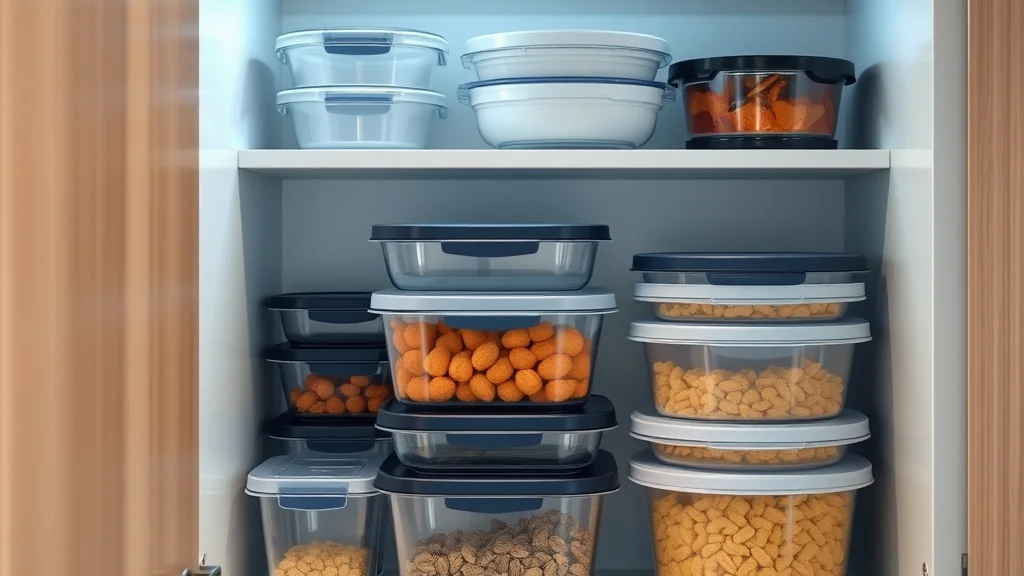
Small kitchens often pose a challenge when it comes to organizing food storage containers. Their sheer number and the variety make them difficult to store efficiently without monopolizing valuable cabinet space. With limited room to maneuver, a systematic approach to storing food containers and lids becomes essential. This guide seeks to illuminate various strategies and tools to transform your kitchen into a well-organized space, offering increased accessibility and usability. Whether you’re looking to maximize cabinet space or simply want a clutter-free environment, we provide a comprehensive look at available solutions for effective food container storage.
Understanding Your Needs
The first step in organizing your kitchen is understanding the specific needs associated with your container storage. Not all containers are created equal, and their variety in sizes and shapes can add complexity. Consider how frequently you use these containers, what types of food you store, and how often they need to be cleaned. This understanding informs the organization strategy that best suits your lifestyle.
- Assess the sizes and shapes of your containers.
- Determine the frequency of use and storage needs.
- Identify problem areas or a lack of space in your cabinets.
Choosing the Right Storage Solutions
When space is at a premium, choosing the right storage solutions is a game changer. Kitchen manufacturers have responded to the demand for space-maximizing solutions with a variety of products designed specifically for container storage. Options range from adjustable shelves to pull-out racks that make accessing your containers and lids easier.
- Consider adjustable shelving to maximize space.
- Pull-out racks can help improve accessibility.
- Use stacking systems to keep containers organized.
Comparison of Storage Options
| Feature | Adjustable Shelves | Pull-out Racks |
|---|---|---|
| Space Utilization | High, if tailored correctly | Optimal for accessibility |
| Cost | Moderate | Relatively higher |
| Installation | Moderate difficulty | Professional installation recommended |
| Suitability for Small Spaces | Good, customizable | Excellent, if fit well |
Utilizing Vertical Space
In small kitchens, vertical space often goes underexploited. Leveraging the height of our cabinets for container storage can free up essential lower cabinets for other necessities. Consider stackable storage bins or tiered racks to make the best use of space while keeping your kitchen organized and accessible.
- Stackable bins can keep lids and containers separated yet compact.
- Tiered racks increase storage without expanding your footprint.
- Wall-mounted organizers can also aid in utilizing vertical space efficiently.
Sorting and Grouping Containers
Effectively grouping and sorting containers can significantly reduce the headache of organizing your kitchen. Begin by grouping like containers together by size and shape. This simple step not only makes it easier to find a match but also saves space when stacking.
- Sort containers by size and usage frequency.
- Keep groups together in labeled bins for easy access.
- Use dividers to separate different groups within a single cabinet.
Labeling Systems
Labels can transform the way you interact with your kitchen space. Even in small kitchens where visibility is limited, a labeling system provides quick access to the right items. Besides practical benefits, labeling can perpetuate an aesthetic appeal and contribute to a sense of order and control over your kitchen environment.
- Use clear and precise labels for easy identification.
- Apply labels on both containers and storage bins.
- Consider color-coding for easier categorization.
Integrating Technology and Gadgets
The modern kitchen benefits greatly from technological advances, and container storage is no exception. Consider incorporating smart gadgets into your organization strategy. Gadgets such as attachable shelf lights or automated pull-out racks offer bright, eye-level storage areas and reduce the hassle associated with manual searching.
- LED lights can illuminate storage areas for better access.
- Automated racks optimize accessibility and ergonomics.
- Smart tags can also help locate items or keep inventory.
Repurposing Household Items
Creative solutions often stem from the simple act of repurposing items already available at home. Certain household items can be adapted for use in container organization without requiring additional purchases. The following ideas not only make storage more efficient but also promote sustainability.
- Use magazine holders as makeshift bins for lids.
- Employ dish racks for drying and storing containers vertically.
- Repurpose spice racks as lid holders.
Maintaining Organization
While achieving a well-organized kitchen is a commendable goal, maintaining that organization requires ongoing effort and planning. Regular cleaning, periodic decluttering, and adherence to the established system can sustain a clutter-free experience, enabling the kitchen to support the hustles and bustles of daily meal prep efficiently.
- Regularly review and adjust your storage strategy as needed.
- Periodically remove broken or unused containers.
- Consistently return items to their designated spots.
Custom Storage Solutions
For those who want a more tailored approach, custom storage solutions might be the answer. Custom-built systems are designed to fit specific kitchens perfectly and maximize every inch of available space. While they come at a higher cost, they provide a unique opportunity for personalization and efficiency that’s hard to beat. Check prices on Amazon
- Consult with a professional for design ideas.
- Incorporate adjustable, customizable elements.
- Optimize both lower and upper cabinet spaces.
Frequently Asked Questions
What is the best way to organize food container lids?
The best way to organize lids is by using lid organizers or stackable bin systems. These solutions help keep lids neat and easy to access.
How can I maximize cabinet space in a small kitchen?
Maximize cabinet space by utilizing vertical space, opting for pull-out racks, and implementing stacking or tiered storage systems.
Are there specific containers recommended for small kitchens?
In small kitchens, consider nesting containers that can stack within another to conserve space. Select uniform sizes for easier stacking.
What are pull-out racks, and how do they help?
Pull-out racks are systems that allow you to slide shelves out of a cabinet, providing easier access to the items stored in the back.
Can I use technology in container storage?
Yes, technology such as LED lights and smart tags can assist in keeping your storage organized and accessible.
How often should I reorganize my kitchen cabinets?
Reorganizing every few months or when seasons change is a good routine to ensure your storage strategy remains effective and clutter free.
What if space is limited even after organizing?
If space is limited, consider seeking professional solutions for custom cabinets designed to maximize minimal space.
Are there eco-friendly storage options available?
Yes, opt for bamboo or recycled plastic storage systems as they offer sustainability while providing quality storage solutions.
Final Thoughts
Organizing food containers and their accompanying lids in small kitchen cabinets is an achievable goal with the right tools and strategies. By assessing your specific needs, exploring storage options, and maintaining organization through vigilant upkeep, even the smallest of kitchens can become a hub of efficiency and order. Implementing these insights will undoubtedly reduce clutter, and stress, and make meal preparation a more pleasant experience.
