

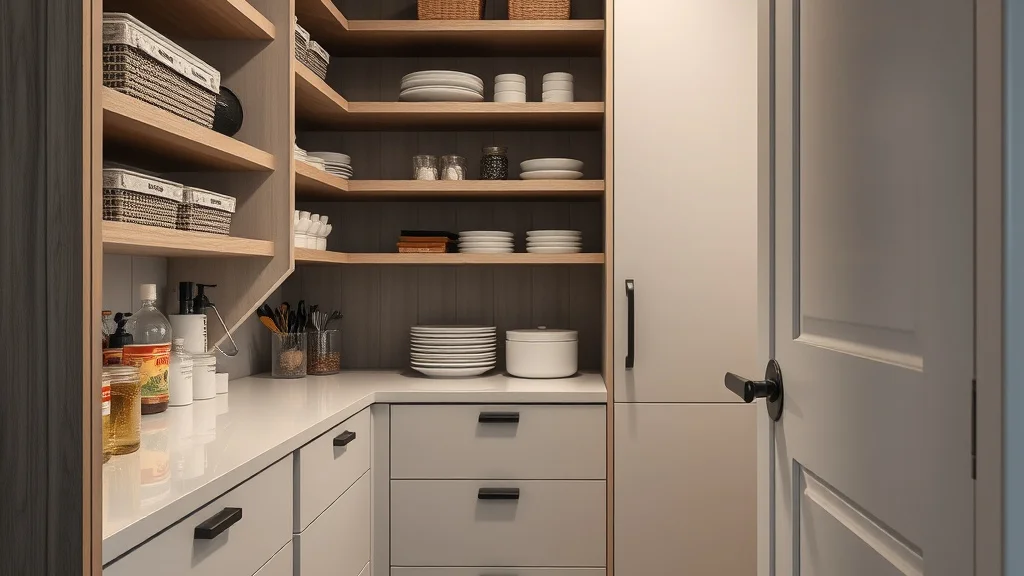
In the realm of home organization, the pantry holds a crucial place. It’s more than just a storage space for food items; it’s a sanctuary for ingredients that enable culinary creation. However, without proper organization, it can quickly become chaotic and inefficient. With the right storage solutions, you can transform your pantry into a functional and visually appealing space that makes meal prep easier and life more convenient. This article will explore the essentials of pantry storage, offer comparisons between various options, and provide expert tips to maximize your pantry space effectively.
Understanding Your Pantry Needs
The first step to creating a well-organized pantry is understanding your unique needs. Take time to evaluate the kind of items you store most frequently. Are you a baker with an array of flours and sugars? Or perhaps you prefer canned goods and grains? Identifying your usage patterns will help you determine which storage solutions are right for you. Consider the frequency with which you access certain items; frequently used items should be easily accessible.
Types of Pantry Storage Solutions
Storage solutions for pantries vary broadly to cater to different needs and preferences. Generally, they can be classified into two main types: modular systems and freestanding units. Modular systems are customizable and fit perfectly into the available space, allowing for a tailored approach to storage. Freestanding units, on the other hand, offer flexibility and easy reconfiguration.
Benefits and Drawbacks of Each Storage Type
| Feature | Modular Systems | Freestanding Units |
|---|---|---|
| Customization | Highly customizable | Limited customization |
| Flexibility | Lesser flexibility | Highly flexible |
| Space Utilization | Optimizes available space | More space-consuming |
| Cost | Typically higher | Generally more affordable |
| Installation | Professional installation needed | Easy to setup |
Choosing the Right Containers
Once you have the structural elements sorted, the next step is choosing the right containers. Airtight containers keep items fresher for longer and prevent pests from entering. Consider using clear containers for dry goods like rice, pasta, and cereals to easily monitor your stock levels. For smaller items, like spices or candies, stackable bins or turntable spice racks help to maintain order.
Labeling and Organization
A good labeling system is indispensable for maintaining an organized pantry. Labels prevent confusion and help everyone in the household quickly find what they need. Use waterproof labels and a permanent marker or a label maker for clear readability. Consider categorizing items as per use-cooking, baking, snacks, or cleaning supplies.
Maximizing Shelf Space
Shelf organization can greatly impact the functionality of your pantry. Consider adjustable shelves for versatile storage that can adapt to varying sizes of containers. Using shelf risers or wire rack shelves can help double the available storage space on existing shelves, especially for shorter items.
Utilizing Pantry Doors
The often-overlooked pantry door can be a valuable asset for storing small items. Door-mounted organizers or hooks can hold spices, wraps, and other frequently used items. This not only frees up shelf space but also keeps these items within easy reach.
Incorporating Pull-Out Drawers
Installing pull-out drawers in your pantry can greatly enhance accessibility. These drawers allow you to see and reach items at the back easily, reducing the chance of things getting lost and eventually going to waste. They work exceptionally well for heavier items or appliances that benefit from easy access.
Dedicated Zones for Better Management
Organizing your pantry into dedicated zones can simplify navigation and management. Allocate specific areas for different categories such as baking supplies, canned goods, snacks, and breakfast items. This makes it easier for everyone to find what they need quickly.
Making Use of Vertical Space
In many homes, vertical space is underutilized. Extend your shelving or incorporate hanging racks to take advantage of the vertical dimensions of your pantry. Tall pantry units can house long-term storage items or those not frequently used, making full use of the available space.
Lighting Solutions for Pantries
Proper lighting can transform how you use and enjoy your pantry. Motion-sensor lights offer illumination when you need it without the hassle of switches, perfect for pantries where natural light is scarce. LED strip lights under shelves can also provide great visibility, ensuring you are aware of all the items you have. Check prices on Amazon
Maintaining Pantry Organization
Achieving pantry organization is only half the battle; maintaining it is where the challenge lies. Regularly revisiting your storage systems, conducting quick inventories, and adjusting your strategies as your needs evolve can sustain the organized state of your pantry. Implement a rule that whatever is taken out must be put back in its right place.
Prioritizing Safety in the Pantry
While organization is important, safety should not be overlooked. Ensure heavier items are stored on lower shelves to prevent accidents. Use child-proof locking mechanisms if you have young children and store cleaning supplies or other hazardous materials securely.
Frequently Asked Questions
What is the best way to start organizing my pantry?
Start by emptying everything out, discard expired items, and clean the shelves. Then group items into categories before deciding on the storage solutions that best fit your space and needs.
How often should I reorganize my pantry?
A good rule of thumb is to reorganize your pantry every six months. This routine helps keep things in order and allows you to declutter and reassess your storage needs as they change.
Are pull-out drawers necessary for a small pantry?
While not a necessity, pull-out drawers can maximize your space and accessibility, especially in small pantries where deep shelves can hide items at the back.
Should I invest in a custom pantry system?
If you have specific needs and a budget to accommodate it, a custom pantry system can be a worthwhile investment for maximizing space and efficiency.
Can I organize my pantry on a budget?
Absolutely! Affordable solutions like plastic bins, shelf risers, and DIY labeling can cohesively organize your pantry without breaking the bank.
What about pantries with very limited space?
Focus on vertical storage solutions and use clear bins to make better use of the space. Door-mounted racks and wall hooks can also add valuable storage.
How can I prevent pests in my pantry?
Use airtight containers, especially for dry goods. Regular cleaning and maintaining an organized space can deter pests from settling in your pantry.
Do color-coordinated containers make a difference?
While color-coordinated containers aren’t necessary, they can create a visually pleasing and streamlined look that may motivate regular organization.
Final Thoughts
Organizing a pantry might seem like a daunting task, but with the right knowledge and tools, it can be an enjoyable and rewarding project. Using effective storage solutions, understanding your needs, and maintaining an organized system can transform even the most chaotic pantry into a model of efficiency and accessibility. Whether opting for modular systems or freestanding units, the key is consistency and adaptability to your lifestyle. Equip yourself with these expert tips and watch as your pantry effortlessly blossoms into both a functional and beautiful space.
