

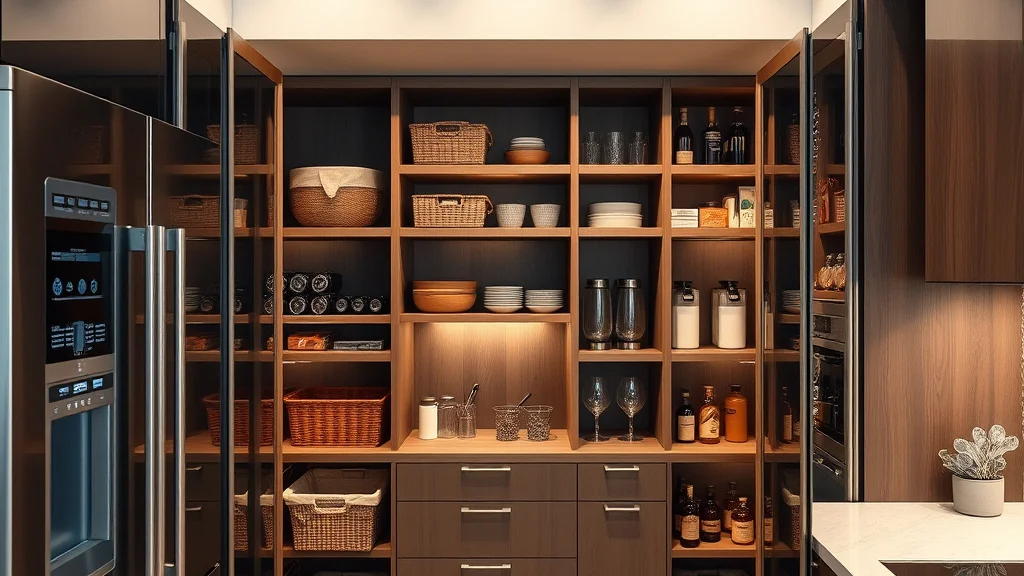
The kitchen pantry is an essential part of any home, serving as a central hub for food storage and organization. Whether you’re a professional chef or a home cook, an efficient pantry can streamline your kitchen routine and save you time and effort. However, achieving an organized pantry can be challenging, especially with varying sizes and styles of kitchens. This article will delve into the myriad of ways you can optimize storage for your kitchen pantry, from selecting the right containers to incorporating innovative solutions. We’ll examine different types of pantry storage options, tools, and organizing techniques to facilitate a clutter-free and efficient kitchen environment.
Understanding Your Pantry Space
Before diving into specific storage solutions, it’s essential to assess your pantry space. Consider the dimensions and layout of your pantry, including the depth, height, and width of shelves, as well as the overall storage capacity. Evaluate what you currently store in your pantry, such as canned goods, grains, baking supplies, and snacks, and how often you use them. By understanding the physical constraints and functional requirements, you can better plan your storage strategy.
Optimizing Shelf Space
Shelf space is a fundamental aspect of pantry organization. Maximize the efficiency of your shelves by using adjustable shelving systems that allow you to configure the space according to your needs. Expandable shelf dividers can also help by keeping items neatly separated while utilizing vertical space. Consider incorporating stackable bins or baskets to keep smaller items organized and easily accessible. For deep shelves, try using tiered shelf organizers to prevent items from getting lost at the back.
Containers for Efficient Storage
Choosing the right containers is crucial for effective pantry storage. Airtight containers are ideal for keeping pantry staples like flour, sugar, and pasta fresh and free from pests. Consider using clear containers, which allow you to quickly see the contents, saving you time during meal preparation. Labels are also essential; they ensure that items are returned to the correct spot and make it easy to identify content at a glance. Invest in a label maker or use chalkboard labels for a customizable solution.
Types of Pantry Storage Solutions
Depending on your pantry’s size and your personal needs, you may choose between built-in and freestanding pantry storage solutions. Built-in solutions, like custom shelving or cabinetry, offer a permanent, space-efficient way to store your items. Freestanding solutions, conversely, provide flexibility and can be modified or moved as needed.
| Feature | Built-in Solutions | Freestanding Solutions |
|---|---|---|
| Flexibility | Permanent | Adjustable/Mobile |
| Cost | Typically Higher | Varies |
| Installation | Professional | DIY |
Decluttering for a Functional Pantry
Decluttering is vital for maintaining a functional pantry. Regularly assess your pantry’s contents and remove expired or seldom-used items. When adding new groceries, implement the first in, first out method, placing new items behind older ones to ensure everything is used within its best-by date. Organize your pantry by grouping similar items together—for example, keep all baking supplies on one shelf and snacks on another. This arrangement not only saves time but also makes your pantry more visually appealing.
Maximizing Small Pantry Storage
Small pantries can benefit from creative storage solutions, such as using the back of the door for additional storage. Install over-the-door racks or hooks to hang lightweight items like snacks or cleaning supplies. Consider utilizing narrow or sliding shelves to make the most of limited space. Magnetic strips on walls or inside cabinet doors can hold metal lids or spice jars, freeing up shelf space. Make use of corners with rotating trays or Lazy Susans to ensure every inch is utilized efficiently.
Innovative Storage Ideas
Innovative storage solutions can transform your pantry and make everyday tasks easier. Invest in pull-out shelves or baskets that allow you to access items stored at the back of deep shelves easily. For instance, installing a pull-out spice rack saves space and keeps your seasonings within reach. Lazy Susans are also versatile tools that provide easy access to condiments, jars, and bottles, preventing them from getting stuck in hard-to-reach areas.
Budget-Friendly Pantry Organization
Organizing your pantry doesn’t have to be expensive. Start by repurposing containers you already have, such as glass jars or plastic bins. Dollar stores often have affordable bins and baskets suitable for pantry storage. Creating DIY labels can also be cost-effective; you can use masking tape and a permanent marker or printable labels to organize your items. By making small investments, you can achieve a well-organized pantry without breaking the bank.
Eco-Friendly Pantry Organization
For eco-conscious individuals, there are sustainable ways to organize a pantry. Opt for glass or metal containers, which are more sustainable and can be reused indefinitely. Incorporate bamboo or wooden organizers, known for their durability and biodegradability. Minimize the purchase of plastic by choosing bulk buying options, reducing single-use packaging. Composting is another way to reduce food waste from expired items. Check prices on Amazon
Maintaining Your Pantry Organization
While achieving an organized pantry is a significant step, maintaining it is equally important. Set aside time each month to evaluate the pantry’s contents and organization system. Consider involving other family members to ensure everyone uses the pantry as intended and respects the system in place. Keeping a running inventory using an app or a simple pen and paper method can alert you when items are low, ensuring a consistent restock and reducing waste.
Frequently Asked Questions
How can I maximize space in a small pantry?
Utilize the vertical space with stackable bins and consider over-the-door racks. Lazy Susans in the corners and narrow shelving can also be beneficial.
What are the benefits of using clear containers?
Clear containers allow you to see the contents at a glance, making it easier to know what you have and what you need to restock.
How often should I declutter my pantry?
It’s recommended to declutter your pantry every three to six months to keep it organized and ensure items are within their expiration dates.
What type of labels work best for pantry organization?
Chalkboard labels are versatile and reusable, while a label maker can provide a professional look. The key is consistency and readability.
Can pantry organization help reduce food waste?
Yes, by maintaining an organized pantry, you can quickly assess your inventory, reducing over-purchasing and ensuring older items are used first.
Are built-in or freestanding storage solutions better for a pantry?
Both have their advantages; built-in solutions offer a tailored fit, while freestanding solutions provide flexibility to adapt to changing needs.
How can I store pantry items without plastic?
Opt for glass containers, metal tins, or fabric storage bags. Many bulk stores allow you to refill these types of containers, reducing plastic use.
What should I do with expired pantry items?
Check if any items can be composted. For non-compostable items, dispose of them responsibly. Ensure to regularly check expiration dates to minimize waste.
Final Thoughts
Creating an organized and efficient kitchen pantry is a rewarding endeavor that can enhance your cooking experience and streamline your daily routine. By understanding your space, selecting the right storage solutions, and maintaining an organized system, you can enjoy a functional pantry that caters to your culinary needs. Whether you prefer built-in solutions or freestanding options, there are numerous strategies to maximize your pantry space effectively. Through regular decluttering, innovative storage ideas, and an eco-friendly approach, your kitchen pantry can become a showcase of efficiency and sustainability. Start your pantry transformation today, and savor the benefits of a well-ordered kitchen space.
