
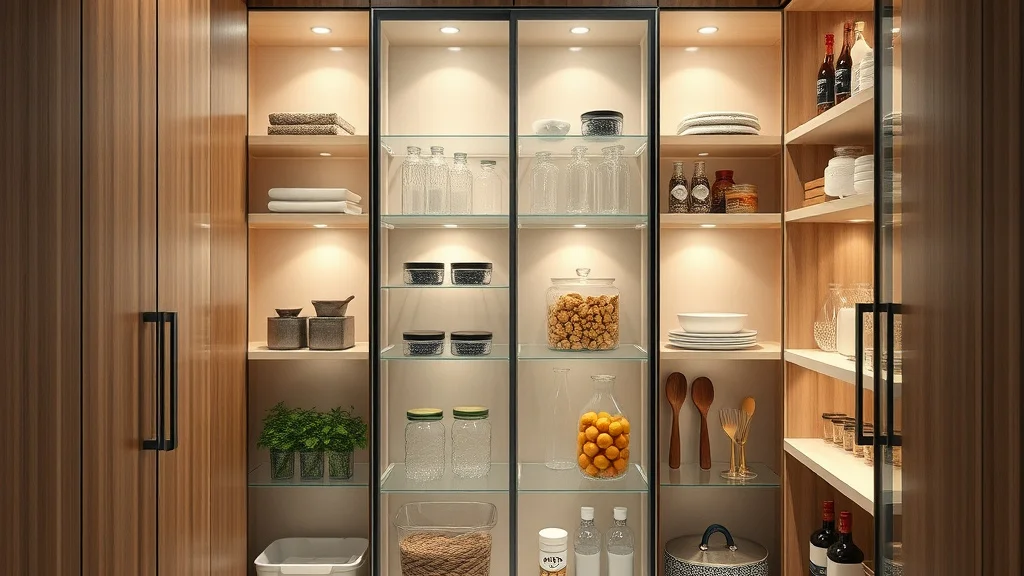
In recent years, the push toward sustainability and effective organization has made pantry storage glass increasingly popular. Not only does glass storage offer a visually appealing and organized look, but it is also beneficial for health and environmental reasons. In this comprehensive guide, we’ll explore everything you need to know about pantry storage glass. From understanding the advantages to choosing the right type of glass containers, and how to maintain them for optimal efficiency, every aspect is covered to ensure you get the most out of your pantry organization.
The Benefits of Using Glass for Pantry Storage
Glass containers are a favorite for many when it comes to pantry storage, and for good reasons. First and foremost, glass is non-toxic and free from chemicals like BPA, commonly found in plastics. This makes glass a safer choice for storing food items. Additionally, glass does not absorb scents or colors from foods, ensuring that the original taste and aroma of your ingredients remain intact. Its transparency is another perk, as it allows for easy identification of contents, making pantry management more efficient and visually appealing.
Choosing Between Types of Glass Storage
When selecting glass containers for your pantry, you primarily focus on two types: tempered glass and regular glass. Tempered glass is known for its enhanced durability and can withstand drastic temperature changes, making it ideal for kitchens. On the other hand, regular glass containers come varied in style and are typically less expensive, offering more budget-friendly options. Each type serves distinct purposes and selecting between them depends largely on your storage needs and lifestyle.
Glass Containers vs. Plastic Containers
Many people face the dilemma of choosing between glass and plastic for their pantry storage. Let’s compare the two options:
| Criteria | Glass Containers | Plastic Containers |
|---|---|---|
| Durability | Durable, but can break if mishandled | Less durable; prone to warping |
| Health | Non-toxic, BPA-free | May contain BPA |
| Transparency | Fully transparent | Transparent or opaque |
| Cleaning | Easy to clean, dishwasher safe | Can retain odors and stains |
| Cost | More expensive upfront | Generally cheaper |
Organizing Your Pantry with Glass Containers
An organized pantry is a functional pantry. Glass containers play a key role in achieving this goal due to their clarity and uniformity in shape. To maximize pantry efficiency, start by categorizing food items and deciding on appropriate container sizes. Use larger containers for bulkier items like pasta or grains and smaller containers for spices or nuts. Align containers neatly in rows or use tiered shelving to better utilize vertical space.
Maintaining Glass Pantry Containers
To keep your glass containers in top shape, proper maintenance is crucial. Regularly check for chips or cracks and replace any damaged items. Always clean containers thoroughly before refilling them and allow them to dry completely to avoid any moisture buildup, which can affect food quality. Storing the containers with the lids off once every few months can also help in preventing any unwanted odors.
Eco-Friendly Aspects of Glass Storage
Glass is one of the most eco-friendly materials available for pantry storage. It is 100% recyclable without any loss of quality or purity. By choosing glass, you’re playing a part in reducing plastic waste and contributing to a more sustainable environment. Furthermore, glass’s long lifespan means less frequent replacement costs and reduced environmental impact over time.
Style and Aesthetics of Glass at Home
The aesthetics of glass containers can greatly elevate the look of any pantry. Their clear design allows you to create a cohesive and cleanly organized space that is not only functional but also visually pleasing. Consider incorporating an array of container shapes and sizes to add dimension and interest. Labeling is another stylistic component that enhances the neatness and functionality of your pantry setup.
Caring for Glass Container Lids
While the glass itself is important, the lid is equally vital for maintaining the freshness of stored foods. Most glass containers come with airtight sealing lids made of silicone or BPA-free plastics. To ensure the longevity of these lids, avoid placing them in direct sunlight or high-heat areas, which may cause warping. Regularly wash them with warm soapy water and periodically check for wear and tear.
Troubleshooting Common Issues with Glass Pantry Storage
While glass containers are versatile and durable, some issues might arise. Potential problems include glass breaking, lids not sealing properly, or difficulty removing stains/residual odors. To prevent breakage, handle glassware with care, especially on hard surfaces. For sealing issues, ensure lids are cleaned regularly and properly aligned when sealing. Additionally, a mixture of baking soda and vinegar can effectively handle stubborn stains or odors. Check prices on Amazon
Budgeting for Glass Pantry Storage
Investing in glass pantry storage may seem costly upfront, but it’s important to look at it as a long-term investment. Glass’s durability and reusability can save money over time, as it eliminates the need for frequent replacements. Consider purchasing glass sets to take advantage of bulk discounts and gradually expand your collection to spread costs over time.
Frequently Asked Questions
Are glass pantry containers microwave-safe?
Yes, most glass containers are microwave-safe. However, always check the manufacturer’s guidelines to be sure.
Do glass containers need specific cleaning agents?
Generally, a simple mix of warm water and dish soap is sufficient for cleaning. Baking soda can be used for tougher stains.
Can glass pantry storage be used in the freezer?
Tempered glass containers typically hold up well in freezers, but ensure they are rated for freezer use before storing.
Is it safe to put hot food directly into a glass container?
If using tempered glass, it’s generally safe, but allow the container to cool gradually to avoid sudden temperature changes.
How can I prevent my glass containers from breaking?
Handle them with care, avoid stapling or clashing against hard surfaces, and store properly on stable shelves.
What types of lids are best for glass pantry storage?
Airtight lids made of silicone or BPA-free plastic are highly recommended to maintain freshness.
Are there any foods that should not be stored in glass?
Glass is versatile, yet acidic foods should not be stored long term without adequate protection (like a quality lid) to prevent reactions.
How can I label glass pantry containers effectively?
Use waterproof labels or marker pens for clear visibility and durability, facilitating easy content identification.
Final Thoughts
Incorporating glass containers into your pantry not only enhances organization but also adds an environmentally conscious element to your home. From their non-toxic composition to their potential for long-term economic savings and aesthetic appeal, glass offers numerous advantages for pantry storage. While the initial investment might be higher than other materials, their durability and aesthetic appeal often justify the cost. As you explore options and implement these practices, you’re likely to find glass pantry storage an indispensable aspect of your home organization strategy.
