
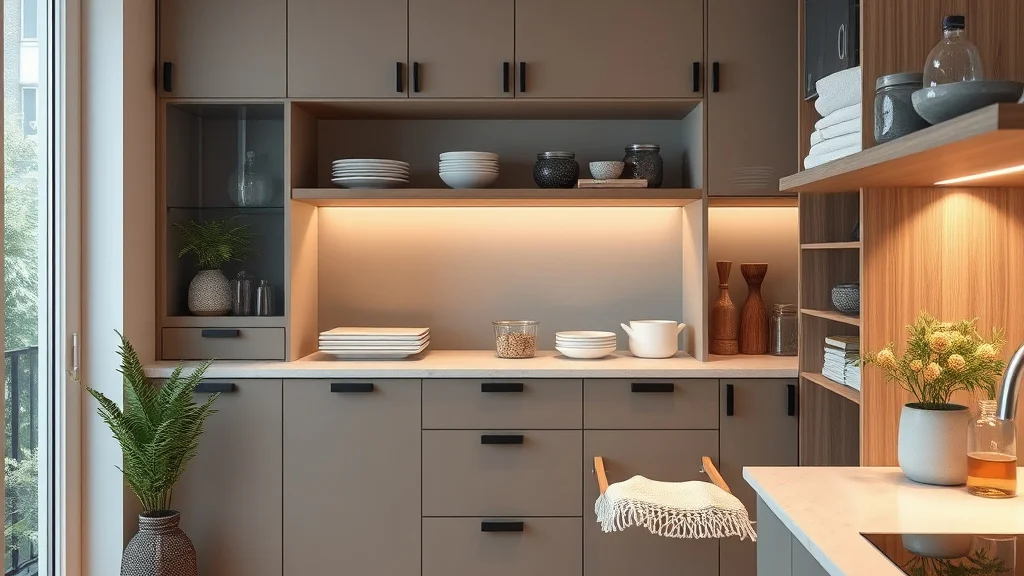
In today’s busy world, maintaining an organized kitchen can be a significant challenge. With the multitude of ingredients, snacks, and cooking supplies, it’s easy for pantry shelves to become cluttered and chaotic. This is where pantry storage boxes come into play, offering a practical solution for keeping items neatly arranged and easily accessible. Whether you’re cooking for a large family or just organizing your personal space, the right storage boxes can transform your pantry from a disorganized mess into a model of efficiency. In this article, we will explore everything you need to know about pantry storage boxes, helping you make informed decisions for your kitchen organization needs.
Understanding Pantry Storage Boxes
Pantry storage boxes are essential tools for organizing kitchen spaces. These are containers designed to store various food items and dry goods. They come in multiple sizes and materials, allowing you to choose according to your specific needs. Understanding the types of storage boxes available and their features can make a significant difference in maximizing your pantry space and maintaining hygiene.
Types of Pantry Storage Boxes
There are two primary types of pantry storage boxes: plastic storage boxes and glass storage boxes. Each comes with its own set of advantages and disadvantages. While plastic storage boxes are lightweight and durable, glass storage boxes offer aesthetics and non-reactivity with food items. Deciding between the two depends on your personal preferences and pantry requirements.
Benefits of Using Pantry Storage Boxes
Pantry storage boxes offer numerous benefits, including:
- Optimized space utilization by stacking.
- Enhancing the visual appeal of your pantry.
- Protecting food from pests and moisture.
- Facilitating easy access and inventory management.
- Extending the shelf life of perishable items.
Plastic vs. Glass Storage Boxes: A Comparison
| Feature | Plastic Storage Boxes | Glass Storage Boxes |
|---|---|---|
| Durability | High impact resistance | Less impact resistance |
| Weight | Lightweight | Heavier |
| Aesthetics | Functional design | Sleek and modern |
| Food Safety | BPA-free options available | Non-reactive |
| Price | Generally less expensive | Generally more expensive |
Materials Used in Pantry Storage Boxes
When choosing pantry storage boxes, understanding the materials used is crucial. Common materials include:
- Plastic: Used for its durability and lightweight nature.
- Glass: Selected for its clear visibility and non-reactivity.
- Metal: Sometimes used for lids and decorative purposes.
- Wood: Occasionally used for rustic-themed pantries for aesthetic purposes.
Capacity and Sizing Considerations
Understanding the capacity and sizing of pantry storage boxes is essential for ensuring they fit your kitchen needs. It’s important to measure your pantry space before purchasing, considering aspects such as height, width, and depth of shelves. Ranging from small boxes to large bins, select according to your storage requirements. Additionally, consider the types of items you plan to store, such as cereals, snacks, or baking supplies.
Features to Look for in Pantry Storage Boxes
When selecting pantry storage boxes, consider the following features:
- Stackability: Ensures maximum vertical space use.
- Clarity: Transparent containers help in identifying contents easily.
- Airtight Seals: Protects food from moisture and pests.
- Ease of Cleaning: Containers should be easy to wash and dry, with dishwasher-safe options for convenience.
- Label-Friendly: Consider options with smooth surfaces that allow for easy labeling.
Brands and Quality Considerations
Choosing a reputable brand ensures the quality of your pantry storage boxes. Brands like OXO, Rubbermaid, and Glasslock are known for their durable and user-friendly products. Researching customer reviews and expert opinions can provide additional insight into the performance and longevity of different brands. Additionally, quality considerations like the strength of the materials and the reliability of seals can affect long-term satisfaction.
How to Organize Your Pantry with Storage Boxes
An organized pantry not only looks delightful but also increases efficiency. Here are steps you can follow:
- Step 1: Clear out your pantry completely.
- Step 2: Group similar items together (e.g., baking supplies, snacks).
- Step 3: Use storage boxes for each group based on size and frequency of use.
- Step 4: Label each box clearly.
- Step 5: Continue maintaining order by placing items back in their designated boxes after each use.
Maintaining Hygiene with Pantry Storage Boxes
Keeping your pantry boxes clean is critical for ensuring food safety. Regular cleaning prevents the build-up of dust and pest infestation. Wash containers periodically with mild soap and warm water, especially after each refill or when changing the type of food stored. Avoid harsh chemicals that could affect food taste and safety. Additionally, check food expiry dates regularly and dispose of expired items promptly. Check prices on Amazon
Eco-Friendly Options for Pantry Storage
Incorporating eco-friendly pantry storage options is a responsible choice. Consider:
- Recycled Materials: Choose storage boxes made from recycled plastics.
- Biodegradable Options: Some brands offer containers made from biodegradable materials.
- Reusable Bags: Use alongside hard storage for irregularly shaped items.
- Glass Over Plastic: Opt for glass storage where possible for reduced chemical waste.
Frequently Asked Questions
Can pantry storage boxes be used in the freezer?
Yes, many plastic and glass storage boxes are freezer-safe. However, it is essential to check manufacturer specifications for temperature limits.
Are glass storage boxes better than plastic?
It depends on your needs. Glass offers more non-reactivity with food, while plastic is lightweight and generally shatter-resistant.
How can I ensure my pantry boxes remain airtight?
Purchase boxes with secure lids and regularly check seals for wear and tear to maintain their airtight properties.
How do I prevent mold in my storage boxes?
Ensure boxes are thoroughly cleaned and dried before use. Also, store boxes in a cool, dry place to prevent mold growth.
What size storage box should I get?
Size selection depends on your pantry dimensions and types of food you plan to store. Opt for sizes that efficiently utilize your shelf space.
Do I need to label my pantry boxes?
While not a necessity, labeling greatly enhances organization and retrieval efficiency, especially in large pantries.
Are there stackable storage box options?
Yes, many brands offer stackable storage boxes designed to save space and optimize storage capabilities within a pantry.
Can I store liquids in pantry storage boxes?
Some storage boxes are designed to hold liquids, but it’s crucial to confirm that the boxes are leak-proof before use.
Final Thoughts
Choosing the right pantry storage boxes can revolutionize the way you organize your kitchen space. With varied options available, from plastic to glass and sustainable choices, your selection should align with both your practical needs and environmental values. Well-chosen storage solutions not only enhance aesthetics but also maintain food safety and extend shelf life. With the guide above, making informed decisions will no longer be a daunting task, ensuring your pantry is both functional and appealing.
