
In today’s fast-paced world, maintaining an organized kitchen pantry can significantly streamline your cooking and meal preparation processes. Kitchen pantry storage bins have become essential in maximizing space, keeping items accessible, and maintaining an orderly environment. With various options available in the market, choosing the right storage bins can be overwhelming. This article delves into the intricacies of kitchen pantry storage bins, exploring their benefits, types, materials, and expert tips for optimal use. Whether you are aiming to declutter your kitchen, enhance accessibility, or simply want aesthetic storage solutions, this guide will serve as your comprehensive resource.
The Importance of Organization in the Kitchen
In any kitchen, space efficiency and organization are crucial elements that contribute to a smooth culinary experience. With ingredients, snacks, and cooking supplies often spilling out of cabinets, a chaotic pantry can make meal preparation stressful and time-consuming. Organizing your pantry with storage bins not only saves time by making things easier to find, but it also helps prevent food waste. Expired products are more likely to go unnoticed in a disorganized space. Therefore, investing in the right kitchen pantry storage bins is key to achieving both functional and aesthetic excellence in your kitchen.
Diverse Styles of Pantry Storage Bins
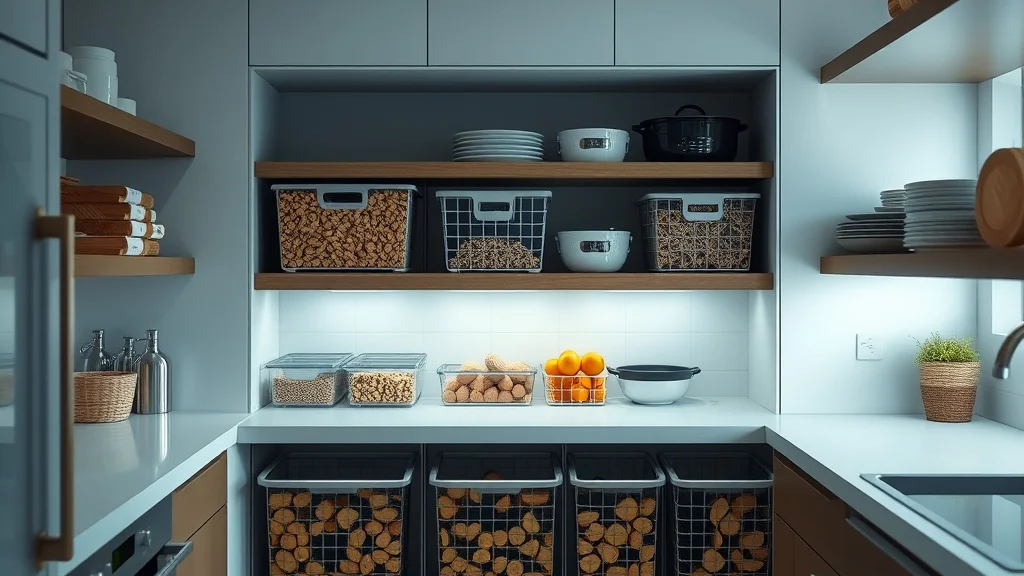
There exists a plethora of kitchen pantry storage bin styles that cater to different purposes and aesthetic preferences. Some of the prevalent styles include:
- Stackable Bins: Ideal for maximizing vertical space. They allow easy access to items without entire rearrangements.
- Clear Bins: Enhance visibility, making it easier to identify contents without opening each container.
- Wire Bins: Often used for fresh produce, as they allow for ventilation.
- Drawer Bins: Offer a sliding mechanism to access items easily, suitable for deep cabinets.
Choosing the right style largely depends on your pantry’s configuration and your organizational needs.
Materials Used in Pantry Storage Bins
When selecting pantry storage bins, material composition is a critical factor. Here are the most common materials:
- Plastic: Lightweight, durable, and often transparent, making it a popular choice. It’s also easy to clean.
- Glass: Offers a non-reactive option suitable for food storage; however, it’s heavier and more fragile.
- Metal: Provides a sleek look and longevity, ideal for dry goods but not suitable for liquids.
- Wood: Adds an aesthetic, rustic touch but might require additional care to prevent moisture-related issues.
Your choice of material might depend on the type of food items you plan to store, your budget, and your style preferences.
Comparison of Storage Bin Options
| Feature | Plastic Storage Bins | Glass Storage Bins |
|---|---|---|
| Price | Affordable | Moderate to high |
| Durability | High | Moderate |
| Visibility | High | High |
| Weight | Lightweight | Heavy |
| Maintenance | Easy | Moderate |
Cost Considerations and Budgeting
When planning to organize your pantry, it’s essential to consider your budget for storage bins. The cost can vary significantly based on the material, brand, and features. While plastic bins are generally more affordable, glass bins can be a more substantial investment due to their aesthetic appeal and durability. Additionally, specialty bins with features like airtight seals or modular designs may come at a higher cost. Establishing a clear budget beforehand can help you make informed decisions that align with both your financial constraints and organizational goals.
Customizability and Modular Systems
For those who desire a personalized touch in their kitchen organization, customizability is key. Many manufacturers offer modular systems that allow you to build and adjust according to your pantry space. These systems typically include adjustable dividers, stackable units, and expandable options, granting flexibility in storage configurations. By selecting customizable solutions, you can tailor your storage bins to fit your pantry’s dimensions and accommodate specific items, ensuring optimal use of the available space. It’s a perfect approach for those with unique or irregularly shaped pantries.
Maximizing Vertical Pantry Space
One of the most effective ways to enhance pantry organization is by utilizing vertical space. This strategy helps in reducing clutter and maximizes storage capacity. Stackable bins, tiered shelves, and ladder-style racks can be instrumental in harnessing vertical space. By placing rarely used items on higher shelves and everyday essentials at eye level, you can create a more accessible and efficient pantry. Moreover, using bins with handles can make retrieving stored items from high shelves easier, preventing unnecessary strain or accidents.
Labeling and Inventory Management
Labeling is an underrated but powerful tool in maintaining an organized pantry. Not only does it help identify contents at a glance, but it also assists in inventory management by indicating expiration dates. Consider investing in a label maker or using chalkboard labels for flexibility. Implementing a system for regularly checking labels can ensure that you’re using up food items before they expire, reducing waste and enhancing efficiency. By integrating labeling into your storage strategy, you create a seamless pantry experience that supports effective meal planning.
Aesthetics and Interior Design
Beyond functionality, the aesthetics of your pantry can play a significant role in the overall design of your kitchen. Coordinating the color and style of your storage bins with your kitchen’s decor can enhance visual appeal and create a cohesive look. Clear or frosted bins offer a minimalist charm, while wood or metal options may cater to a rustic or industrial theme. When choosing bins, consider not just their practicality but also how they complement the existing aesthetic of your home. Check prices on Amazon
Sustainability and Eco-Friendly Options
As environmental consciousness grows, sustainable pantry solutions are gaining popularity. Eco-friendly storage bins crafted from recycled materials or biodegradable substances like bamboo appeal to those looking to reduce their environmental footprint. While these options might be slightly more expensive, they offer a way to organize your pantry while contributing positively to environmental conservation. By selecting sustainable options, you not only enhance your pantry’s organization but also support broader ecological efforts.
Safety Considerations for Food Storage
When using kitchen storage bins, food safety is paramount. It’s essential to ensure that bins are made of food-grade materials that won’t leach chemicals or odors into stored items. Airtight seals are crucial for preserving the freshness of dry goods and preventing pest invasions. Furthermore, ensuring that bins are easy to clean and dishwasher-safe can help maintain hygiene standards, preventing contamination and ensuring a healthy kitchen environment. By prioritizing safety, you protect both your stored items and your family’s health.
Frequently Asked Questions
How do I choose the right size for my pantry storage bins?
Assess your pantry dimensions and consider what items you need to store. Selecting a mix of different sizes can cater to diverse storage needs.
Are glass storage bins better than plastic?
Glass offers a more aesthetic appeal and is non-reactive, while plastic is lighter and often more economical. The best choice depends on your specific needs and preferences.
How can I prevent my pantry from looking cluttered?
Use uniform storage bins to create a cohesive look and label them for easy access and inventory management. A balance of open space and filled areas can enhance visual order.
Can storage bins help extend the shelf life of products?
Yes, airtight bins keep items fresh longer by protecting them from environmental elements like moisture and air.
What are some eco-friendly storage bin options?
Consider materials like bamboo or bins made from recycled plastic. They are sustainable and help reduce your kitchen’s environmental impact.
Should I invest in stackable bins?
Stackable bins are beneficial for maximizing vertical space and accommodating more items in a limited area. They are a wise investment for smaller kitchens.
How often should I reorganize my pantry?
A seasonal check and reorganization are usually sufficient unless you notice clutter or find it difficult to locate items.
What material is the easiest to clean?
Plastic bins are generally easier to clean and maintain compared to other materials, such as wood or metal.
Final Thoughts
In conclusion, kitchen pantry storage bins offer a myriad of benefits ranging from enhanced organization to improved aesthetics and increased food safety. By understanding the types, materials, and strategic use of these bins, you can transform your pantry into a well-organized space that supports efficient meal preparation and contributes to an overall pleasing kitchen environment. Whether you prioritize function, design, or sustainability, there’s a perfect storage solution waiting to elevate your culinary experience. Take the time to evaluate your needs, explore the options, and enjoy the benefits of a meticulously curated pantry.
