
In today’s fast-paced world, maintaining an organized pantry not only helps in efficient meal preparation but also ensures that you minimize food wastage. Containers are pivotal in achieving this organization, offering both functionality and aesthetics. However, choosing the right type of pantry storage containers can be daunting given the wide variety of options. This guide aims to demystify pantry storage solutions, helping you make informed decisions for your kitchen organization needs.
Understanding the Importance of Pantry Storage Containers
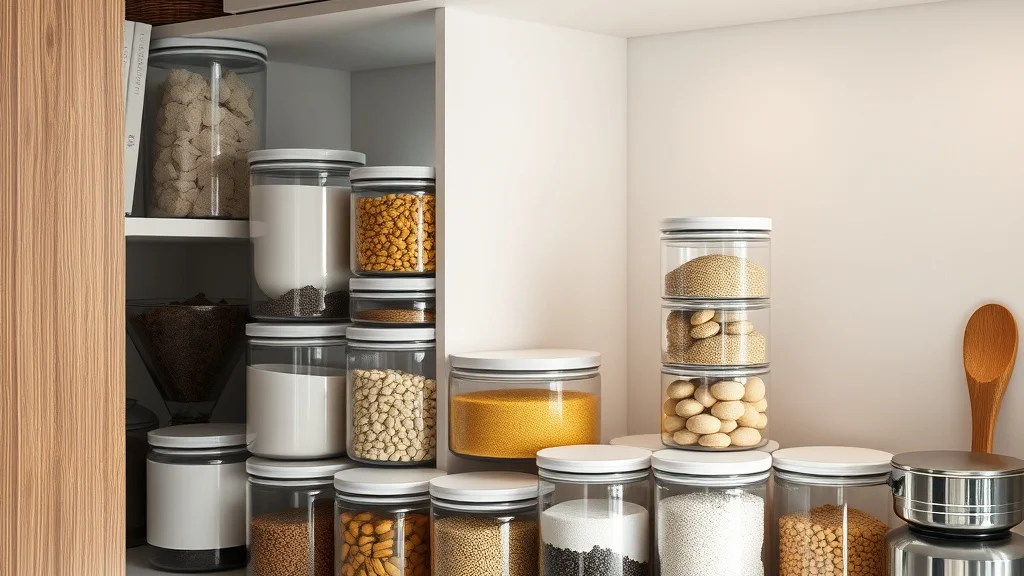
Pantry storage containers serve multiple purposes – from keeping food fresh to creating a clutter-free environment. They help you easily identify contents, streamline cooking processes, and promote a healthier lifestyle by making nutritious options more accessible.
- Preservation: Proper sealing techniques keep perishables fresh for longer.
- Organization: Easily stackable containers save space and help categorize contents.
- Aesthetic Value: Uniform containers offer a pleasing visual effect.
Materials Used in Storage Containers
The material of pantry storage containers plays a significant role in preserving food while enhancing usability. Common materials include plastic, glass, metal, and ceramic.
- Plastic: Lightweight and affordable, plastic containers come in a variety of shapes and sizes.
- Glass: Glass is stain-resistant and does not retain odors, offering durability and an eco-friendly option.
- Metal: Generally used for dry storage, metallic containers provide a more industrial look.
- Ceramic: Ceramic is ideal for preserving flavors but is fragile and mostly suited for decorative purposes.
Types of Pantry Storage Containers
When selecting pantry containers, understanding the different types available will help you in achieving both functionality and aesthetic appeal.
- Airtight Containers: Perfect for keeping food fresh, reducing oxidation and moisture exposure.
- Stackable Containers: Designed to save space and maximize storage capabilities.
- Transparent Containers: Allow for easy content identification.
| Type | Pros | Cons |
|---|---|---|
| Airtight Containers | Keep food fresh longer, prevent spills | Usually more expensive |
| Stackable Containers | Space-efficient, versatile | Contents may not be instantly visible |
Choosing the Right Size Containers
Size is an important consideration when selecting storage containers, as it affects both storage capacity and kitchen aesthetics.
- Small: Ideal for spices, nuts, and snacks. They fit into tighter spaces and can be easily moved when needed.
- Medium: Best suited for grains, pulses, and dry snacks. They offer a balance between space and capacity.
- Large: Used for storing bulk items like flour and sugar. Consider their placement as they require more storage space.
Accessibility and Usability Features
Usability and accessibility are crucial elements for choosing pantry storage containers, ensuring ease of use during cooking.
- Easy-grip lids: Facilitate smooth opening and closure, ideal for quick use.
- Measurement Marks: Built-in measurements allow for easy portion control.
- Labeling Options: Comes with or allows for easy labeling to quickly identify contents.
Sustainability Considerations
Eco-conscious consumers may want to opt for storage solutions that contribute to sustainability while reducing waste.
- Recyclable Materials: Containers made of recycled or recyclable materials help diminish environmental impact.
- Durability and Reusability: High-quality materials ensure longevity and reduce the need for frequent replacements.
The Role of Design in Pantry Containers
Design elements not only offer functional benefits but contribute to the aesthetic appeal of your pantry.
- Minimalist Design: Focuses on simplicity and usability, creating an uncluttered look.
- Color Coding: Differently colored containers help in quick identification of contained items.
Brands to Consider
Several reputable brands offer high-quality pantry storage solutions, combining functionality with style.
- OXO: Renowned for its airtight seals and stackable options, offering both functionality and aesthetic appeal.
- Rubbermaid: Provides a durable, budget-friendly option that is suitable for a variety of food storage needs.
Maintenance and Cleaning
Proper maintenance and cleaning practices extend the longevity of pantry storage containers and ensure they remain hygienic.
- Cleaning Materials: Use mild dish soap and non-abrasive cleaning materials to prevent scratching.
- Regular Checks: Periodically inspect the seals and condition of the containers to ensure they continue to work effectively.
Setting Up Your Pantry
Once you’ve chosen your containers, organizing your pantry is the next step toward complete kitchen efficiency.
- Categorize: Group similar items together for easier access and organization.
- Frequent Items: Place items you use regularly at the front.
Frequently Asked Questions
Why should I use containers instead of keeping original packaging?
Using containers helps in maintaining freshness, preventing pest infestations, and minimizing pantry clutter by making use of stackable options for efficiency. Check prices on Amazon
Are glass containers better than plastic?
Glass containers are generally considered better for health and environmental reasons, as they don’t leach chemicals into food and are recyclable. However, plastic offers flexible and lightweight solutions.
How do I ensure an airtight seal?
To ensure an airtight seal, check that the lid fits tightly around the container without gaps. Snap lids and silicone seals also contribute to effective sealing.
Can I use these containers in the freezer?
Most glass and some specially designed plastic containers can be used in the freezer. Always check the product specifications for freezer compatibility.
How do I label my containers?
You can use removable labels or erasable markers to label your containers, allowing you to change labels as often as needed without leaving residue.
What container sizes should I start with?
Start with a mix of small, medium, and large containers based on the types of food you store. This variety will ensure that you can accommodate a wide range of pantry items.
How often should I empty and clean the containers?
It’s recommended to empty and clean containers during your pantry audits or at least every few months to ensure hygiene and freshness.
What are the best practices for storing containers when not in use?
Nestable containers provide compact storage solutions when not in use. Keep lids and containers paired to save time and hassle when you need them.
Final Thoughts
A well-organized pantry contributes significantly to a functional, efficient kitchen. Choosing the right storage containers can greatly enhance your culinary experience, making meal preparation faster and more enjoyable while also promoting sustainability. Evaluate your specific needs, preferences, and lifestyle to find the perfect fit for your pantry organization journey. Remember, the ultimate goal is to create a space that encourages healthy habits and reduces waste, all while keeping your kitchen aesthetically pleasing and clutter-free.
