

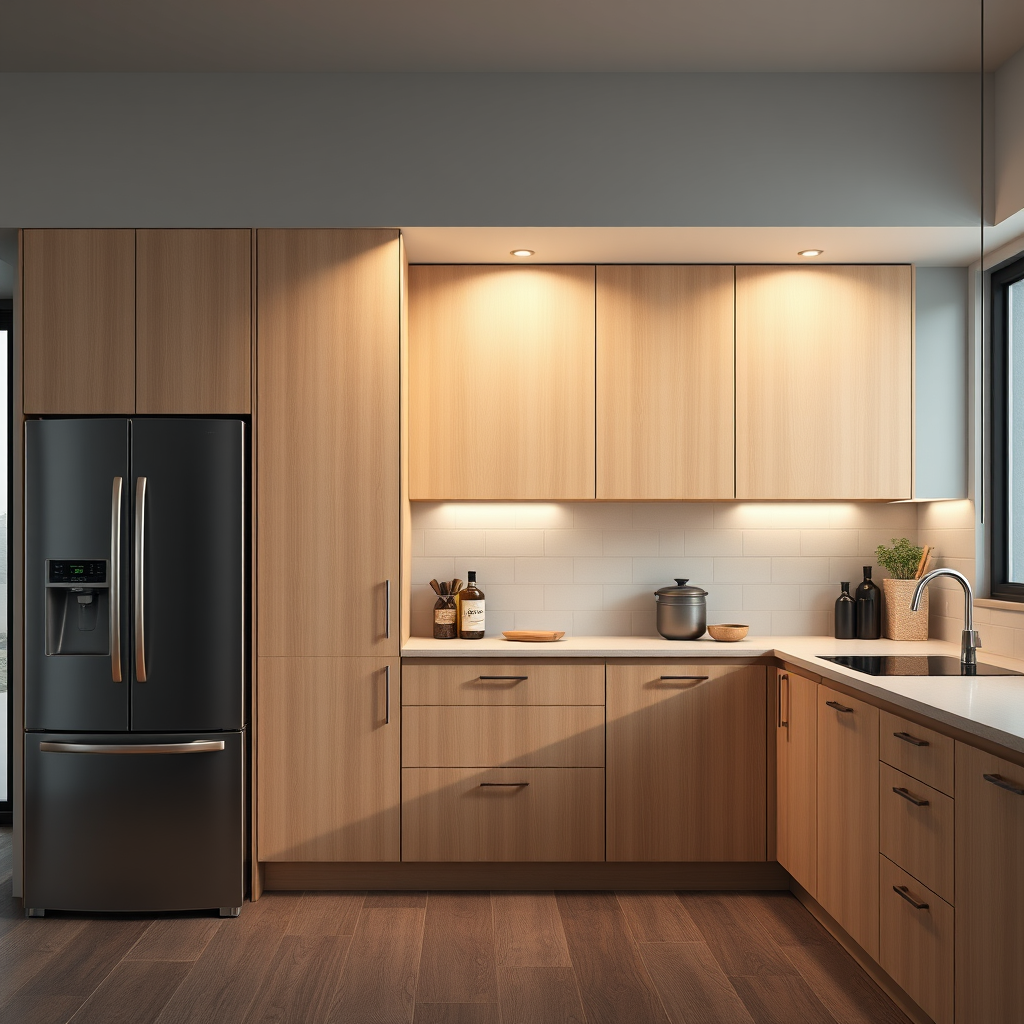
Kitchen storage cabinets are the backbone of an efficient and organized kitchen. Without the proper organization system in place, everyday kitchen items can quickly become a source of frustration rather than joy. Whether you are a culinary enthusiast or someone who simply enjoys a clutter-free space, understanding how to effectively utilize your kitchen cabinets can transform your cooking space from chaotic to streamlined. In this guide, we will explore strategies for organizing everyday kitchen items within your cabinets, the benefits of different storage types, and how you can customize these solutions to fit your kitchen’s unique needs. Let’s dive into a world where reaching for a pot doesn’t involve a game of Jenga with your kitchenware.
Understanding Your Kitchen Storage Needs
Before diving into the specifics of kitchen cabinet organization, it is essential to understand your personal kitchen storage needs. This varies depending largely on how you use your kitchen and the types of items you stock. Do you have a passion for baking that requires a variety of baking sheets and pans? Or do you need space for a large collection of spices and sauces? Identifying your everyday kitchen items will guide your storage solutions, ensuring everything has a designated spot, making it easier to maintain an organized space.
Cabinet Types: Base vs Wall Cabinets
The two primary types of kitchen cabinets you’ll deal with are base cabinets and wall cabinets. Base cabinets are the lower cabinets that sit on the floor, generally underneath the counter. They are typically larger and can store heavier items like pots, pans, and large serving dishes. Wall cabinets, on the other hand, are mounted on the wall, and because they are more accessible, they are ideal for lighter items such as dishes, cups, and glasses. Understanding the difference between these two will help in making strategic decisions about item placement within your kitchen space.
Cabinet Organization Systems
Kitchen organization systems are crucial for maintaining order and maximizing cabinet space. Common systems include pull-out shelves, lazy Susans, and tiered racks. Pull-out shelves allow you to access items at the back of the cabinet without having to remove items stored in front. Lazy Susans provide an elegant solution for corner cabinets, making those once-unreachable back items accessible with a simple spin. Tiered racks can be used in both base and wall cabinets to store canned goods and spices, ensuring that everything is visible and easy to reach.
| Feature | Base Cabinets | Wall Cabinets |
|---|---|---|
| Location | Below the countertop | Above the countertop |
| Best for | Heavy, large items | Lighter, frequently used items |
| Accessibility | Requires bending | Eye-level access |
| Customization | Pull-out shelves, corner solutions | Adjustable shelves, additional hooks |
Optimizing Space with Pull-Out Shelves
Pull-out shelves are a game-changer for base cabinet organization. They allow you to use the full depth of your cabinets without the hassle of moving items in and out. Installing these shelves is often straightforward and can be done with minimal tools and DIY skills. These shelves bring items to you, reducing the risk of injury from bending or stooping and making it easy to see and access everything stored. Consider using pull-out shelves for heavy pots, pans, and even small kitchen appliances.
Using Vertical Space with Adjustable Shelves
Adjustable shelves can transform how you utilize your wall cabinets. By changing the height of shelves, you can accommodate various item sizes, whether it’s tall cereal boxes or short stackable mugs. Prioritizing the use of adjustable shelves helps you maximize every inch of your kitchen cabinets. They can be customised for everything from the spice rack with perfectly spaced rows to shelve for glassware and dishes. This adaptability means you can change the layout as your storage needs evolve over time.
Incorporating Lazy Susans for Corner Storage
Lazy Susans are particularly useful in corner cabinets, areas often underutilized or completely overlooked due to their awkward accessibility. By installing a lazy Susan, you can make the deep recesses of these cabinets functional. With a simple spin, this rotating tray allows items at the back of the cabinet to rotate to the front, granting easy access. This is especially handy for storing bottled condiments, kitchen appliances, and even packaging supplies. Consider using tiered lazy Susans for maximizing vertical and horizontal space simultaneously.
Maximizing Wall Cabinet Efficiency
Wall cabinets are ideal for storing the items you reach for most frequently. Since they are usually at eye level, it makes sense to store coffee cups, plates, and everyday glassware here. To enhance organization and efficiency, consider installing under-cabinet hooks for coffee mugs or additional racks beneath the existing shelving for saucers. Such systems not only utilize empty space but also keep frequently used items easy to reach, which is key in maintaining a smooth workflow during cooking.
Clever Storage Solutions for Small Kitchens
Small kitchen spaces pose unique storage challenges, which require creative solutions. Leveraging the vertical wall space with open shelving can provide additional storage without encroaching on valuable square footage. Rolling cart cabinets offer another innovative solution, acting as both storage and mobile island or countertop space when needed. Using cabinet door space with adhesive hooks or rack systems can turn a seemingly void area into an efficient part of your kitchen’s organization strategy.
Integrating Technology in Cabinet Systems
With advances in technology, smart kitchen storage solutions are becoming more popular. Modern cabinets now come equipped with built-in charging stations and smart lighting systems. These features can be particularly beneficial, offering both convenience and efficiency. LED lighting inside cabinets helps to illuminate darker spaces, making it easier to locate items without having to remove others. Smart shelving solutions, including sensors that notify you when you’re running low on certain items, can streamline the cooking and grocery planning processes.
Cabinet Maintenance Tips
Keeping your cabinets clean and maintaining them is as important as organizing them. Routine maintenance ensures that they not only last longer but continue to function efficiently. Regularly wipe down surfaces to prevent the buildup of grease and dust. Check hinges and drawer slides for wear and tear to ensure everything operates smoothly. Periodically decluttering the cabinets by removing expired or unneeded items can help maintain an organized and functional space. Check prices on Amazon
Eco-Friendly Cabinet Solutions
Incorporating eco-friendly solutions into your kitchen cabinetry can contribute to a sustainable lifestyle. Opting for cabinets made with sustainable materials like bamboo or reclaimed wood can enhance your kitchen’s environmental profile. Additionally, using non-toxic paints and finishes when refurbishing cabinets can reduce harmful pollutants in your home. Compost bins integrated into pull-out drawer systems can facilitate eco-friendly waste management right from the kitchen.
Frequently Asked Questions
What is the best way to organize kitchen cabinets to maximize space?
Utilizing vertical space with tiered racks, pull-out shelves, and under-cabinet hooks can maximize your storage. Group items by function and frequency of use to maintain an efficient setup.
How do I decide what items go in base versus wall cabinets?
Base cabinets are ideal for heavy, bulky items like pots and pans, while wall cabinets should store lighter, frequently accessed items like dishes and glasses.
What is a lazy Susan and where can it best be used?
A lazy Susan is a rotating tray that can be particularly useful in corner cabinets to make stored items easily accessible.
How often should I reorganize my kitchen cabinets?
Regularly evaluate your kitchen’s workflow and adjust the setup as needed. A general rule of thumb is to do a major reorganization every six months or after any significant change in how you use your kitchen.
Are there cost-effective ways to upgrade my existing cabinets?
Yes, adding pull-out shelves or installing under-cabinet lighting are budget-friendly upgrades that can greatly enhance functionality and accessibility.
How can I incorporate technology into my kitchen cabinets?
Consider installing smart lighting for better visibility or using smart shelving solutions with sensors to alert you when pantry items are running low.
What materials are best for sustainable kitchen cabinets?
Bamboo and reclaimed wood are excellent sustainable material choices, offering durability and an eco-friendly profile.
How can I maintain the condition of my kitchen cabinets?
Regularly clean the surfaces, check for any needed repairs on hinges or drawers, and declutter periodically to keep your cabinets in top condition.
Final Thoughts
Organizing your kitchen cabinets doesn’t just create a neat and tidy space; it significantly enhances your daily efficiency and enjoyment in the kitchen. By tailoring systems to meet your specific needs, utilizing innovative solutions like pull-out shelves and lazy Susans, and integrating technology where possible, you can transform even the most cluttered kitchens into a well-organized space. Remember, a kitchen that works well does not only save time but also makes the act of cooking and sharing meals a much more pleasurable experience.
