
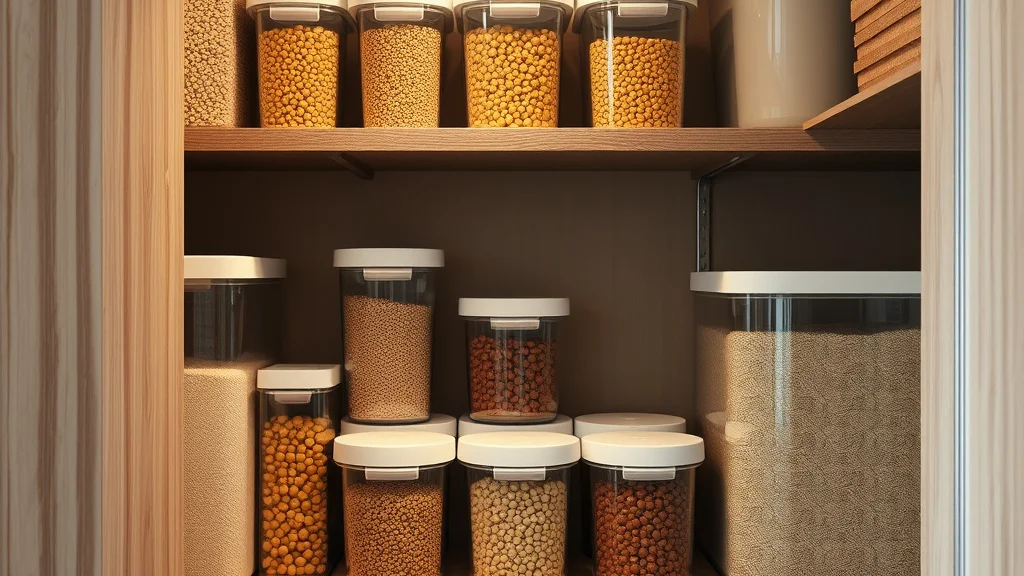
The kitchen pantry is the backbone of an organized home, where every grain, spice, and staple finds its rightful place. However, ensuring all your dry food is stored effectively and remains fresh can be a daunting task, especially with so many storage container options available today. Enter the world of dry food storage containers, essential tools that transform chaos into a streamlined system. Understanding the different types of storage containers and their specific advantages can make a monumental difference in how you store and access your pantry items daily. In this guide, we delve deeply into choosing the right containers, exploring different materials and features, and learning how to maximize efficiency in your pantry setup. Whether you’re starting from scratch or looking to update your current system, we’ve got the information you need to make informed decisions.
Materials Matter: Plastic vs Glass Containers
One of the most critical decisions when selecting dry food storage containers is choosing between plastic and glass. Each material has distinct pros and cons that can significantly affect their functionality and your pantry experience.
- Plastic Containers: Lightweight and generally more affordable, plastic containers are easy to handle and come in various shapes and sizes. They are shatterproof, making them an ideal choice for households with children or for storing items frequently accessed. Many modern plastic containers are made BPA-free, alleviating health concerns related to plastic use.
- Glass Containers: Glass offers an eco-friendly and aesthetically pleasing option. It is non-porous and won’t absorb food odors or stains, making it perfect for long-term storage. Additionally, glass containers are usually transparent, allowing easy visibility of contents, which is excellent for inventory management.
Seal the Deal: Importance of Airtight Lids
Ensuring your containers have airtight seals is crucial for maintaining the freshness of stored foods. Airtight lids prevent moisture, pests, and contaminants from entering, thus prolonging the shelf life of food. When choosing containers, look for products that boast strong sealing mechanisms such as silicone gaskets or snap-lock lids. These features are especially beneficial for items like flour, sugar, or cereals that are prone to clumping or going stale. Feedback from other users can be invaluable here, so consider reading reviews or choosing well-known brands that guarantee airtight solutions.
Stackability: Maximizing Pantry Space
One of the frequent challenges in managing a pantry is space optimization. Stackable containers can significantly alleviate this problem by allowing you to use vertical space efficiently. When selecting stackable options, ensure they have a stable base and a secure lid to prevent tipping. Nested sets are also popular, as they are designed to fit inside one another when not in use, saving even more space. By using stackable containers, you can achieve a clean and organized look while keeping everything within easy reach.
| Feature | Plastic Containers | Glass Containers |
|---|---|---|
| Weight | Lightweight | Heavier |
| Durability | Shatterproof | Fragile |
| Eco-friendliness | Less Eco-friendly (unless recycled) | Highly Eco-friendly |
| Visibility | Available in clear or opaque | Typically clear |
| Cost | More affordable | More expensive |
Customizing Size and Shape for Versatility
Your pantry has its unique layout, so the ability to customize container size and shape can be highly beneficial. Opt for container sets that offer various sizes to accommodate different types of dry foods – from larger cereal boxes to smaller spice jars. Uniform shapes like rectangles and squares are usually better for space economy, as they fit together neatly without wasted space between them. Consider your usual purchase sizes when evaluating sets, ensuring you have a suitable option for each type of item you plan on storing.
Labels and Transparency: Enhancing Organization
Labels can significantly enhance your pantry organization by eliminating guesswork. Many containers come with label-friendly designs, such as smooth surfaces or label slots. Clear containers provide an immediate view of their contents, promoting easy recognition, and reducing unnecessary opening and closing. Combining labeled, transparent containers with a pantry inventory list can further elevate your organization. Consider using erasable or removable labels to allow for regular updates.
Health Considerations and Safety
Health and safety should be a top priority when selecting food storage containers. For plastic options, choose BPA-free products to avoid any harmful chemicals leaching into your foods. Glass containers provide peace of mind with their non-toxic nature. Additionally, ensure that any container, regardless of material, is rated for food safety. Keep in mind factors such as microwaveability and freezer safety if you plan to use your containers beyond pantry storage.
The Aesthetic Factor: Achieving a Cohesive Look
Pantry organization doesn’t just stop at function – aesthetics play an essential role too. A set of uniform containers can create a visually pleasing cohesive look. Consider how your chosen containers will blend with your kitchen’s current theme and style. The uniformity and harmony of your pantry containers can add to the overall ambience of your kitchen, creating a more enjoyable environment for meal prep and daily cooking.
Budgeting for Quality: Investing in Long-Term Use
While it might be tempting to opt for the most affordable containers available, investing in quality can pay off in the long run. High-quality containers often mean better materials, enhanced durability, and longer-lasting freshness for your foods. Consider purchasing from reputable brands or exploring customer reviews to identify containers that offer the best value for money. Prioritizing quality over quantity will likely reduce the need for frequent replacements.
Knowing Your Needs: Tailoring the Selection
Understanding your family’s dietary habits and pantry usage is key to selecting the perfect storage solutions. Analyze the types of items you most frequently store and the quantities you typically keep on hand. Personalizing your storage selection to fit your unique needs rather than a one-size-fits-all approach will provide greater satisfaction and efficiency in daily kitchen management.
Caring for Your Containers to Ensure Longevity
Proper care and maintenance of your storage containers will extend their lifespan significantly. Always follow manufacturer guidelines when it comes to cleaning, avoiding abrasive sponges that could scratch or compromise airtight seals. Both glass and plastic containers benefit from regular, thorough cleaning to prevent lingering food odors or stains. Checking for any wear and tear in seals and joints periodically can help maintain optimal performance. Check prices on Amazon
Recycling and Sustainability: Eco-Friendly Choices
For eco-conscious individuals, selecting sustainable storage container options is a priority. Seek containers made from recycled materials, and choose glass over plastic if long-term environmental impact is a concern. Working towards zero-waste can start within your pantry; aim to minimize excess packaging and encourage recycling by selecting reusables and recyclables. Go a step further by supporting brands and manufacturers that prioritize sustainability in their production processes.
Frequently Asked Questions
How do I know if a container is truly airtight?
Check for features like silicone gaskets and snap-lock lids which are designed to create airtight seals. Reading product reviews for user experiences can also provide insights.
Are there containers specially designed for specific foods?
Yes, some containers are designed with specific foods in mind, such as cereal dispensers, pasta storage pods, or flour keepers that include measurement markings or pour spouts.
Can using glass storage impact the freshness of my food compared to plastic?
Glass does not absorb odors or stains, and it does not leach chemicals, which can help maintain food freshness equally well as, if not better than, plastic, depending on sealing quality.
What is the best way to label pantry containers?
Use removable or erasable labels for flexibility in updating contents. Label on areas that won’t interfere with readability if the containers are stacked tightly together.
Are plastic containers safe for storing food over the long term?
Plastic containers that are BPA-free and specifically designed for food storage are generally safe, though always prioritize food-grade materials and monitor for wear over time.
Do stackable containers always come in sets?
Many stackable containers are sold in sets designed to maximize versatility and value, though individual purchases are available for more customized needs.
What should I do if a container’s lid loses its seal?
If a lid loses its seal, it might be possible to replace or adjust the seal if it’s removable; otherwise, it may be best to replace the container to ensure airtight security.
How can I ensure my containers are eco-friendly?
Look for those made from sustainable materials, such as recycled plastics or glass, and support brands that are committed to environmental responsibility.
Final Thoughts
Dry food storage containers play a vital role in maintaining an organized, efficient, and aesthetically pleasing pantry. With various materials, sizes, and features available, the right choice can significantly impact your kitchen experience. From protecting food from spoilage to arranging items for better visibility and accessibility, selecting the appropriate containers involves thoughtful consideration of your specific needs, budget, and environmental impact. By understanding the key elements that define effective dry food storage containers, you can transform your pantry into a well-ordered culinary sanctuary.
