

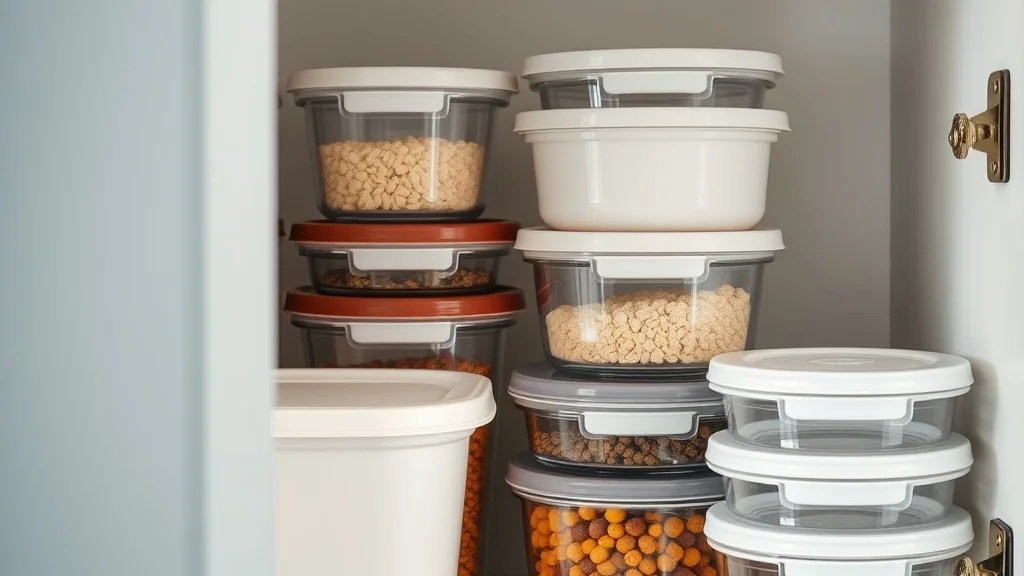
In the hustle and bustle of daily life, an organized kitchen can be a saving grace. A well-arranged cabinet not only enhances the kitchen’s aesthetics but also improves functionality. One common kitchen dilemma that many of us face involves finding the perfect storage solution for glass food containers and their lids. The intricate dance of mismatched lids, containers, and space can lead to clutter and inefficiency. This guide is crafted to help you navigate the chaos by offering practical, low-maintenance ideas for organizing your glass food containers in a cabinet effectively. Whether you’re a seasoned organizer or a busy parent, this comprehensive guide will provide tips and tricks to streamline your kitchen storage while keeping maintenance at a minimum.
Understanding Your Storage Space
Before diving into organization techniques, it’s essential to evaluate your current cabinet space. Different kitchens offer varying amounts of storage, and understanding the layout will help dictate the best organizational method:
- Measure the interior of your cabinets to understand the space you’re working with.
- Take note of shelves, any dividers, and how adjustable they are if necessary.
- Consider the type of cabinet door, which might affect the storage strategy, like sliding versus hinged doors.
Identifying Your Glass Containers’ Needs
Glass containers come in various shapes and sizes. Identifying your specific needs will influence how you approach organizing them.
- Consider the most frequently used container sizes to ensure they are most accessible.
- Note which containers stack neatly together in order to maximize your vertical storage space.
- Evaluate the types of lids you have. Do you have snap-on, twist-off, or something else entirely?
Choosing Between Open and Closed Storage Solutions
Between open shelf storage and more enclosed container options, each has its own set of benefits and challenges:
| Option | Advantages | Disadvantages |
|---|---|---|
| Open Shelf Storage |
|
|
| Closed Storage Solutions |
|
|
Leveraging Vertical Space
One of the most efficient ways to store glass containers and their lids is by taking advantage of your cabinet’s vertical aspect:
- Implement adjustable shelving to accommodate various container heights.
- Use stackable storage solutions for lids to keep them organized and accessible.
- Install tension rods that can act as dividers and shelves for added flexibility.
Using Drawer Systems
If your cabinet includes drawer space, maximize this often underutilized area to store containers:
- Place containers and lids in drawers with custom or adjustable dividers.
- Opt for soft-close drawers to prevent containers from clanging together, reducing the risk of breakage.
- Install slide-out racks for easier access to containers stored in deeper drawers.
The Role of Labels and Tags
Efficient organization often hinges on clear labeling:
- Label container stacks and lid storage areas to ensure everything returns to its designated place.
- Use chalk markers on glass for temporary labels or try adhesive labels for a longer-lasting solution.
- If space permits, put lid size labels on the cabinet shelves to easily match lids to their containers.
Container Stack Methods
Stacking is not just about placing one container on top of another; strategy is key:
- Align containers by size and shape to maximize space and stability.
- Use clip-on lid storage for easy accessibility while maintaining organization.
- Stack similar containers together and prioritize frequently used sizes in front or on top.
Utilizing Space-Saving Innovations
Many contemporary kitchen innovations can aid in smart storage:
- Consider a lazy Susan for easy access in deep corner cabinets.
- Explore extendable shelves or magnetic strips for lid storage inside doors.
- Look into modular storage systems that can grow as your storage needs evolve.
Maintaining Your Organizational System
Once set up, keeping the order is key to long-term success:
- Schedule monthly or quarterly cleanouts to keep clutter at bay.
- Encourage family members to adopt the same organizational system.
- Assess your needs as they change, adjusting your system accordingly.
The Benefits of Minimalist Storage
Embracing a minimalist approach can enhance both aesthetics and efficiency:
- Reduces the excess, making it easier to keep track of what you have.
- Creates a visually calming environment, thus encouraging usage.
- Focuses on quality over quantity, improving overall functionality.
Frequently Asked Questions
How can I efficiently store lids?
Consider using a dedicated drawer with dividers, magnetic strips inside cabinet doors, or adjustable racks for easy accessibility.
What can I do if I have a small kitchen?
Leverage vertical space with shelf risers, stackable containers, and utilize the inside of cabinet doors for additional storage.
Are there specific containers better for organizing?
Look for stackable, uniform-sized containers as they make better use of space and maintain a tidy appearance. Modular systems offer flexibility for changing needs. Check prices on Amazon
How often should I reorganize my container storage?
Assess your system monthly or quarterly, making adjustments based on any new containers or changes in your kitchen routine.
Is it better to keep lids separated from containers?
This depends on preference. Storing lids separately can sometimes save space and make it easier to access containers.
Can tension rods hold heavy glass lids?
Tension rods are generally best for lightweight items; however, they can effectively segment spaces for organizing lids in lightweight divisions.
Should I label both my containers and the shelves?
For optimal organization, label both. This visual guide helps return items to their designated spaces and maintains order.
What should I prioritize for container accessibility?
Frequently used container sizes should be the easiest to access, placed at the front or top of any storage system.
Final Thoughts
Optimal glass container storage in your kitchen is not just a fleeting project but a lifestyle change that enhances both organization and quality of life. By implementing these low-maintenance storage ideas, you create a more efficient kitchen space that’s easy to maintain. As you explore these solutions, remember that customization is key to ensuring the system works for your household’s unique needs. A little planning and creativity can lead to lasting order and convenience.
