

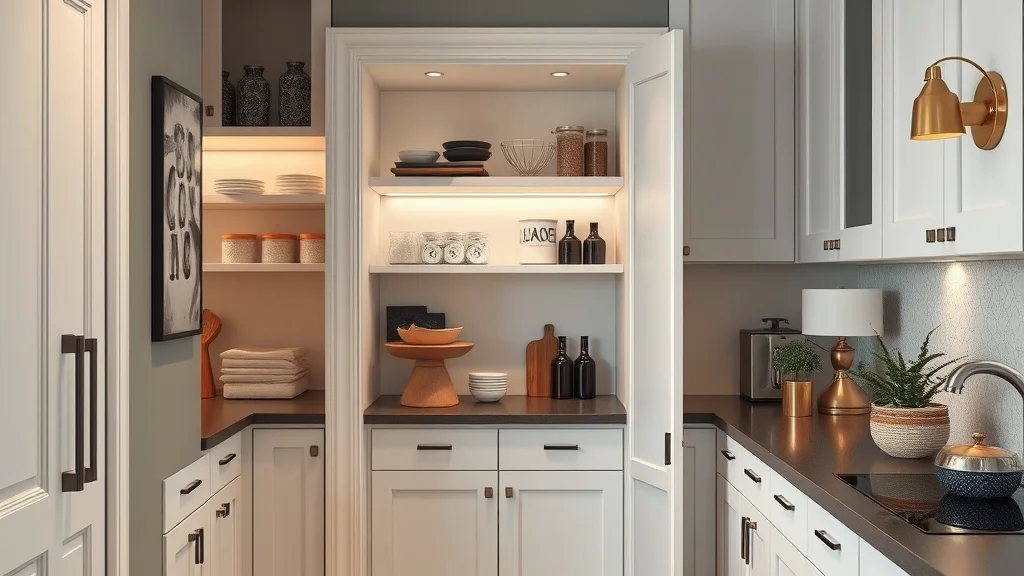
In the world of home organization, a built-in pantry offers an exceptional solution for utilizing space efficiently while adding a touch of elegance to your kitchen design. With the rise of modern home living, maximizing storage has become a crucial aspect of maintaining order and accessibility in your cooking space. Here, we delve into the art of built-in pantry storage, showcasing the endless possibilities and practical benefits it brings to your home. Whether you are a culinary enthusiast or simply seeking to streamline your kitchen space, our comprehensive guide will equip you with the knowledge and inspiration to transform your pantry into an organized haven.
Understanding Built-In Pantry Storage
Built-in pantry storage refers to cabinets, shelves, and organizational units incorporated directly into your kitchen’s infrastructure. Unlike standalone units, built-in pantries are custom-designed to seamlessly match the style and architecture of your kitchen, offering a unified and cohesive appearance. Such pantries capitalize on available space, often utilizing hidden or less-visible areas to minimize clutter and enhance accessibility.
Benefits of Built-In Pantry Storage
Embracing a built-in pantry can revolutionize your kitchen dynamics in numerous ways. Here are several compelling benefits:
- Space Efficiency: Utilize every inch of available space without constraints.
- Customization: Tailor the design based on personal needs, preferences, and cooking habits.
- Aesthetic Appeal: Seamlessly integrate with existing kitchen decor, creating a sleek and modern look.
- Increased Home Value: Attractive built-in features can enhance property value.
Types of Built-In Pantries
When planning a built-in pantry, choosing the right type is essential. Although there are many options, two primary types stand out: the walk-in pantry and the cabinet pantry. Below is a detailed comparison of these pantry types to help you decide which might be the best fit for your home.
| Feature | Walk-In Pantry | Cabinet Pantry |
|---|---|---|
| Space Required | Significant, requires a dedicated room or large space | Minimal, can be fitted within standard cabinet areas |
| Capacity | Large storage capacity, suitable for bulk items | Limited, generally for essential items |
| Accessibility | Easy, with room to move around | Limited to the depth and height of the cabinet |
| Customization | Highly customizable with shelves, drawers, etc. | Customizable, but with design constraints |
| Aesthetic Integration | Requires additional design to blend with the kitchen | Can easily match existing kitchen style |
Designing Your Built-In Pantry
Designing a built-in pantry starts with understanding your storage needs. Consider what items you use frequently and the best way to store them. The layout should allow for easy access and organization. Use a combination of adjustable shelving and pull-out drawers for versatility. Consider incorporating baskets or bins for bulkier items, and design sections for specific categories such as spices, snacks, or canned goods.
Choosing the Right Materials
The materials used in your built-in pantry play a crucial role in its durability and aesthetic appeal. Opt for high-quality wood, laminate, or metal finishes that can withstand the wear and tear of frequent use. Additionally, choose materials that complement your kitchen style, creating a seamless transition between spaces. Focus on finishes that are easy to clean and maintain, ensuring longevity in both function and appearance.
Lighting and Ventilation
Lighting and ventilation are often overlooked yet essential aspects of pantry design. Proper lighting ensures visibility, allowing you to quickly locate items. Consider installing LED strip lights or recessed lighting within the pantry. Ventilation, although less apparent, is equally important, especially in walk-in pantries, to prevent humidity and preserve stored goods. An adequate ventilation system can also reduce odors, maintaining a fresh environment.
Integrating Smart Storage Solutions
Smart storage solutions can elevate your pantry’s functionality to a whole new level. Consider adding features like motion sensor lighting, automated doors, or pull-down racks. Smart technology integration, such as inventory management systems, can notify you when stock levels are low, making pantry management a breeze. These features not only enhance convenience but also contribute to a modern kitchen aesthetic.
Maximizing Vertical Space
To make the most of your pantry, don’t overlook vertical space. Install tall shelving units, stackable bins, and hooks on doors to maximize storage capacity. Use tiered shelf organizers to keep items easily visible and accessible. By extending storage upwards, you can free up valuable counter space and reduce kitchen clutter, while keeping essential items within easy reach.
Organization Tips for Efficiency
Efficient pantry organization is key to a smooth-running kitchen. Here are some tips:
- Label Everything: Use clear labels for easy identification.
- Group Similar Items: Store similar items together to speed up the selection process.
- First In, First Out: Place older items at the front to ensure they are used first.
- Designate Specific Zones: Create zones for baking supplies, snacks, breakfast items, etc.
Considerations for Small Kitchens
If space is constrained, consider innovative strategies to implement a built-in pantry. Look for unused nooks or corners to install a tall, narrow pantry. Utilize under-cabinet storage, sliding pantry doors, and pull-out racks to maximize every available inch. An organized pantry in a small kitchen can significantly streamline your cooking routine, even without a large footprint. Check prices on Amazon
Budgeting for Your Built-In Pantry
The cost of installing a built-in pantry can vary widely depending on factors such as size, materials, and features. It’s essential to set a realistic budget that accounts for these variables. Consider consulting with a kitchen designer to develop a custom plan that meets your needs and fits within your budget. Factor in costs for installation, as professional expertise can ensure a polished and functional result.
Frequently Asked Questions
What are the main costs involved in building a pantry?
The main costs include materials, labor for installation, and any additional features such as lighting or smart technology.
How can I maximize storage in a small pantry?
Utilize vertical space with tall shelves, stackable bins, and over-the-door storage solutions to maximize capacity.
What materials are best for pantry construction?
Opt for durable materials such as solid wood, laminate, or high-quality metal that match your kitchen’s aesthetic and withstand wear.
How do I maintain an organized pantry?
Regularly declutter, label items, group similar products, and adopt the first-in, first-out method for inventory turnover.
Is a built-in pantry worth the investment?
Yes, built-in pantries enhance kitchen functionality, provide aesthetic value, and can increase home resale value.
Can built-in pantries be relocated?
Generally, built-in pantries are permanent fixtures and relocating them would require significant renovation.
What kind of lighting is recommended for pantries?
Use LED strip lights or recessed lighting for bright, energy-efficient illumination within the pantry.
Are there environmentally friendly options for pantry construction?
Yes, using sustainable materials like bamboo or reclaimed wood can make your pantry eco-friendly. Additionally, energy-efficient lighting and proper ventilation contribute to a greener design.
Final Thoughts
Opting for built-in pantry storage is a smart, stylish way to enhance your kitchen. It offers efficient use of space, improved organization, and a boost to your kitchen’s overall aesthetic. With thoughtful planning, you can create a customized pantry that not only meets your storage needs but also enriches your cooking and dining experience. Whether you’re remodeling your kitchen or expanding existing storage, investing in built-in solutions provides both immediate benefits and long-term value for your home.
