

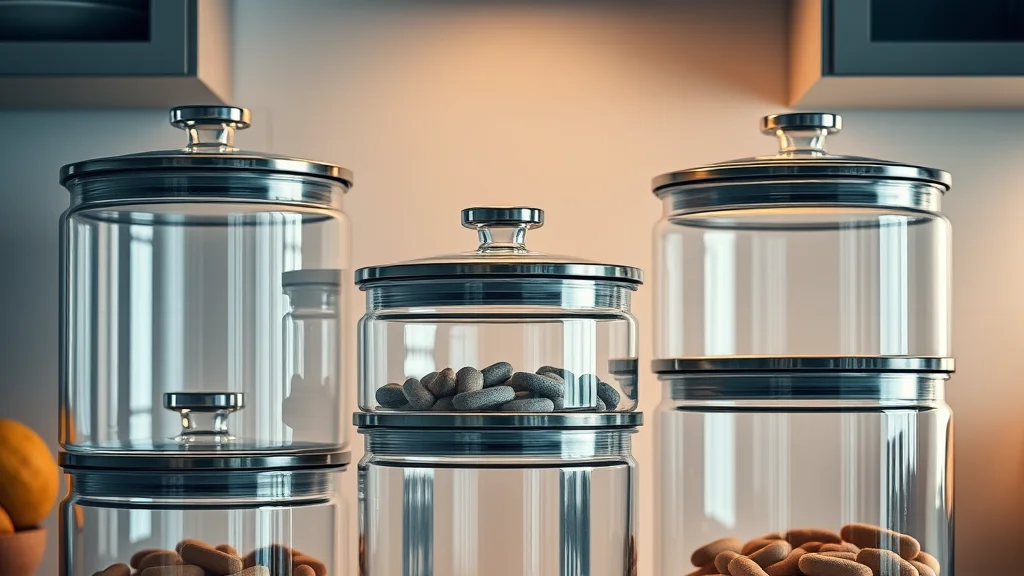
In the hustle and bustle of modern life, maintaining an organized kitchen is essential for both efficiency and peace of mind. Amidst the myriad of organizing solutions available, glass kitchen storage containers with lids stand out for their versatility, sustainability, and aesthetic value. These containers not only help streamline your kitchen space but also contribute to healthier food storage practices. Emphasizing durability and non-toxicity, glass containers have surged in popularity as consumers become increasingly aware of the benefits of using such materials. In this article, we delve into the advantages of using glass kitchen storage containers, explore various features and types, and offer guidance on how to integrate them effectively into your kitchen routine.
Advantages of Glass Kitchen Storage Containers
Glass kitchen storage containers offer a variety of benefits that make them a preferred choice for many households:
- Durability: Unlike plastic, glass containers are less likely to warp or degrade over time. They remain strong and intact even after repeated uses and washes.
- Non-Toxic: Glass is a naturally safe material that does not leach harmful chemicals into your food, unlike some plastics that contain BPA or phthalates.
- Transparency: Clear glass allows you to easily identify contents without opening the lid, helping reduce food waste and improve meal planning.
Types of Glass Kitchen Storage Containers
Glass kitchen storage containers come in several types, primarily differentiated by their design and functionality. Understanding these variations can help you select the right container for your needs.
- Borosilicate Glass: Known for its excellent thermal resistance, borosilicate glass containers can go from freezer to oven without shattering.
- Soda-Lime Glass: More affordable than borosilicate, soda-lime glass is ideal for everyday storage and is dishwasher, microwave, and freezer safe.
The Role of Lids in Glass Storage Containers
The lid is an integral component of glass storage containers that should not be underestimated. A quality lid ensures that the contents of the storage container are sealed effectively, maintaining freshness and preventing leaks. Most lids for glass containers come in a variety of materials, including:
- Plastic Lids: Typically designed with silicone seals to create airtight closures, these are common but should be verified for BPA-free labeling.
- Glass Lids: Though heavier, glass lids enhance the aesthetic of your storage while also being microwave and oven safe.
Comparison Table: Borosilicate vs Soda-Lime Glass
| Feature | Borosilicate Glass | Soda-Lime Glass |
|---|---|---|
| Thermal Resistance | High – suitable for oven-to-freezer use | Moderate – best for standard storage |
| Durability | Highly durable and resistant to thermal shock | Great for everyday use but less resistance to extreme conditions |
| Price Point | Higher due to material quality | More affordable for budget-conscious buyers |
| Lid Compatibility | Generally compatible with all lid types | Plastic and silicone lids are most common |
Benefits of Using Glass Containers Over Plastic
Glass storage containers have gained a reputation for being healthier and more environmentally friendly than their plastic counterparts. Here are some of the reasons why glass is often the preferred choice:
- Healthier Storage: Glass containers are free from BPA and other harmful chemicals that can leach into food.
- Eco-Friendly: Glass is 100% recyclable and has a longer lifecycle, contributing to reduced plastic waste.
- Taste Preservation: Glass doesn’t absorb food odors or stains, ensuring flavors remain pure.
Organizational Strategies Using Glass Containers
When organizing your kitchen, glass storage containers can be a game-changer. Here are some strategies to optimize their use:
- Labeling: Use labels to identify contents, especially when using opaque lids, to quickly find ingredients.
- Stacking: Choose containers designed for stacking to maximize space and maintain order in your cabinets.
- Categorizing: Assign specific containers for specific food groups, such as grains, nuts, or leftovers, for easy access and planning.
Maintenance Tips for Glass Storage Containers
Proper maintenance will ensure your glass containers last for years without losing their quality:
- Washing: Clean containers with warm soapy water or in the dishwasher, ensuring lids are removed before washing.
- Avoiding Sudden Temperature Changes: Prevent thermal shock by allowing containers to reach room temperature before transferring between extremes.
- Inspecting Lids: Regularly check silicone seals for wear and replace if they become damaged.
Innovative Uses for Glass Containers
Beyond traditional food storage, glass containers can be versatile tools in the kitchen:
- Meal Preparation: Prepare meals in advance and store them in single-serve glass containers for easy heating and serving.
- Baking and Cooking: Some glass containers are oven-safe, allowing them to double as baking dishes.
- Display: Use clear glass containers for pantry staples like spices, pasta, or cereals for an aesthetically pleasing pantry arrangement.
Environmental Impact of Using Glass Containers
Opting for glass containers is not just an investment in your kitchen, but also a contribution to the environment:
- Reduced Carbon Footprint: Glass manufacture and recycling processes have a lower carbon footprint compared to plastic production.
- Recyclability: Glass can be recycled indefinitely without losing quality, making it a sustainable choice.
The Economic Value of Glass Storage Solutions
While the initial cost of glass containers might be higher than plastic, the long-term benefits often outweigh the price difference:
- Lifespan: Glass containers last longer and do not degrade like plastic, leading to less frequent replacements.
- Quality: The preservation of food quality and taste can lead to less food waste and more efficient use of groceries.
Purchasing Considerations for Glass Storage Containers
When purchasing glass storage containers, consider the following factors to ensure you choose the best option for your needs:
- Size and Capacity: Select sizes that fit your cooking and storage needs, from large casserole dishes to small snack containers.
- Lid Material and Seal: Opt for containers with airtight seals to maintain freshness and prevent spills.
- Diverse Set Options: Look for sets that offer a variety of shapes and sizes for versatile use.
Frequently Asked Questions
Are glass storage containers microwave safe?
Yes, most glass storage containers are microwave safe. However, it is essential to check manufacturer guidelines, especially regarding lid materials.
How do I prevent glass containers from breaking?
Handle with care, avoid sudden temperature changes, and do not stack items on top of glass containers improperly.
Can glass containers be used in the freezer?
Yes, many glass containers are freezer safe, especially borosilicate glass. Ensure contents are room temperature before placing them in the freezer. Check prices on Amazon
What lid material is best for glass containers?
Silicone-sealed plastic lids are common, providing an airtight seal. Glass lids are also available for oven use but they tend to be heavier.
How do I clean glass storage lids?
Follow the cleaning instructions for the type of lid, as removable seals often require hand washing to maintain integrity.
How do I know if my glass container is oven safe?
Check the manufacturer’s instructions. Oven-safe glass containers are typically made from borosilicate glass.
Can I recycle glass storage containers?
Yes, glass is highly recyclable. However, ensure they are thoroughly cleaned and follow local recycling guidelines.
What is the typical lifespan of a glass container?
With proper care, glass containers can last for many years. Regularly checking lids and seals will extend their usability.
Final Thoughts
Glass kitchen storage containers are a valuable addition to any kitchen, offering benefits like durability, health, and environmental friendliness. They serve as a more sustainable alternative to plastic, accommodating a variety of needs from food preservation to meal preparation. By understanding their features and proper maintenance, you can enhance your kitchen organization, reduce food waste, and make a more environmentally conscious choice for your storage needs. As consumers increasingly prioritize sustainable living, glass storage containers provide a compelling and effective solution for modern kitchens.
