

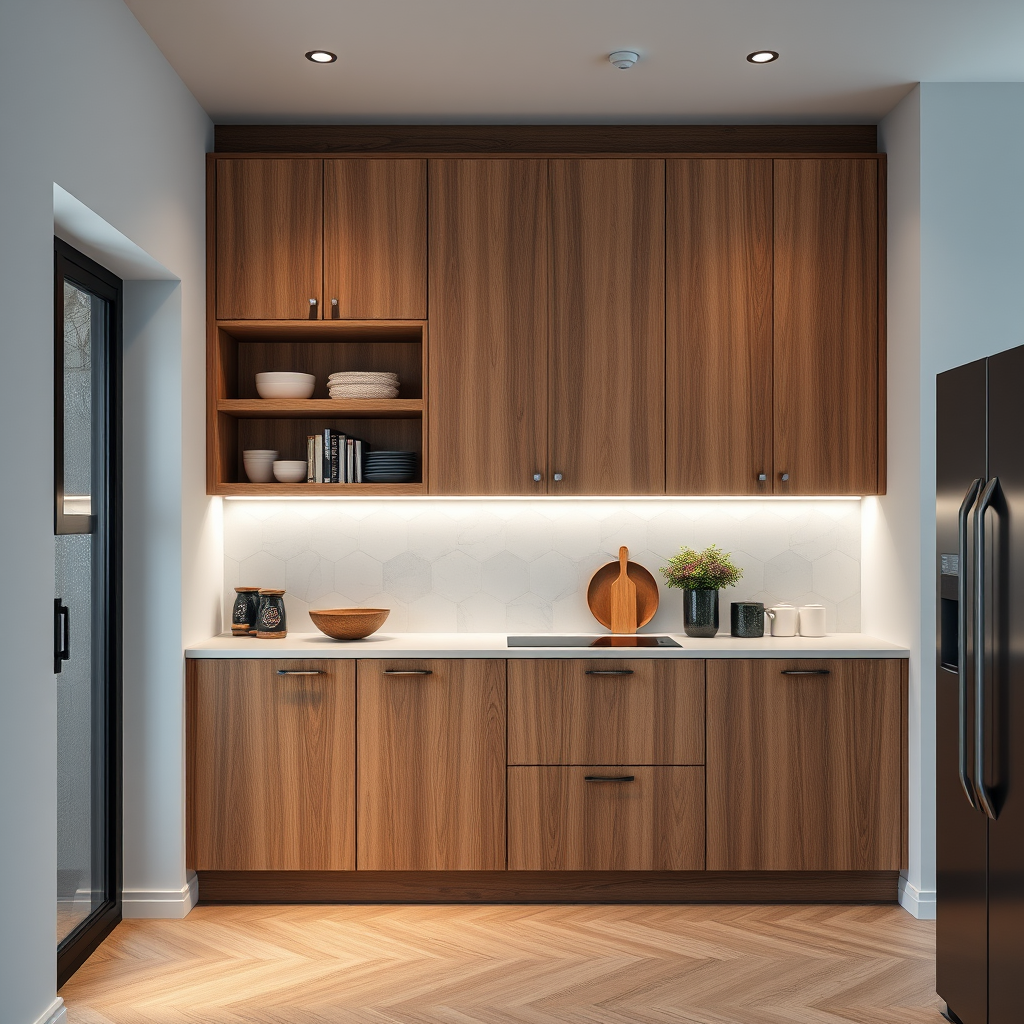
In today’s bustling lifestyles, the kitchen stands as the heart of the home, a hub for culinary creativity and family gatherings. However, the chaos of mismatched utensils, cluttered countertops, and overflowing cabinets can transform this vital space into a source of stress. Optimizing kitchen storage isn’t merely a trend, but a practical solution for enhancing utility and maintaining tranquility. In this article, we delve into ingenious strategies and straightforward upgrades to supercharge your kitchen storage capabilities without a complete remodel. From understanding various cabinet storage options to practical everyday habits, discover how you can create a seamless kitchen experience.
Understanding Kitchen Storage Needs
Your kitchen storage needs are as unique as your cooking style. Before diving into upgrades, evaluate what you use most frequently and how you can arrange items for maximum efficiency. Consider the types of food you stockpile, the cooking appliances you often use, and everyday items like plates and cups. By tailoring your storage solutions to match your cooking habits, you create a functional and enjoyable cooking environment. A successful storage strategy harmonizes accessibility, organization, and the flow of movement in your kitchen, making daily tasks feel less like chores and more like an engaging pursuit.
Essential Types of Kitchen Cabinets
When enhancing your kitchen’s storage, understanding the types of cabinets available can significantly influence your strategy. There are primarily two choices: Base Cabinets and Wall Cabinets. Base cabinets offer deep storage, which is perfect for larger items and appliances. Wall cabinets capitalize on unused vertical space, ideal for frequently accessed items. Each cabinet type serves distinct functions but, when used together, they create a harmonious and efficient storage system. Selecting the right combination tailored to your kitchen layout can streamline culinary tasks and enhance accessibility.
Comparison of Base Cabinets and Wall Cabinets
| Feature | Base Cabinets | Wall Cabinets |
|---|---|---|
| Storage Capacity | Large, deep storage ideal for pots and large appliances | Smaller storage, suitable for plates, cups, and spices |
| Accessibility | Requires bending, can use pull-out trays for ease | Easy access at eye level, potential for vertical organization |
| Best Uses | Heavy kitchen items, bulk storage | Daily-use items, kitchen essentials |
| Space Utilization | Occupies floor space | Maximizes vertical space |
Utilizing Vertical Space
The untapped vertical space in your kitchen can transform how you store and access kitchenware. Installing hooks or rails can hold items such as mugs or utensils, freeing up counter and cabinet space. Shelving units above countertops or around unused upper walls further maximize storage. By elevating items vertically, you enhance visibility and accessibility, reducing unnecessary clutter and minimizing time spent searching for misplaced items.
Innovative Pull-Out Shelves and Drawers
Installing pull-out shelves and drawers within your existing base cabinets can revitalize how you use your kitchen space. These systems allow easy access to items at the back of cabinets, minimizing the need to shuffle through stacks and risking accidental spills or drops. With a gentle pull, you can reach items effortlessly and maintain a more organized and tidy setup. Soft-closing mechanisms also reduce wear and tear on your cabinets while maintaining an ambiance of calm during busy meal preparations.
Drawer Dividers for Organizational Efficiency
Drawer dividers are a simple yet powerful solution for transforming chaotic drawers into epitomes of organization. Tailored dividers can be placed in utensil drawers to separate forks, knives, and spoons, or in larger drawers to segment pots, pans, and lids. This segmentation not only saves space but ensures that everything has a designated home, making tidying up post-cooking an intuitive process. Adopting the habit of maintaining these organizational systems in your daily routine is crucial in sustaining an orderly kitchen environment.
Choosing Compact Kitchen Storage Solutions
Smaller kitchen? No problem. Compact storage solutions like stacking shelves or roll-out pantries can significantly impact. These elements offer expanded storage without the bulk, suitable for tight spaces or as nifty add-ons to your current layout. Evaluate your kitchen’s specific dimensions and needs to select the most suitable solution, ensuring functionality without sacrificing space.
Incorporating Multi-Functional Furniture
The versatility of multi-functional furniture cannot be overstated in small to moderate kitchens. Furniture like kitchen islands or tables with built-in storage can double as preparation areas and storage, mitigating clutter efficiently. Such items serve dual purposes, providing essential workspaces while accommodating storage within their structures. Consider incorporating stools with storage, as every inch of saved space enhances your operational flow and aesthetic value.
The Art of Labeling and Categorization
Labels are the quintessential tool in organizing and maintaining a clutter-free kitchen. Employing a consistent labeling system ensures that every item finds its rightful place and is easy to locate. Beyond labeling, categorizing items—such as grouping bakeware together or dedicating a space solely for breakfast supplies—further streamlines your kitchen tasks and diminishes the time spent looking for specific items. A well-executed categorization plan translates into a cohesive and efficient culinary environment.
Incorporating Racks and Lazy Susans
Racks and lazy susans are unsung heroes in maximizing pantry and cabinet spaces. Racks can be installed on cabinet doors or inserted into deeper cabinets, organizing lids, cutting boards, or spices. Lazy susans, particularly corner varieties, provide rotational access to items typically buried and forgotten in back corners. These solutions enhance accessibility and visibility, crucial for time-efficient cooking without cumbersome interruptions from disorganized storage. Check prices on Amazon
Maintaining Organized Kitchen Habits
Hardware and furniture improvements are incomplete without implementing organized habits. Regularly purging unnecessary items, adhering to designated storage zones, and immediately returning items to their spot sustain a tidy kitchen effortlessly. Cultivating these habits transforms the kitchen into a model of organization, serving as a testament to efficiency and the joy of culinary pursuits.
Frequently Asked Questions
What are the main benefits of pull-out shelves?
Pull-out shelves offer easy access to items, minimize knee bending, and protect against spills and accidents by providing a clear view and easy reach.
How can I best utilize my kitchen’s vertical space?
Install shelves and hooks to hold frequently used items. Wall-mounted rails can also accommodate utensils and accessories.
What solutions exist for small kitchen storage?
Consider compact storage-tiered shelving, roll-out pantries, and multi-functional furniture like islands with built-in storage.
How do drawer dividers help with organization?
Drawer dividers segment space for utensils and larger items, ensuring a structured setup that supports efficient access and tidying.
Are Lazy Susans practical for all cabinets?
While best for corner cabinets, lazy susans can fit in any cabinet where rotation enhances accessibility, provided the space permits.
How can I maintain a habit of kitchen organization?
Establish habits like routine purging of unused items, maintaining dedicated zones for specific items, and immediate placement of items post-use.
What is the advantage of multi-functional furniture?
Multi-functional furniture provides dual functions—culinary workspace and storage—maximizing space usability, particularly in smaller kitchens.
How do I choose between base cabinets and wall cabinets?
Assess the available floor and wall space, considering the types of items you store frequently. Differentiate large item needs versus immediately accessible items.
Final Thoughts
A well-organized kitchen reflects its user’s efficiency and contributes to a harmonious home. By strategically upgrading your kitchen storage with thoughtful cabinet solutions and adopting healthy organizational habits, you enhance both your culinary environment and quality of life. These improvements not only ease your daily tasks but foster a space where creativity and tradition in cooking thrive peacefully.
