
Introduction
Pantry organization is key to maintaining an efficient and orderly kitchen. Having the right food storage containers can make a world of difference, transforming chaotic shelves into neatly arranged spaces where everything is easy to find. The best pantry food storage containers not only keep your ingredients fresh but also maximize your storage space and enhance the overall aesthetic of your kitchen. Whether you’re looking to streamline your cooking process or extend the shelf life of your pantry staples, choosing the right containers is essential. In this article, we’ll explore the top options available, helping you make an informed decision for your home.
Materials Matter: Plastic vs. Glass Containers
When selecting pantry storage containers, one of the first considerations is the material. The two dominant types are plastic and glass, each with its own set of advantages and drawbacks. Plastic containers often boast affordability and a lightweight design, which makes them easy to handle and ideal for stacking. However, not all plastics are created equally, and it’s crucial to ensure they are BPA-free to avoid any health concerns.
On the other hand, glass containers offer durability and are non-toxic, providing a more sustainable choice. They also resist staining and are usually microwave and dishwasher-safe. Though they can be pricier and heavier, their transparency allows for quick identification of contents, which can be a significant benefit in busy kitchens.
Key Factors to Consider When Choosing Pantry Containers
Before making a purchase, there are several factors to consider to ensure you select the best pantry container for your needs:
- Airtight Seals: Airtight containers help keep food fresh by preventing air and moisture from entering.
- Size and Shape: Choose varieties that fit your pantry and accommodate the volume of ingredients you store.
- Stackability: This feature maximizes space, allowing you to easily store more in confined spaces.
- Ease of Cleaning: Consider whether the container is dishwasher-safe and easy to dismantle for thorough cleaning.
Comparison Table of Glass vs. Plastic Pantry Containers
| Feature | Plastic Containers | Glass Containers |
|---|---|---|
| Durability | Prone to scratches | Highly durable |
| Weight | Lightweight | Heavy |
| Transparency | Usually translucent | Completely clear |
| Price | Generally cheaper | More expensive |
| Safety | Must be BPA-free | Non-toxic |
Best Features for Keeping Food Fresh
Airtight seals, made from silicone or rubber, are crucial for maintaining food freshness. Many of the best containers come with vacuum seals that help eliminate air, keeping the contents as fresh as possible. Some innovative designs feature lids that can be pumped or clicked to expel air, ensuring maximum freshness.
Additionally, look for containers that include moisture-absorbing inserts or compartments that separate different food types, particularly if you’re storing items that emit moisture or odors.
Sustainability and Pantry Containers
Eco-conscious consumers should consider the environmental impact of their container choices. Although glass containers are more eco-friendly because they can be recycled and don’t contain harmful chemicals, some brands of plastic containers are made from recycled materials and are designed to be recyclable at the end of their lifespan.
Furthermore, choose products from manufacturers that prioritize sustainable production processes and minimal packaging waste.
Stackability and Space Efficiency
The ability to stack containers is important for maximizing limited pantry space. Look for containers with lids designed for stable stacking, which often feature grooves or raised edges.
Some models offer nesting capabilities when not in use, allowing you to save space and keep your pantry organized. These designs help provide easy access and prevent clutter.
Easy Identification: Labels and Transparency
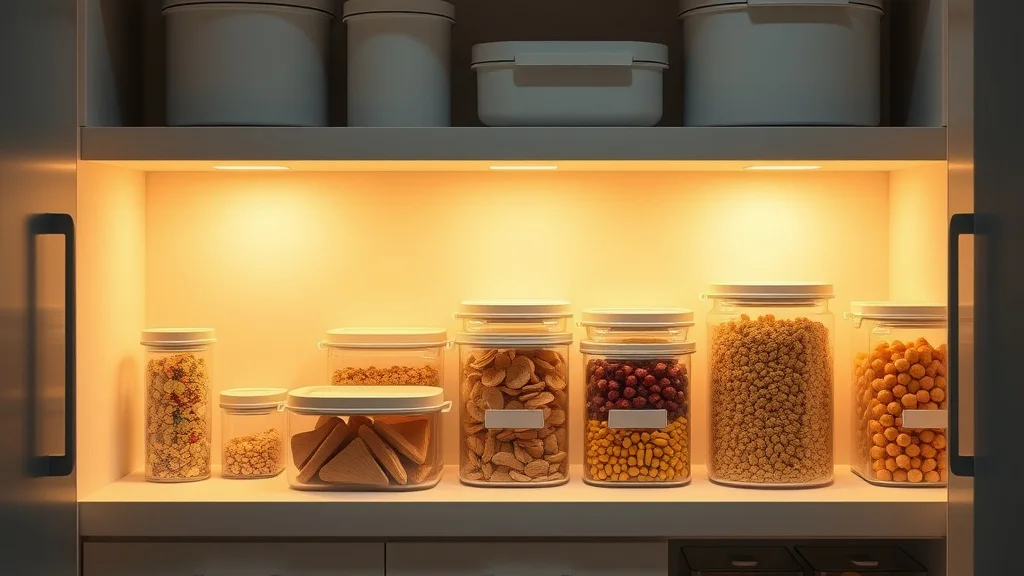
Transparency is a key feature of an effective pantry storage system, enabling you to quickly identify contents and assess stock levels. Glass containers excel in this area, allowing full visibility of contents.
For those who prefer non-transparent options or wish to add a decorative touch, consider using labels. Many containers come with erasable labels and markers, allowing for quick updates and clear identification.
Maintenance: Dishwasher Safe or Not?
Ease of cleaning is an essential consideration for maintaining hygiene. And this involves not only the ability to hand wash but also whether the container is dishwasher-safe.
Plastic containers, particularly those of a lower price point, can often be prone to wear and tear in the dishwasher. Glass options tend to withstand heat better, making them an ideal choice for those who regularly rely on dishwashers for kitchen maintenance.
Specialized Containers for Specific Pantry Needs
Some containers are specifically designed for certain items, such as cereals, pasta, or sugars. These are often equipped with features like pour spouts or measurement markings to enhance user convenience. Check prices on Amazon
Consider specialized stacking options with dividers or compartments for storing nuts, seeds, or assorted dried goods, maximizing efficiency and accessibility.
Password Protection and High-Tech Containers
For those interested in technology, there are high-tech containers featuring electronic components, such as freshness indicators, digital timers, and even password protections for valuable or restricted items.
While they are on the expensive side, these containers offer innovative solutions for meticulous home cooks and tech enthusiasts.
Price Considerations: Budget vs. Investment
Budget is always a key factor in choosing pantry storage solutions. While inexpensive, often plastic-based options offer initial savings, investing in higher-quality, longer-lasting alternatives such as glass may save money over time due to durability.
Consider looking for value packs or sets that can provide discounts on multiple purchases, providing an economical way to re-organize your pantry in one go.
Frequently Asked Questions
Are plastic containers safe for storing food?
Yes, provided they are BPA-free. Safe plastic containers, especially those designed for food storage, do not emit harmful chemicals.
Can glass containers go in the oven?
Many glass containers are oven-safe, but it’s vital to check manufacturer guidelines to avoid breakage or safety issues.
Is it worth investing in vacuum-sealed containers?
Vacuum-sealed containers are excellent for maximizing food freshness, worthwhile for those committed to reducing food waste.
Will glass containers stain?
Glass containers are resistant to stains, unlike some plastic containers that can become discolored over time.
What’s the best way to clean pantry containers?
Cleaning depends on the material; glass containers usually withstand dishwasher cleaning, whereas plastic is often best hand-washed.
Are there containers designed to save space?
Yes, many containers offer stackable or nesting capabilities, designed specifically for space efficiency in your pantry.
Do I need specialized containers for certain foods?
Specialized containers, like those with pour lids, can simplify storage and dispensing of particular foods like cereals and grains.
Are there eco-friendly container options?
Yes, glass containers are particularly eco-friendly. Some plastic containers are made from recycled materials or are recyclable.
Final Thoughts
Choosing the best pantry food storage containers involves considering various factors including the material, durability, eco-friendliness, and the features that suit your needs. While plastic offers practicality and cost-efficiency, glass provides longevity and sustainability. Investing in the right containers not only improves your kitchen’s appearance but also enhances its functionality, helping you maintain a clutter-free and efficient cooking environment. By evaluating your priorities and understanding the available options, you can transform your pantry into a cohesive, organized space that supports your lifestyle and culinary adventures.
