

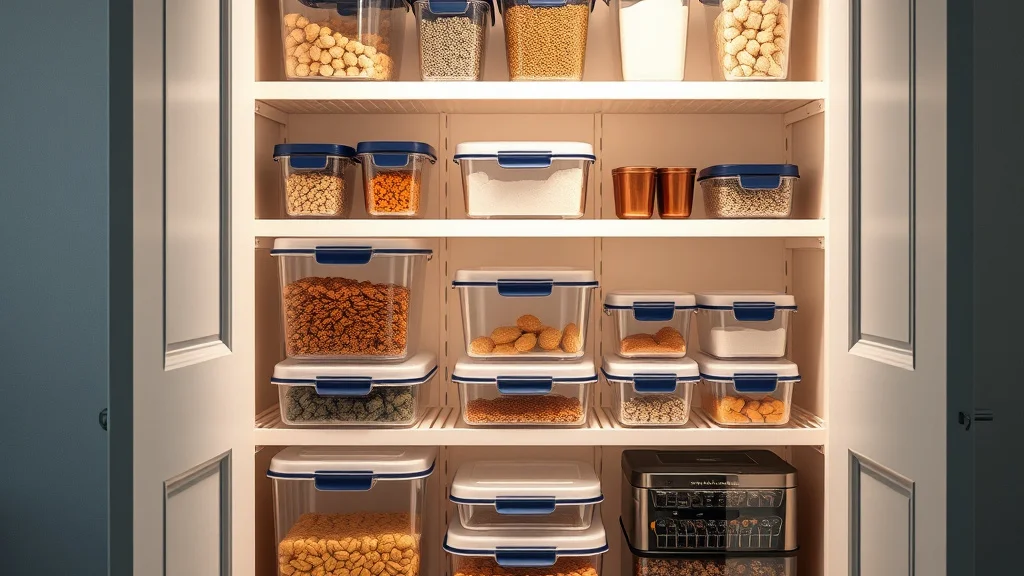
In the realm of home organization, few elements are as essential as pantry storage. The way you store your pantry items can make a significant difference in maintaining the quality of food, maximizing space, and ensuring a seamless cooking and dining experience. Airtight pantry storage containers have emerged as a game-changing solution for those aiming for an organized and efficient kitchen. These containers are designed to keep food fresh longer and protect against pests and moisture that could otherwise compromise your pantry goods. This article delves into everything you need to know about airtight pantry storage containers, from understanding their benefits to choosing the best options tailored to your needs.
Understanding Airtight Pantry Storage Containers
Airtight storage containers are specially designed to create a seal that prevents air from entering the container once it’s closed. This feature is crucial for food storage as it helps mitigate the exposure to air that accelerates spoilage. They come in various sizes, materials, and sealing mechanisms, providing a plethora of choices depending on your specific storage needs.
- Material: Choose materials that best suit your requirements. Options include plastic, glass, and stainless steel.
- Sealing Technology: Different containers use varying methods such as silicone gaskets, snap-on lids, or vacuum sealing to ensure airtightness.
- Size Variety: Available in various sizes, from small containers ideal for spices to large bins for bulk storage.
Benefits of Airtight Containers for Pantry Storage
Adopting airtight containers is more than just a trendy organizational choice; it provides tangible benefits:
- Extended Freshness: By limiting air exposure, these containers help preserve the flavor and quality of food.
- Pest Protection: Airtight containers offer a robust defense against pests like ants, rodents, and pantry beetles.
- Moisture Control: The seal prevents moisture from entering, thus preventing food spoilage and clumping.
- Space Efficiency: Containers can be stacked and arranged to maximize available space.
Airtight Storage Materials: Plastic vs. Glass
| Feature | Plastic Containers | Glass Containers |
|---|---|---|
| Durability | Impact-resistant, lightweight | Sturdy, can break upon impact |
| Weight | Lightweight | Heavier |
| Transparency | Depends on type | Fully transparent |
| Eco-Friendliness | Recyclable but not biodegradable | Recyclable, more eco-friendly |
| Price Range | Generally more affordable | Typically more expensive |
Choosing the Right Size for Your Needs
When selecting airtight containers, size matters greatly. Opt for a mix of sizes to accommodate a variety of pantry staples:
- Small Sizes: Ideal for spices, baking ingredients such as baking powder, and small snacks.
- Medium Sizes: Suitable for dry goods such as sugar, flour, and grains.
- Large Sizes: Use them for bulk items like rice, pasta, or cereals.
The Importance of Stackability in Pantry Organization
Stackability is a key feature to look for in airtight containers, especially if space is at a premium in your kitchen:
- Efficiency: Stackable containers make the most out of vertical space, helping maintain order.
- Visual Appeal: Organized stacks of uniform containers provide a visually pleasing appearance.
- Accessibility: Stacked containers are easier to label and access, streamlining your cooking process.
Safety Considerations with Airtight Containers
Safety is always a consideration when storing food, and airtight containers address several concerns:
- BPA-Free Options: Choose BPA-free plastic to avoid chemical leaching into food.
- Food Grade Materials: Verify that the containers meet food safety standards.
- Safe Sealing: Ensure the seals are tight to avoid spillage and contamination.
Cleaning and Maintenance Tips
To prolong the life of your airtight containers, proper cleaning and maintenance are essential:
- Hand Washing: While some are dishwasher-safe, hand washing extends their lifespan.
- Regular Checks: Routinely inspect seals for wear and tear.
- Dry Properly: Ensure containers are thoroughly dry before use to prevent mold growth.
Design and Aesthetic Considerations
Your choice of airtight containers can influence the overall aesthetic of your pantry:
- Labeling: Consider options that are compatible with labels or have designated labeling spaces.
- Color Choices: Some prefer clear containers for visibility, while others opt for colored versions for aesthetic reasons.
- Uniformity: A consistent container style contributes to a cohesive look.
Budgeting for Airtight Pantry Solutions
While investing in airtight storage may seem upfront expensive, it is cost-effective in the long run:
- Investment in Freshness: Prolongs the lifespan of pantry staples, reducing waste.
- Consider Sets: Buying container sets can provide cost savings compared to individual purchases.
- Long-Term Benefit: Quality containers can last years, making them a wise investment.
Common Mistakes to Avoid
Even with the best intentions, organizing your pantry with airtight containers can go awry:
- Overfilling: Ensure proper air circulation by not overfilling containers.
- Ignoring Size Needs: Avoid buying containers without considering specific size and quantity needs.
- Cheap Seals: Skimping on quality might lead to poor sealing and subsequent food spoilage.
Frequently Asked Questions
What are the main benefits of using airtight pantry storage containers?
Airtight containers keep food fresh for longer and protect against moisture, pests, and contamination.
Which material is better, plastic or glass?
Both materials have pros and cons. Plastic is lightweight and impact-resistant, while glass is more eco-friendly and fully transparent.
How do I ensure my pantry containers are truly airtight?
Check the sealing technology of the lids and the integrity of the gaskets. Choose reputable brands for guaranteed quality.
Can I use these containers in the freezer?
Many airtight containers are freezer-safe, but it’s best to check the manufacturer’s guidelines specific to each product.
Are there special considerations for storing liquids in these containers?
Ensure the container is liquid-tight and not just airtight. Check for proper lid seals and container material compatibility with liquids.
How can I label my airtight containers effectively?
Use clear, removable labels or dry-erase markers if the container has a labeling area.
Do all airtight containers stack?
While many do, it’s better to check the product specifications to ensure stackability if it is a requirement.
How often should I replace the containers or their seals?
Inspect seals regularly for wear and replace them as needed. Containers can last for years with proper care.
Final Thoughts
Airtight pantry storage containers are invaluable tools for optimizing kitchen organization, enhancing food preservation, and ultimately transforming your culinary space. When chosen wisely, these containers not only protect your food but also contribute to a more aesthetically pleasing and efficient kitchen. By considering factors such as material, size, stackability, and maintenance, you can select the best airtight containers to meet your specific needs and household demands. Embrace the benefits of airtight storage, and enjoy a seamlessly organized pantry that supports your culinary adventures.
