
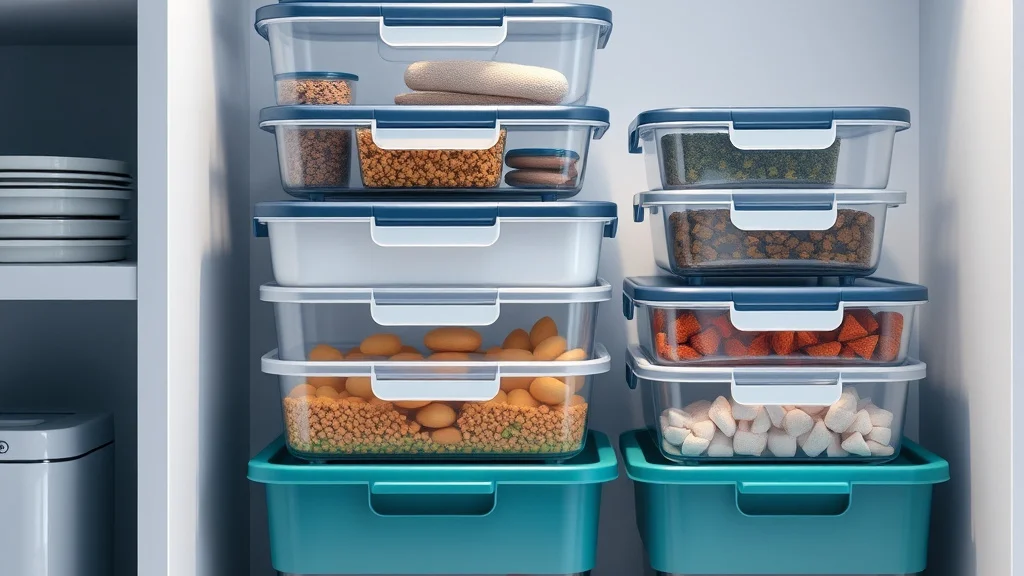
In today’s fast-paced world, maintaining an organized home can seem like a daunting task, especially when it comes to our kitchens. The clutter of food containers and various dry goods can quickly become overwhelming, leading to frustrating mealtime experiences. However, through the magic of organization, specifically using stackable pantry bins, we can reclaim our countertops and create a system that’s both functional and aesthetically pleasing. This guide offers an in-depth look into grouping food containers using stackable pantry bins, transforming any chaotic kitchen space into a model of efficiency.
Before diving into the specifics, it’s important to understand why organizing with stackable bins is beneficial. These bins not only help to maximize space by taking advantage of the vertical area but also keep food items easily accessible. By grouping similar containers together, you can minimize food waste, save time, and enjoy a cleaner cooking environment. As we explore this process further, we’ll compare different types of pantry bins and provide a step-by-step approach to organizing your countertop effectively.
Why Use Stackable Pantry Bins?
Stackable pantry bins offer numerous advantages for anyone looking to maximize their kitchen space. They enable you to utilize vertical storage, keeping your counters free of clutter. With clear labels and visuals, these bins make it simple to locate any food item quickly, thus saving time during meal prep.
- Maximize countertop space
- Easy access to essentials
- Reduce wasting food
- Enhance kitchen aesthetics
Selecting the Right Type of Pantry Bin
There are various pantry bins available, each designed to cater to different storage needs. The choice boils down to material preference, design, size, and functionality.
- Plastic Bins: Lightweight and often transparent for ease of use.
- Glass Bins: Aesthetically pleasing and environmentally friendly.
- Metal Bins: Durable but may require additional labeling.
Types of Stackable Pantry Bins
When choosing stackable pantry bins, it’s essential to recognize the two primary options that dominate the market for their functionality and longevity.
| Type | Key Features | Best For |
|---|---|---|
| Plastic Stackable Bins | Lightweight, clear for visibility, affordable | Everyday pantry use, budget-conscious consumers |
| Glass Stackable Bins | Eco-friendly, aesthetic appeal, durable | Eco-conscious, design-focused storage |
Consideration of Bin Size and Shape
When dealing with food containers, it is crucial to consider the size and shape of the bins. A mixture of sizes within a cohesive set can ensure the properly stacked containers accommodate bulky items alongside smaller jars.
- Small Bins: Ideal for spices, and small grains
- Medium Bins: Best for regular pantry items
- Large Bins: Suitable for bulky items, like flour or rice
Labeling for Efficiency
Proper labeling can make the whole process of organizing and finding goods in pantry bins much smoother. Stickers, tags, or integrated labels on the containers can prevent chaos.
- Choose labels that are water-resistant
- Consider color-coding for quick identification
- Ensure readability with clear, consistent fonts
Organizing by Food Type
Grouping similar food items not only aids in quick access but also helps you maintain control over your inventory. Segmenting by type—snacks, baking supplies, grains, etc., can streamline meal preparation and grocery shopping.
- Segregate perishable from non-perishable goods
- Group common ingredients together
- Keep snacks easily accessible for children
Utilizing Vertical Space
Stackable bins are designed to utilize vertical space efficiently. Take advantage of this design by stacking bins according to usage frequency, ensuring frequently used items are within easy reach.
- Place daily-use items at the top
- Store bulk items towards the bottom
- Ensure that the stack remains stable
Maintenance and Cleaning
Keeping your pantry bins clean is crucial for maintaining food safety and hygiene. Regular maintenance will ensure that your system remains effective and your kitchen stays clean and organized.
- Schedule regular cleaning routines
- Use mild detergents safe for the bin materials
- Check for expired food items periodically
Sustainability Considerations
In an era of increased environmental awareness, choosing sustainable options becomes essential. Opt for pantry bins made from recycled materials or those that offer long-term durability. Check prices on Amazon
- Choose eco-friendly materials
- Avoid unnecessary replacements
- Support brands with sustainable practices
Integrating Bins with Other Organizational Tools
Stackable bins can work well with other kitchen organization tools, such as shelf risers, turntables, and drawer dividers. These tools can further enhance your countertop’s functionality and ensure seamless access.
- Pair bins with drawer organizers for utensils
- Use turntables for easy access to spices
- Add shelf risers for doubled vertical space
Style and Aesthetics
While functionality is paramount, ensuring that your storage system matches the kitchen’s style can add a pleasing visual element to your organization method. Choose bins that complement your kitchen décor.
- Opt for neutral colors for a versatile look
- Consider textured surfaces for added charm
- Match bin colors with kitchen themes
Frequently Asked Questions
What are the benefits of using stackable pantry bins?
Stackable pantry bins maximize space, provide easy access, reduce food waste, and enhance the aesthetics of your kitchen.
Are plastic or glass pantry bins better?
The choice depends on personal preference; plastic bins are more affordable and lightweight, while glass bins are durable and eco-friendly.
How often should pantry bins be cleaned?
It is recommended to clean pantry bins every few months and check for expired food items regularly.
Can I use stackable bins if I have limited vertical space?
Yes, tailor the stack according to your space and use shelf risers to further enhance vertical storage possibilities.
How do I choose the right size for pantry bins?
Consider your typical pantry stock, and mix and match sizes to handle various food items and fit your available space.
How can I ensure my pantry remains organized?
Establish a regular cleaning routine, maintain your labeling system, and adjust your organization strategy as needed.
Is labeling necessary for pantry bins?
While not mandatory, labeling greatly assists in quick identification and maintaining organizational efficiency.
Will stackable bins fit any countertop?
Most stackable bins are designed to fit standard countertops, but it’s advisable to measure your space before purchasing.
Final Thoughts
Organizing your kitchen with stackable pantry bins is a simple yet transformative step towards a more functional and visually appealing cooking space. By mindfully selecting the right bins, creating a sensible system of organization, and incorporating sustainable practices, you can enhance your overall kitchen experience significantly. With a little effort and creativity, maintaining an orderly kitchen becomes second nature, freeing up more time and energy for what truly matters—creating delicious meals for yourself and your loved ones.
