

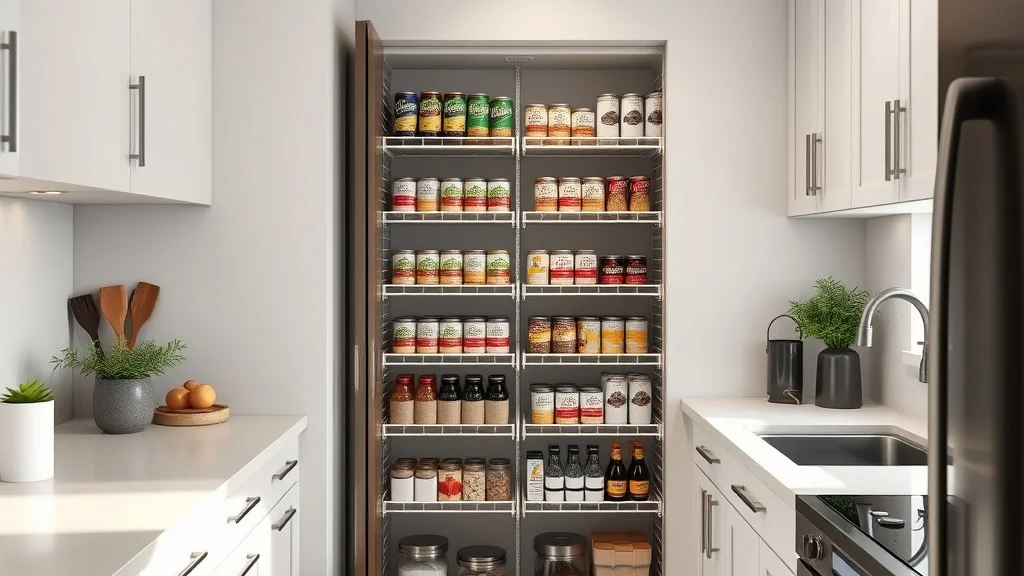
In today’s fast-paced world, shared living spaces are becoming increasingly common, and, as a result, shared kitchens are also on the rise. One of the challenges in a shared kitchen is organizing the pantry, especially when it comes to storing canned goods efficiently. Cans are bulky, often unstackable, and can quickly create clutter. However, with innovative organization solutions tailored for small pantries, even the smallest shared kitchen can become an epitome of practicality and efficiency. This article delves into affordable and simple strategies to streamline the storage of can racks in a shared kitchen, making the most of available space while ensuring accessibility and ease for everyone using the kitchen.
Understanding the Nature of Shared Kitchen Pantries
Shared kitchens face unique challenges, from varying user preferences to maintaining shared resources efficiently. When it comes to organizing a small pantry in such a setting, the key lies in striking the perfect balance between available space and utility. A well-organized pantry makes it easy for everyone to find ingredients and maintain order. This is particularly true for canned goods, which tend to occupy more space due to their bulky nature. Efficient organization involves categorizing, labeling, and storing them correctly, making shared kitchen use more harmonious.
Importance of Prioritizing Space Efficiency
In small kitchen pantries, every inch of available space counts. Space efficiency helps reduce clutter, making the pantry not only more visually appealing but also more functional. When cans are organized effectively, they are easier to locate, reducing time spent searching for a specific item. Prioritizing space efficiency entails utilizing vertical and horizontal spaces wisely, opting for stackable or customizable racks, and considering creative storage solutions that encourage neatness and order.
Versatile Can Rack Options for Shared Kitchens
There are two primary types of can racks that work well in shared kitchen spaces: freestanding racks and cabinet-mounted racks. Each type has unique advantages and disadvantages. Selecting the right can rack depends on specific pantry needs, the number of cans regularly stored, and how accessible they need to be for users.
| Feature | Freestanding Racks | Cabinet-Mounted Racks |
|---|---|---|
| Accessibility | High; can be placed anywhere | Moderate; limited to cabinet space |
| Space Utilization | Effective for larger spaces | Ideal for smaller, enclosed spaces |
| Flexibility | Can be moved easily | More permanent installation |
| Cost | Moderate to high | Typically more affordable |
Benefits of Freestanding Can Racks
Freestanding can racks are praised for their versatility and substantial capacity, sharing kitchen space effectively. These racks can be stationed against walls or in corner areas, ensuring they do not hinder movement or access to other pantry items. Furthermore, many freestanding racks come with adjustable shelves or tiered designs, allowing for a customized fit and organization scheme. Such racks cater to various can sizes, accommodating a diverse range of cooking ingredients, and ensuring excess stock is well-organized.
Advantages of Cabinet-Mounted Can Racks
Cabinet-mounted can racks are ideal for those keen to maximize existing enclosed spaces without occupying valuable floor space. These racks are designed to fit into cabinet interiors efficiently, utilizing vertical space that might otherwise be underused. This type of can rack is particularly beneficial for storing everyday items that need to be within quick reach. They are generally more affordable than freestanding options and can be installed easily, making them suitable for quick organization needs in a shared kitchen setting.
Integration of Pull-Out Shelves
Pull-out shelves offer an excellent solution for shared pantries, maximizing storage space while ensuring ease of access. These shelves can be integrated into existing cabinets, allowing cans to be stored in double rows and using depth effectively. The sliding feature means that even cans placed at the very back of the shelf can be accessed without hassle. Pull-out shelves are a boon for organizing heavy or large cans, ensuring everything is within arm’s reach in a highly organized manner.
Labeling Systems for Optimal Organization
Labels play a crucial role in maintaining an organized pantry, especially in a shared kitchen. Implementing a labeling system helps everyone quickly locate their needed items and ensures stock is easily monitored. A durable label maker should be used to print clear, legible labels for each shelf or rack section. Consider labeling by category, such as vegetables, fruits, soups, and proteins. By encouraging users to return cans to their designated spots, clutter is minimized, and efficiency is maximized.
Implementing Consistent Pantry Maintenance
Regular maintenance is vital for sustaining an organized pantry. Establishing a schedule for rearranging items, cleaning shelves, and checking for expired products fosters a tidier and more manageable environment. Encourage all users to participate in periodic pantry checks, ensuring everyone contributes to the upkeep. Consistency not only promotes better organization but also results in a cleaner, more hygienic storage space, benefiting all users in a shared kitchen environment.
Innovative DIY Can Storage Solutions
For those looking to save money or enjoy a good DIY project, creating custom can storage options can be both rewarding and functional. Simple projects such as using wire baskets or small crates can provide additional storage avenues. By customizing storage solutions, there is an opportunity to cater specifically to the unique needs of a shared kitchen. Blackboard-painted shelves with chalk labeling offer a flexible organization method, allowing for easy updates as pantry contents change.
Considering Multi-Purpose Storage Container Options
Utilizing multi-purpose containers not only provides additional storage capacity but also maintains order within the pantry. Clear storage bins or stackable plastic containers can hold multiple cans, optimizing vertical space use while keeping items visible and accessible. Opting for containers with lids ensures freshness for opened items while promoting an organized look on the shelves. These solutions help divide shared pantry space, maintaining separate zones for users and enhancing overall efficiency. Check prices on Amazon
Embracing Vertical Space with Tall Can Organizers
For shared kitchens with space constraints, taking advantage of verticality can enormously benefit can storage. Tall can organizers offer a way to stack cans safely, using height rather than width for storage. These organizers can fit into tight spots between cabinets or on narrow wall segments, keeping cans visible but out of the way. Choosing slim yet tall organizers allows for increased storage without sacrificing crucial counter or floor space.
Creating a Rotational System for Cans
Implementing a rotational system ensures that older items are used first, minimizing waste in a shared kitchen. Place newer cans at the back of the rack and move older items to the front, encouraging everyone to use items that need consuming sooner. This method is highly effective when paired with organized shelving, especially ones designed explicitly for such purposes, ensuring constant circulation and fresh pantry stock.
Frequently Asked Questions
How do I choose the right size can rack?
Consider the number of canned goods you typically store and measure available space to choose a can rack that fits your pantry size and accommodates all cans comfortably.
What is the best material for a can rack in a pantry?
Sturdy materials like stainless steel or heavy-duty plastic are ideal as they support the weight of cans and resist moisture.
How often should I reorganize my pantry?
It’s recommended to conduct a thorough reorganization every few months or as stock levels change, maintaining neatness and order.
Can labeling really make a difference?
Yes, labeling helps users identify contents quickly and aids in maintaining an organized system, reducing confusion in a shared space.
Are pull-out shelves difficult to install?
Most pull-out shelves come with DIY installation kits and can be installed with basic tools, making them a convenient option for many users.
What should I do if we do not have cabinet space for can racks?
Consider freestanding racks, wall-mounted options, or tall organizers that use open wall space efficiently.
How can shared pantry clutter be minimized?
Encourage regular maintenance, consistent labeling, and using adequate storage solutions to keep the pantry clutter-free and organized.
Are multi-purpose containers beneficial for can storage?
Yes, they can consolidate space, keep items visible, and ensure organized separation of items, enhancing storage efficiency.
Final Thoughts
Organizing a small kitchen pantry, especially in a shared space, can be challenging, but with the right strategies, it becomes a manageable task. By selecting the appropriate can racks, utilizing vertical and horizontal space, incorporating effective labeling, and maintaining a regular organizational routine, one can transform a chaotic pantry into an orderly, accessible storage haven. These efforts not only improve efficiency for shared kitchen users but also foster a more pleasant and cooperative living environment.
