

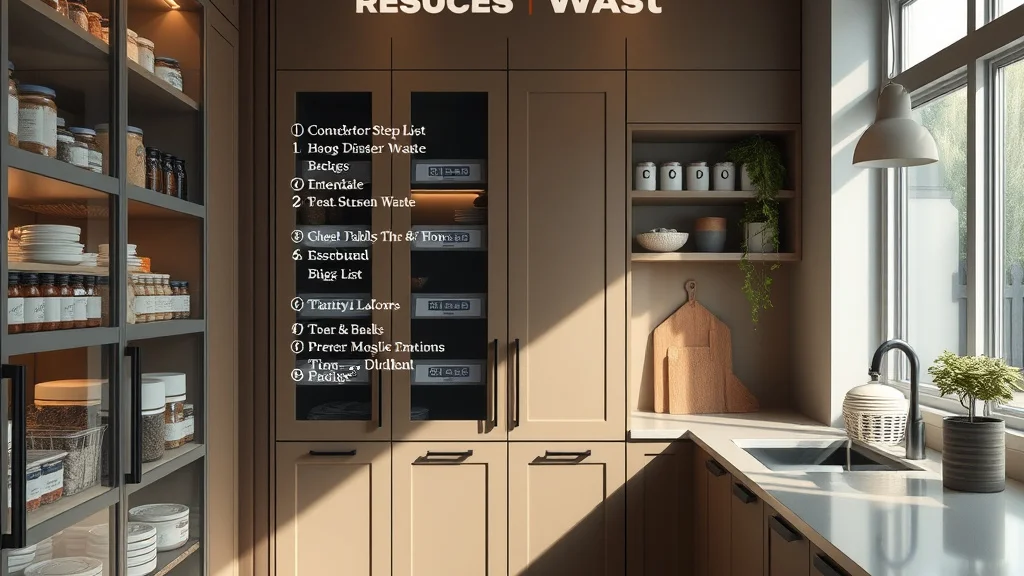
In today’s fast-paced world, effective pantry organization is essential for maintaining a sustainable and clutter-free kitchen. A strategic approach not only minimizes waste but also alleviates the stress associated with clutter. By implementing an efficient inventory list system supplemented with clear pantry labels, you create a harmonious and functional environment that saves you time and money. This guide provides a detailed walkthrough on reducing waste through effective pantry organization, particularly targeting those with a penchant for baking.
The Importance of an Organized Pantry
An organized pantry serves as the foundation of an efficient kitchen. It simplifies meal preparation and reduces the likelihood of purchasing duplicate items, thereby cutting down on waste. When every item has a designated place, you can easily assess your inventory, plan meals ahead of time, and streamline your grocery shopping process.
Understanding Waste Inventory and Its Impact
Food waste is a pressing issue that not only affects your finances but also has environmental repercussions. Understanding your waste inventory involves recognizing which items are frequently discarded or forgotten. By keeping track of your pantry items, you can make informed decisions that align with your usage patterns, ensuring a more sustainable approach to consumption.
Choosing the Right Labeling System for Your Pantry
Effective labeling is the key to maintaining an organized pantry. By selecting the appropriate labeling system, you can ensure that everything from expiration dates to item locations is clearly identifiable. Two popular labeling options include handwritten labels and pre-printed labels. Each comes with its own advantages and limitations, depending on your specific needs and preferences.
| Label Type | Pros | Cons |
|---|---|---|
| Handwritten Labels |
|
|
| Pre-printed Labels |
|
|
Implementing a Color-Coded System
Using color codes can significantly enhance your pantry organization, particularly when managing a variety of items. By assigning different colors to specific categories, you create a visual cue that simplifies locating items. For instance, baking ingredients can be labeled in one color, while non-perishable goods are in another, fostering an intuitive and easily decipherable system.
Inventory Management Techniques
Successful inventory management involves regular monitoring and updating of your pantry contents. By keeping a detailed list of items, including purchase and expiration dates, you can prevent waste and ensure that you always have necessary ingredients on hand. Additionally, rotating items based on use-by date allows you to prioritize the consumption of older items.
Optimize Space with Efficient Storage Solutions
To maximize your pantry space, consider utilizing storage solutions that provide easy access and visibility. Options such as transparent bins, tiered shelving, and stackable containers help to organize items effectively while preventing overcrowding. This not only aids in the clear display of your inventory but also facilitates easy retrieval.
Regular Pantry Audits: Staying on Top of Inventory
Conducting regular pantry audits is crucial for maintaining an organized space. By routinely checking the status of your items, you can identify expired or excess products that need to be discarded or consumed soon. This helps in keeping your pantry clean and preventing the buildup of unwanted items.
Engaging the Family in Pantry Management
Including family members in the pantry organization process ensures collective responsibility and promotes continuous upkeep. By educating each member on the labeling system and inventory management techniques, you encourage consistent practices that maintain the pantry’s order.
Sustainability: Reducing Waste through Smart Shopping Lists
Creating a sustainable pantry involves aligning your purchasing habits with your actual consumption patterns. By crafting a smart shopping list based on your current inventory and meal plans, you avoid impulse buys and minimize surplus. This reduces waste and supports more sustainable living practices.
Investing in Quality Storage Containers
Quality storage containers are a worthwhile investment for any pantry. They preserve the freshness of ingredients and prevent contamination, thus extending the shelf life of your items. Opt for containers that are airtight, durable, and fit the aesthetic of your pantry for a cohesive organizational system. Check prices on Amazon
Personalizing your Pantry Label System
Customizing your pantry labels enables a system that resonates with your personal style and needs. Whether you prefer whimsical designs or minimalist aesthetics, personalizing your labels can make the process of organizing and maintaining your inventory more enjoyable.
Frequently Asked Questions
What are the benefits of a well-organized pantry?
A well-organized pantry increases efficiency, minimizes waste, streamlines meal preparation, and reduces grocery bills by preventing overbuying.
How often should I conduct a pantry audit?
Pantry audits should ideally be conducted every few months to ensure items are fresh and organized efficiently.
What labeling options are best for dry goods?
Pre-printed labels are ideal for dry goods due to their durability and professional appearance, though handwritten labels provide flexibility.
How can I encourage my family to help with pantry organization?
Include them in planning and decision-making processes, and educate them on the benefits of having a well-maintained pantry.
Why is color-coding effective in pantry organization?
Color-coding provides easy visual differentiation between types of goods, making it quicker to locate items and maintain organization.
What are some sustainable practices to maintain a low waste pantry?
Frequent inventory checks, rotation of items, and smart shopping lists aligned with meal plans aid in maintaining a sustainable pantry.
What should I look for in quality storage containers?
Look for airtight, durable containers that fit your pantry’s aesthetic and are suitable for the items they will store.
Can organization systems be adapted for small pantry spaces?
Yes, by utilizing efficient storage solutions such as stackable bins and utilizing vertical space, small pantries can still be methodically organized.
Final Thoughts
Achieving a well-organized pantry requires a strategic approach that incorporates effective labeling, smart inventory management, and sustainable consumption practices. By dedicating time to establish systems that work for your unique needs, you foster an environment that supports efficient cooking and minimizes waste, contributing to a more organized and environmentally conscious lifestyle.
