
Meal prepping is a transformative trend that not only saves time but also ensures you maintain a balanced diet throughout your busy week. A critical aspect of efficient meal prepping is the organization of your food containers and lids, a task that can quickly become overwhelming without a proper system. In this article, we delve into the intricacies of setting up a practical storage system for your food containers and lids, ensuring that your lunch prep station operates smoothly and efficiently. Whether you’re a seasoned meal prepper or a beginner, ensuring that your food storage system is streamlined is essential to maintaining order and efficiency in your kitchen.
The Importance of a Well-Organized Food Container System
Disorganization in food storage can lead to wasted time, lost containers, and unnecessary stress. A well-organized food container system allows you to locate and match your food containers with their respective lids quickly, enabling faster meal prepping. When each container has its designated spot, you avoid the chaos that comes with mismatched lids and missing containers, thus streamlining the process of preparing meals for the week.
Understanding Different Types of Food Containers
Food containers come in a variety of sizes and materials, including plastic and glass. Each type offers different benefits and requires distinct storage strategies. Plastic containers are lightweight and durable, making them ideal for families or those who transport food regularly. Glass containers, on the other hand, are favored for their ability to withstand high temperatures and maintain the freshness of food. Understanding the types of containers you own and their specific storage needs is the first step to an organized lunch prep station.
How to Measure Shelf Space for Containers
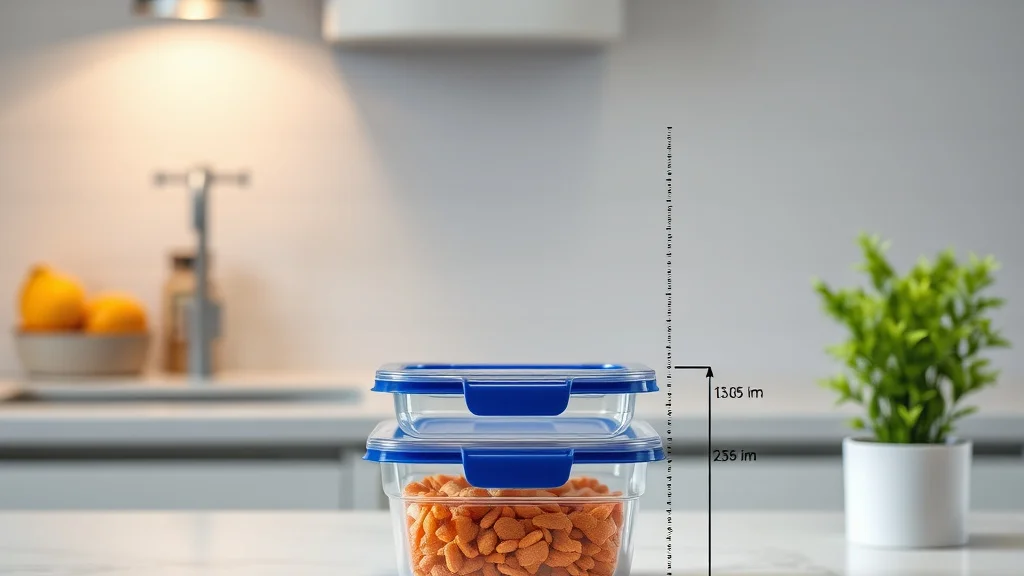
Accurate measurement of your shelf space is crucial. Use a tape measure to determine the width, depth, and height of your available storage area. Remember to account for the additional space that container lids may require. Leaving extra room for ease of access and airflow will ensure your containers are easily accessible and maintain their shape and durability over time.
Comparison of Fixed vs. Adjustable Shelving Units
When designing your storage system, consider whether fixed or adjustable shelving units suit your needs best. Fixed shelving units are sturdy and often come pre-installed in most kitchens. However, adjustable shelving offers flexibility in storage solutions, allowing you to tailor the space to fit a variety of container sizes.
| Type | Benefits | Drawbacks |
|---|---|---|
| Fixed Shelving Units |
|
|
| Adjustable Shelving Units |
|
|
Organizing Lids for Maximum Efficiency
A chaotic arrangement of container lids can derail even the simplest of meal prep tasks. Consider storing lids upright in a dedicated rack or drawer. Use drawer dividers or upright drying racks to keep lids sorted by size and type. This way, you can easily find and grab the lid you need without sifting through a disorganized pile.
Utilizing Vertical Space
Kitchen storage is often limited, making the utilization of vertical space crucial. Install tall cabinets or use stackable storage options to make full use of available space. Tiered shelving or stacking friendly containers can transform unused vertical space into a compact, upscale storage solution for your meal prep containers.
The Role of Labels and Transparency in Storage
Clear containers and labels are invaluable in an organized kitchen. They allow you to quickly and easily identify the contents of each container, reducing time spent searching or opening multiple boxes. Consider containers that are fully transparent, or use clear labels that prominently display container sizes and types to make identification quick and effortless.
How to Keep All Surfaces Clean and Hygienic
Maintaining a clean and hygienic food container area is imperative for your family’s health. Regularly clean surfaces with a suitable kitchen disinfectant. Make it a habit to wipe down shelves and rinse storage systems to remove food particles and buildup. By doing so, you prevent mold and bacteria, ensuring the longevity of your storage setup.
Eco-Friendly Container Storage Options
With increasing awareness of sustainable living, many are turning to eco-friendly storage solutions. Opt for containers made from recyclable materials like glass or high-quality BPA-free plastics. Invest in a storage system that prioritizes sustainability, reducing your carbon footprint while also maintaining organization. Check prices on Amazon
Budget-Friendly Tips for Container and Lid Storage
Not all organizational setups need to break the bank. Budget-friendly storage solutions include repurposing unused materials, such as tension rods, and using inexpensive shelving units or second-hand storage options. Bargain stores and online marketplaces can be treasure troves for affordable and functional storage tools.
Frequently Asked Questions
How do I prevent lids from becoming lost?
To prevent lids from becoming lost, store them in a dedicated area, such as a lid rack or drawer divider, keeping similar sizes together for easier matching.
Should I store containers with lids on or off?
Store containers with lids off to allow circulation and prevent them from becoming sealed with moisture inside, which can encourage mold.
How do I determine the best size of containers for my needs?
Assess your weekly food portions and frequency of meal prepping. Choose container sizes that accommodate your typical meal portions without excess space.
Is it better to use glass or plastic containers?
Both have their pros and cons. Glass is more eco-friendly and durable for reheating, while plastic is lightweight and shatter-resistant, making it ideal for transport.
Can container storage affect the longevity of food quality?
Yes, using high-quality containers with tight seals can significantly prolong the freshness of your food by preventing air and moisture from entering.
Is vertical stacking sturdy enough for heavy containers?
Vertical stacking can be sturdy if the weight is evenly distributed and the shelving unit or system is designed to hold substantial weight.
What materials are best for sustainable storage solutions?
Opt for crystalline glass or BPA-free recycled plastics as these materials are eco-friendly and durable for sustainable storage solutions.
How do I maximize space in a small kitchen?
Utilize wall-mounted racks, stackable containers, and modular shelving to efficiently use vertical space and keep countertops free in small kitchens.
Final Thoughts
Achieving a practical and organized food container storage system at your lunch prep station can radically improve your meal prep routine. By understanding the types of containers you own, assessing your storage space, and employing strategic organizational tools, you will simplify the process and ensure each container and lid are readily available. Carefully selected materials and systems extend the life and quality of your containers, promoting ease, efficiency, and sustainability in your kitchen.
