

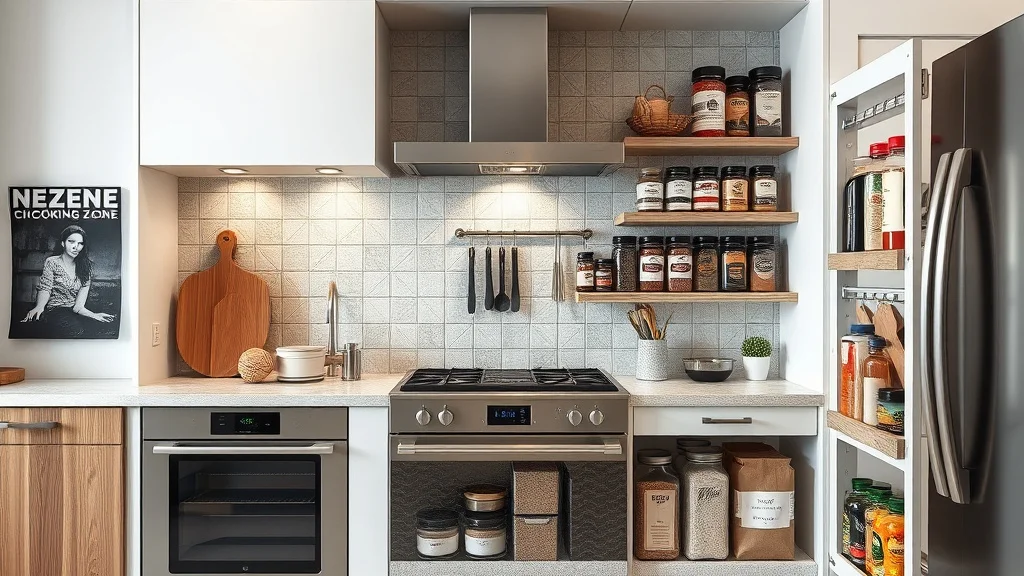
In today’s fast-paced world, the kitchen often becomes a bustling hub of activity. For culinary enthusiasts and busy households alike, maintaining an organized and efficient cooking zone is crucial. Spices and seasonings, the unsung heroes of any flavorful dish, can quickly turn a kitchen into chaos if not stored correctly. This article serves as a comprehensive guide, offering insights and measurement tips for optimal spice and seasoning storage. Whether you are renovating your kitchen or simply seeking a more streamlined cooking experience, we delve into effective methods to keep your seasonings accessible and neatly organized while minimizing mess.
Understanding Your Kitchen Space
The first step towards organizing your seasoning packets involves understanding your kitchen’s available space. Kitchens can vary significantly in size and layout, influencing how you store your spices. Begin by evaluating the dimensions of your countertops, cabinets, and potential storage areas dedicated to spices. Measure available shelf space within cabinets and consider the accessibility of these areas when cooking. Ensure your solutions allow you to grab a spice quickly without disrupting your workflow.
Identifying Your Spice Collection Needs
Not all spices are created equal in terms of size and frequency of use. Consider the types of spices and seasoning packets you regularly use: do you have an expansive variety or focus on a few key ones? Grouping spices by type or frequency of use will help you determine the best organizational method. Additionally, note any unique sized packets or containers, as these will require distinct storage solutions. Tailoring your organization strategy to your specific needs will enhance both aesthetics and efficiency.
Choosing Between Storage Options
Once you have assessed your kitchen space and spice collection, it’s time to choose a storage solution. Two popular options are drawer organizers and wall-mounted shelves. Each comes with its own benefits and considerations, making it essential to evaluate which aligns with your kitchen’s dynamics and personal preferences.
Comparison of Spice Storage Options
| Feature | Drawer Organizers | Wall-Mounted Shelves |
|---|---|---|
| Space Utilization | Uses vertical depth, ideal for small kitchens. | Utilizes wall space, freeing up counters or drawers. |
| Accessibility | Easy to pull out, visually organized. | Quick to grab and replace items. |
| Aesthetic Appeal | Hidden, maintains a clean look. | Can be styled decoratively, enhances kitchen ambiance. |
| Installation Ease | Simple installation, fits most drawer sizes. | Varies by design, may require wall drilling. |
Making the Most of Drawer Organizers
Drawer organizers present an efficient way to store seasoning packets in a discreet manner. Available in various sizes and materials, these organizers can be tailored to your specific needs. They keep spices upright and labeled for easy identification, minimizing the risk of spills. Consider investing in adjustable or customizable organizers, which can evolve as your spice collection grows. Additionally, using labels on jars or packets can further streamline identification, saving time during meal preparation.
- Choose durable materials like bamboo or high-grade plastic.
- Opt for adjustable compartments for flexibility.
- Label each compartment clearly.
Optimizing Wall-Mounted Shelves
Wall-mounted shelves can transform underutilized wall space into a functional and stylish spice storage area. They offer high visibility and keep spices within easy reach, simplifying cooking processes. When choosing shelves, consider the material and mounting method to ensure they support the weight of your spices. Style your shelves with uniform jars or containers, maintaining an aesthetic appeal while ensuring functionality. Regularly rotating and organizing the jars based on frequency of use can enhance efficiency.
- Install at a comfortable reach to avoid accidents.
- Ensure shelves can support the weight of all items.
- Group spices in an intuitive manner.
Categorizing Your Spices and Seasonings
Effective seasoning storage begins with categorization. Group your spices by cuisine, function, or frequency of use. This ensures you can quickly locate what you need without sifting through numerous jars or packets. By adopting a modular approach, where each category has its designated area, you can maintain order even during the most chaotic cooking sessions. Reassess your categorization every few months to accommodate new additions or changing culinary preferences.
- Categorize by cuisine: Asian, Italian, Mexican, etc.
- Organize by usage: Everyday vs. special occasion.
- Adapt categories to suit evolving cooking habits.
Labeling Techniques for Ease of Use
Labels are crucial when it comes to keeping your spices organized. They provide clarity and speed up the cooking process, avoiding mishaps like using cayenne pepper instead of paprika. Use clear, waterproof labels that withstand kitchen environments. Employ consistent sizing and font for a uniform look across your spice storage. If you prefer a more personalized touch, consider using chalk labels, which allow for easy updates as your collection evolves.
- Opt for waterproof, durable labels.
- Maintain consistent font style and size.
- Consider reusable chalk labels for flexibility.
Utilizing Clear Containers for Visibility
Clear containers ensure that spices are easily identifiable without having to open each one. This method not only hastens the cooking process but also adds an aesthetic dimension to your kitchen. Ensure these containers are airtight to preserve the freshness and vibrancy of your spices. Stackable containers optimize space, making them ideal for both drawer organizers and wall-mounted shelves. Regularly check for any signs of wear or clumping, as these could indicate compromised seals.
- Invest in airtight, clear containers.
- Consider stackable designs to save space.
- Regularly check container seals for freshness.
Incorporating Innovative Storage Solutions
Beyond traditional storage solutions, consider innovative methods to keep your spices in check. Magnetic spice racks can be affixed to the side of a fridge or metal backsplash, providing easy access without occupying valuable counter space. Tiered shelf organizers create a stair-step effect in cabinets, maximizing visibility from front to back. Pull-out spice racks within cabinets offer a blend of accessibility and discretion, ensuring your cooking zone remains tidy. Check prices on Amazon
- Try magnetic strips on walls or cabinetry.
- Utilize tiered shelving for depth visibility.
- Consider pull-out racks for convenient access.
Maintaining and Updating Your Storage System
Even the best storage systems require regular maintenance. Periodically assess your spice collection, discarding any expired or infrequently used items. Clean your storage containers to remove any residue that may impact flavor. Updating your storage layout as your culinary preferences change ensures ongoing efficiency and satisfaction in your cooking zone. A quarterly review can help sustain a dynamic and responsive kitchen environment.
- Regularly check for expired spices.
- Clean containers to prevent residue buildup.
- Reorganize to accommodate new spices.
Frequently Asked Questions
What is the best way to organize a small spice collection?
For a small collection, consider a magnetic rack or a compact drawer organizer, allowing easy access and efficient use of space.
How often should I check for expired spices?
It’s best to review your spices every three to six months, discarding any dulled or expired items to maintain freshness.
Are there specific containers recommended for spice storage?
Airtight, clear containers are ideal as they maintain freshness and allow easy identification at a glance.
How can I make my spice organization aesthetically pleasing?
Use uniform containers and consistent labeling, and consider organizing by color or size for a visually appealing setup.
Is it necessary to group spices by cuisine?
While not necessary, grouping by cuisine can enhance cooking efficiency and reduce preparation time.
Can I store my spices above the stove?
It’s best to avoid storing spices above the stove due to fluctuating heat and humidity, which can degrade their quality.
What materials should I avoid for spice racks?
Avoid materials that may warp or rust, like low-grade metals, especially in humid kitchen environments.
How do I deal with spice packets of unusual sizes?
Customizable organizers or baskets can accommodate various sizes, ensuring all packets are neatly contained.
Final Thoughts
An effective spice and seasoning storage solution can transform your kitchen from chaotic to harmonious. By examining your space, tailoring your storage solutions, and maintaining a regular evaluation routine, you can create a functional and aesthetically pleasing cooking zone. Whether you opt for drawer organizers, wall-mounted shelves, or a combination of innovative methods, the key is to keep your spices accessible and organized. Implementing these tips will ensure that your kitchen remains a dynamic and stress-free environment, allowing you to focus on what truly matters: cooking and savoring delicious meals with ease.
