

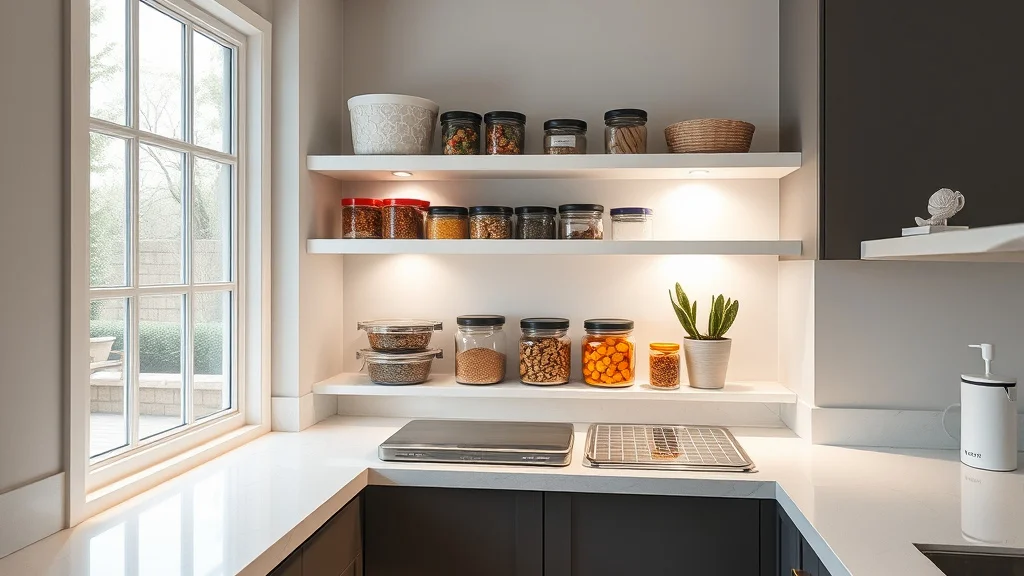
In today’s busy world, where convenience and efficiency are paramount, organized kitchen storage isn’t just a luxury—it’s a necessity. When it comes to storing food containers and their lids, the challenge often lies in preventing duplication and ensuring easy access. Duplicates can clutter your storage space, making it difficult to locate what you need when preparing meals. In this article, we will explore effective strategies to store food containers and lids to optimize space and enhance efficiency in your kitchen.
Understanding the Problem of Food Container Duplication
Before diving into solutions, it’s crucial to understand why duplicates occur in the first place. Often, households buy containers in bulk without realizing the redundancy. Over time, missing lids, mismatched sets, and the accumulation of different brands contribute to a disorganized kitchen storage space. Identifying your precise needs and sticking to them is the first step toward resolving this issue.
Importance of an Organized Kitchen
An organized kitchen isn’t just visually appealing—it significantly impacts your cooking efficiency and overall peace of mind. When every item has a designated place, it reduces stress during meal preparation and helps avoid unnecessary spending on duplicates. Moreover, it allows you to utilize your kitchen space more effectively.
Types of Food Containers
The type of food containers you choose can significantly influence your storage strategy. Primarily, containers can be categorized into two: plastic and glass. Each has its advantages and considerations:
| Feature | Plastic Containers | Glass Containers |
|---|---|---|
| Durability | Less durable; prone to warping or staining. | Highly durable and long-lasting. |
| Weight | Lightweight and portable. | Heavier; more stable but less portable. |
| Price | Generally economical. | More expensive but cost-effective in the long run. |
| Use Cases | Great for Lunchboxes, picnics. | Ideal for oven use and storing leftovers. |
Evaluating Your Container Needs
Start by evaluating your actual needs before purchasing storage containers and lids. Consider the types of food you typically store, your family size, and your meal prep routine. This evaluation will guide you in purchasing the correct sizes and quantities of containers, thereby minimizing the chances of duplicates in storage.
Sorting and Decluttering
Regularly sort through your existing containers. Remove those with missing pairs—such as a missing lid or base—and those that are unused or outdated. Decluttering should be a regular exercise to maintain an efficient storage system. Encourage a monthly or bi-monthly review of your kitchen storage items to ensure everything has a purpose.
Labeling Containers
Labeling is an effective way to organize your storage system. Use clear, adhesive labels to record the type of contents typically stored in each container. Labels help in quickly identifying containers, hence speeding up meal prep times and ensuring nothing is left to go waste in the fridge or pantry.
Utilizing Storage Solutions
There are innovative storage solutions tailored for food containers and lids:
- Pull-Out Drawer Organizers: Perfect for maximizing under-counter storage by keeping lids and bases separately but within reach.
- Vertical Organizers: Ideal for storing lids upright, similar to file organizers, giving you quick access and visibility.
- Adjustable Shelf Dividers: Flexible for various cupboard sizes and help in maintaining segregated areas for containers and lids.
Storing Lids Efficiently
Lids often take up less space, yet they’re the most frequently lost item. Consider stacking containers without lids and placing all lids sorted by size in a single, easy-to-reach location. This strategy not only saves space but reduces the time spent finding matching pairs during meal prep.
Electronics and Digital Solutions
Incorporate digital solutions such as inventory apps to track your container usage. These apps can remind you of expiry dates, upcoming restocks, and automate your shopping list to prevent duplicitous purchases. While not a traditional method, digital solutions complement physical organization significantly.
Creating a Container Inventory
Maintaining an inventory helps in assessing what you already have versus what you need. Write down your container sizes, shapes, and quantities. This list will serve as a management tool, helping you decide whether to purchase new containers or lids and identify frequent loss patterns. Check prices on Amazon
Embrace Minimalism
Adopt a minimalistic approach when it comes to kitchen storage. This might mean having fewer but high-quality containers that serve multiple functions. This approach reduces clutter and the potential for duplicates. Quality often trumps quantity.
Educational Aspect and Involvement
Encourage household members to participate in maintaining organization. Teach children and other family members about efficient storage practices—such as proper stacking, sorting, and retrieval methods. Participation ensures everyone is responsible for keeping the kitchen tidy.
Frequently Asked Questions
How can I prevent my food containers from staining?
Using glass containers or those labeled as stain-resistant for foods like tomato sauce can mitigate staining. If using plastic, rinse containers immediately after use with warm, soapy water.
What’s the best way to clean sticky lids?
Use a mixture of vinegar and baking soda on the lids, then scrub gently with a brush. This solution effectively tackles stickiness and odors.
Why should I label my containers?
Labeling helps in quick identification and prevents food waste. It also aids in meal prep by allowing you to find the required contents effortlessly.
How many container sets should a typical household have?
The number depends on your routine. Minimalists recommend around five to seven versatile sets, but this can vary based on household size and meal prep needs.
Are glass containers safer than plastic?
Glass containers are free from chemicals like BPA often found in certain plastics, making them safer for both food storage and reheating.
What should I do with container duplicates?
Consider donating duplicates to local shelters or charities. Alternatively, utilize them for non-food storage purposes, such as organizing office supplies or tools.
How do I maintain an organized container drawer?
Use adjustable dividers and dedicated spaces for each type of container and lid. Regularly reassess and reorder to keep maintaining organization.
Can I recycle my old food containers?
Recycling depends on the material. Not all plastics are recyclable, but glass and some high-density plastics usually are. Check local recycling guidelines for specifics.
Final Thoughts
Creating a strategy for storing food containers and lid storage not only enhances kitchen efficiency but also induces a sense of control over your cooking space. By following the strategies discussed—like regular decluttering, smart purchases, and using innovative storage solutions—you can minimize duplicates and maintain an organized and functional kitchen. Incorporating these insights will help streamline your meal prep efforts and elevate your kitchen experience.
