
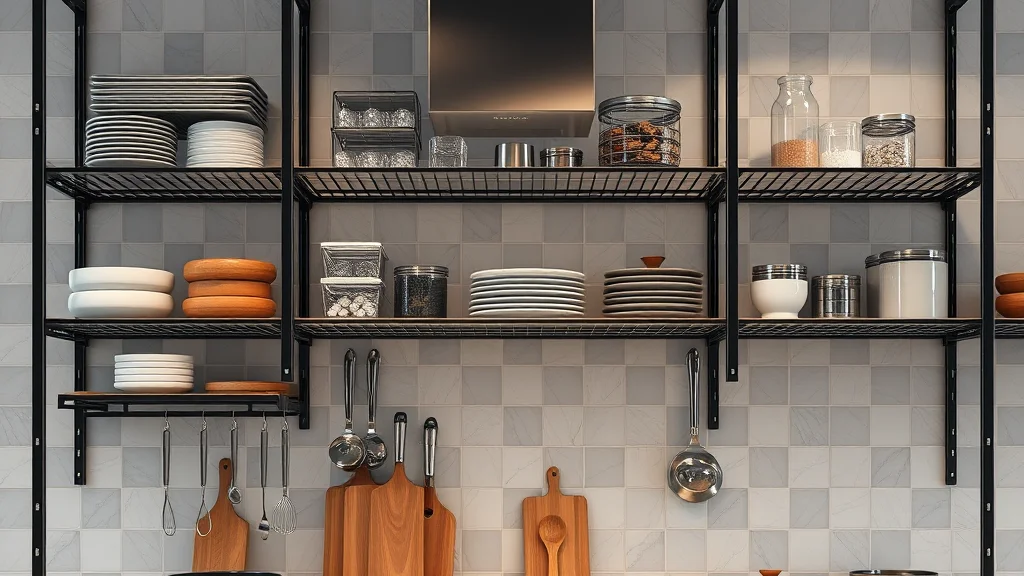
In the fast-paced world of commercial kitchens, organization and efficiency are of paramount importance. The proper use of kitchen racks and shelves can drastically improve the workflow, ensuring that chefs and kitchen staff have everything they need at their fingertips. From boosting storage capacity to enhancing safety, the right shelving solutions play a critical role in maintaining a pristine and orderly kitchen. Whether you’re running a bustling restaurant, a cozy cafe, or a catering service, understanding the options available and their benefits can lead to more informed purchasing decisions. This guide will help you dive into the multifaceted world of commercial kitchen racks and shelves.
The Role of Racks and Shelves in a Commercial Kitchen
Commercial kitchens are bustling environments where efficiency and speed go hand in hand. The role of racks and shelves here is pivotal. They serve as the backbone of storage, allowing easy access to ingredients and cooking utensils. When products are stored efficiently, it minimizes search time, thereby expediting the cooking process. Shelves help categorize and segregate items, reducing clutter. The orderly arrangement not only improves workflow but also ensures compliance with health and safety regulations, as everything has its designated place, reducing the risk of contamination.
Types of Commercial Kitchen Racks
Understanding the different types of racks available is crucial when setting up a commercial kitchen. The primary types include shelving units, wall racks, and specialized racks for items like pots and pans. Shelving units offer the flexibility of moving storage locations where needed. Wall racks utilize vertical space, ideal for cramped areas. Specialized racks can help declutter specific items, ensuring they are stored safely and are easily reachable. Each type has its benefits, and choosing the right one depends on the specific needs of your kitchen.
Material Considerations
The material of the shelving used in a commercial kitchen is an essential aspect that influences durability and hygiene. Common materials include stainless steel, chrome, and polymer. Stainless steel is a popular choice due to its rust-resistant properties and ease of cleaning. Chrome shelves are lighter and often more cost-effective, while polymer shelves provide flexibility in design and resistance to some chemical exposures. Selecting the right material is pivotal for maintaining cleanliness and longevity, depending on the kitchen environment they are placed in.
| Type | Pros | Cons |
|---|---|---|
| Stainless Steel Racks |
|
|
| Chrome Racks |
|
|
Factors to Consider When Buying Kitchen Racks
When purchasing kitchen racks for a commercial setup, numerous factors must be taken into account. First, analyze the available space and the weight the racks need to hold. Opt for adjustable units if your storage needs frequently change. Next, consider the load-bearing capacity. Heavier items require sturdy shelving. Lastly, the ease of assembly and reconfiguration plays a role, especially when kitchen layouts are frequently updated. Keep these in mind to ensure your racks and shelving complement the running of your kitchen instead of hindering it.
Durability and Longevity
The durability of kitchen racks is directly tied to the materials used and their design. High-quality stainless steel and polymer units are renowned for their longevity, often lasting years with proper maintenance. Assessing the manufacturer’s warranty is a good indicator of expected lifespan. Proper cleaning and safe installation also play roles in extending the usability of your racks. Regular inspections for rust, hinges, and connections can prevent potential issues down the line, ensuring they remain safe and functional.
Maintenance Needs
Maintaining your kitchen racks ensures they continue to function and do not become health hazards. Regular cleaning, particularly in a humid environment, prevents bacterial growth and rust. Use appropriate cleaning agents for the material in question; harsh chemicals might compromise some surfaces like chrome. Routinely check for any structural issues, ensuring screws and adjustable parts remain tight. Consistent maintenance extends the life of shelves and keeps your kitchen compliant with health standards.
Safety and Compliance
Safety in a commercial kitchen is paramount, and proper shelving is integral to this. Proper shelving contributes to minimizing slip hazards by reducing clutter. Understand and adhere to regulatory guidelines regarding spacing, material safety, and storage protocols for food items. Shelves must be accessible but not impede foot traffic, avoiding workplace accidents. Use compatible liners when storing raw foods to prevent cross-contamination. Compliance with these regulations not only ensures staff safety but also aligns with health inspectors’ requirements.
Installation and Configuration
Installing commercial kitchen racks effectively requires planning. Determine the optimal layout to maximize space while ensuring accessibility. Bolt-down options provide added stability for heavy-duty storage needs. If using wall-mounted racks, ensure studs are properly employed for fixing, providing optimal support. Keep the configuration flexible where possible; shelves on adjustable tracks facilitate changes in storage requirements. Professional installation might be required for complex setups, guaranteeing safety and adherence to regulations.
Cost Versus Value
The cost of commercial kitchen racks and shelves can vary widely, often reflecting the materials used, brand reputation, and custom features. While premium options might seem expensive upfront, their durability and reduced maintenance need often result in cost savings over time. Assess needs carefully before purchase; high-value does not always equate to expensive solutions. Consider future growth, choosing systems versatile enough to adapt to increased demands without necessitating additional purchases. Check prices on Amazon
Innovative Solutions in Racking Systems
Innovation in kitchen racking systems has led to increased efficiency and better utilization of space. Modulable systems allow for creative configurations that tailor storage units to specific kitchen needs. Integrating technology, such as sensors for inventory management, enhances organizational capacity, helping track stock levels in real-time. For ambitious kitchens, innovative systems pave the way for streamlined operations, boosting productivity and optimizing storage solutions.
Frequently Asked Questions
What is the best material for commercial kitchen racks?
Stainless steel is often considered the best due to its durability, resistance to stains, and ease of cleaning.
How much weight can commercial kitchen shelves hold?
Weight capacity can range widely but typically varies between 600 to 800 lbs per shelf, depending on the material and design.
Are adjustable shelves worth it?
Yes, adjustable shelves are beneficial for changing storage needs, allowing for customization of space and optimizing storage capacity.
How can I prevent rust on metal racks?
Regular cleaning, keeping shelves dry, and applying a rust-proof coating can prevent rust on metal kitchen racks.
What kind of racks are best for small kitchens?
Wall-mounted racks and vertical shelving solutions are ideal for small kitchens, optimizing space without ground clutter.
Can I install kitchen racks myself?
While some racks can be installed DIY, complex or heavy systems might require professional installation to ensure safety.
Do I need specialized racks for pots and pans?
Yes, specialized racks help declutter and keep pots and pans organized and accessible, especially in busy kitchens.
How often should kitchen shelves be cleaned?
Kitchen shelves should be cleaned regularly depending on use; at least once a week is ideal to maintain hygiene.
Final Thoughts
Choosing the right commercial kitchen racks and shelves is not merely about selecting storage solutions; it’s about optimizing your kitchen’s efficiency, safety, and compliance with health regulations. Carefully consider your specific needs, available space, and budget to find a solution that enhances your kitchen’s function. Remember, well-organized storage systems help maintain a smooth workflow, contributing to a better working environment and overall higher productivity. Invest wisely, evaluate regularly, and adjust configurations as your business grows to keep your kitchen functioning at its best.
