

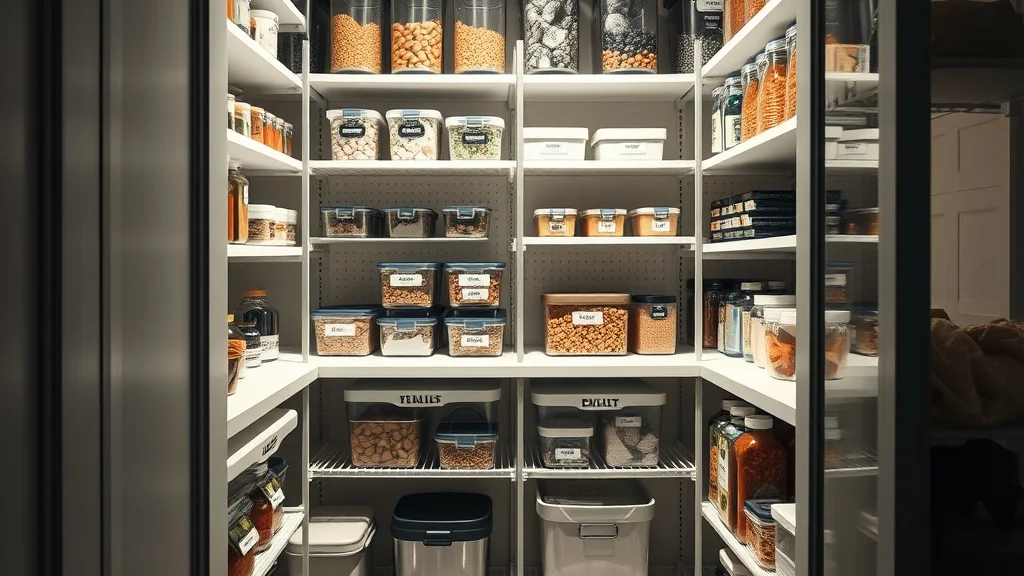
Getting your pantry organized is akin to setting the foundation for a smooth-running kitchen. However, creating an effective system isn’t just about buying fancy containers or chic labels. When not executed properly, a pantry system can lead to chaos rather than order. This article delves into common mistakes made while building a system for pantry labels and containers, offering insights on how to avoid them. Whether it’s choosing the wrong containers or applying labels incorrectly, understanding these pitfalls can revolutionize your kitchen experience.
Understanding Pantry Systems and Labels
Before jumping into organizing your pantry, it is crucial to understand what a pantry system entails. A well-organized pantry does not just look good; it enhances the kitchen’s efficiency. Pantry systems include the containers you use, how you label them, and the overall arrangement. Efficient systems vary greatly based on personal needs and the pantry space. For instance, a small apartment kitchen would have a significantly different setup from a large family kitchen.
Importance of the Right Containers
Containers are the backbone of any pantry organization system. Selecting inappropriate containers can lead to suboptimal use of space and difficulty finding items. The right containers need to fit the designated pantry area and suit the materials they’re holding. For example, airtight containers are necessary for grains to maintain freshness, while stackable containers maximize space usage. It’s easier to identify mistakes if you forget to measure the space before buying containers or misjudge the shape needed for efficient organization.
Comparison of Plastic vs. Glass Containers
| Feature | Plastic Containers | Glass Containers |
|---|---|---|
| Durability | Less fragile, lightweight | Fragile, heavier |
| Visibility | Generally opaque, some are transparent | Completely transparent |
| Cost | More affordable | More expensive |
| Environmental Impact | Non-biodegradable | Recyclable |
| Versatility | Variety of colors and sizes | Limited variations |
Choosing the Correct Labels
Labels are imperative in maintaining an organized pantry. However, a common misstep is choosing labels that don’t cater to the specifics of your pantry’s layout or your personnel’s language needs. While handwritten labels may suffice in some situations, they can appear messy and uncoordinated. Additionally, waterproof labels are essential in environments that might get damp.
Mistakes with Label Placement
Label placement plays a significant role in pantry organization. Misplacing labels can lead to confusion and disorganization. Instead of sticking labels randomly, they should be placed where they are easily visible. A great tip is to put labels at eye level and where they are visible even when the containers are stacked.
Neglecting Accessibility
Accessibility is another dimension often overlooked. A pantry system where commonly used items are hard to reach loses its functionality. Make fruits, snacks, and daily ingredients accessible by placing them on lower, eye-level shelves or near the pantry entrance. Less frequently used items can be stored higher up or deeper inside.
Ignoring Maintenance Needs
The beauty of an organized pantry is short-lived if maintenance is not considered. Many make the mistake of stopping once the initial setup is complete. However, regular maintenance is crucial to keep things tidy. Set a simple routine, like performing a quick check and restock every week or bi-weekly, to keep things running smoothly.
Overlooking Expiration Dates
Expiration dates are critical, and not paying attention to them can lead to a pantry that is chaotic and filled with unwanted items. When organizing your pantry, ensure that products nearing expiration are at the front for easier access. Labels should also be updated to reflect changes in product shelf life.
Using Inconsistent Systems
Consistency in your pantry systems is key. Using varied containers and labels without a theme can create disorder. Rather, select a theme or color scheme that works best for your kitchen and stick with it. This not only improves aesthetic appeal but simplifies the organizational process.
Ignoring Family Needs
Remember, a pantry is often a shared space. Building a system without considering the needs of all family members is a frequent misstep. Make sure to build a system that is intuitive and usable not just for you but your entire household, considering the height and capability of each family member.
Check prices on Amazon
Getting Distracted by Trends
Following trends can sometimes lead to inefficiency if the style does not align with your personal needs. What works for an influencer or a magazine might not work for you, so it’s important to draw inspiration while prioritizing functionality and personalized design over trendy setups.
Frequently Asked Questions
What is the most common mistake in pantry organization?
The most common mistake is neglecting to measure the pantry space before purchasing containers, leading to wasted space and disorganization.
How often should I reorganize my pantry?
It’s advisable to review and reorganize your pantry every 3-6 months, depending on usage, to accommodate new items and eliminate expired products.
Are glass containers a better choice than plastic ones?
Glass containers provide a more sustainable choice with better transparency but are heavier and more fragile. Plastic might be more versatile but less environmentally friendly.
Where should labels be placed on containers?
Labels should be on the front and at eye level to ensure they are easily visible, even when containers are stacked.
How can I ensure that expiration dates are not neglected?
Make it a priority to keep products with soon-to-be expiration dates at the forefront and regularly update your labels when changes occur.
What type of labels work best for pantry containers?
Durable, waterproof labels are recommended to withstand kitchen environments, ensuring longevity and clarity of information.
Why is my pantry always disorganized despite labeling?
Inconsistent labels, improper container choices, and failing to maintain order regularly can lead to disorganization despite labeling.
How do I ensure the pantry is accessible to all family members?
Involve family input in organization and ensure commonly used items are placed within the easy reach of all users, considering individual capabilities.
Final Thoughts
Crafting a pantry organization system demands thoughtful planning, an understanding of personal and kitchen needs, and the right blend of containers and labels. By steering clear of common mistakes like neglecting space measurement, improper label placement, and selecting incompatible container types, you streamline kitchen functionality. With regular maintenance and consideration of all users in the home, a well-organized pantry isn’t just a place for storage but a harmonious element of daily life.
