
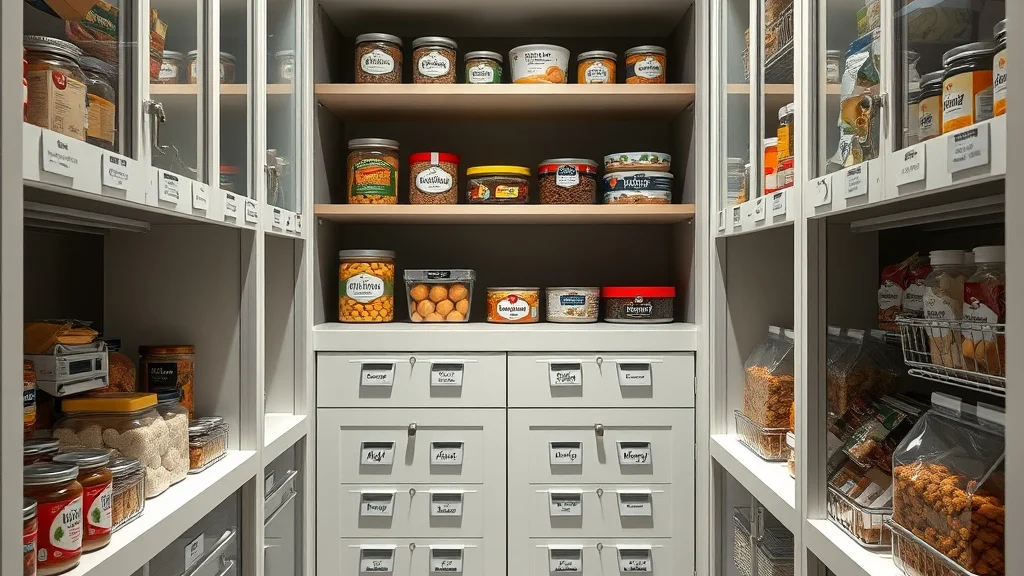
Amidst the chaos of everyday life, the need for organized spaces is more pressing than ever. A pantry, often the heart of the kitchen, requires structure not only to maximize space but also to provide a clear inventory of what’s at your disposal. With the rising trend of bulk shopping, managing a pantry efficiently becomes paramount. One of the keys to success is implementing an effective labeling system alongside a robust inventory management approach. This ensures that every item is easily accessible, preventing wastage and helping you make optimal use of your purchases. This article will delve into pantry label systems suited for bulk inventory, offering solutions that cater to any household size or style.
The Importance of Pantry Organization
Organizing your pantry can transform your culinary experience and simplify meal preparations. A well-organized pantry means you can locate ingredients quickly and recognize when to replenish staples. For bulk shoppers, it aids in maintaining a balanced stock, minimizing over-purchasing and associated waste. When effectively organized, a pantry eliminates clutter, enhances accessibility, and makes cooking more efficient. Implementing systematic labels as part of your pantry organization efforts can make a significant difference in maintaining an orderly space.
Why Consider Bulk Shopping?
Bulk shopping offers numerous benefits, from cost savings to reduced packaging waste. For families or individuals who use large quantities of staples regularly, buying in bulk ensures savings over time. Moreover, it is an environmentally friendly choice as it reduces single-use packaging. However, bulk shopping necessitates proper storage solutions to ensure freshness and prevent spoilage. Effective label systems become crucial here to track stock levels and expiration dates, making organization and inventory tracking seamless.
Essential Components of a Pantry Label System
- Clarity: Labels should be easy to read with critical information like product name and expiration date.
- Durability: Use materials that can withstand pantry conditions, such as humidity and handling.
- Style: Match labels with your pantry’s aesthetic for a cohesive look.
- Consistency: Uniform labels help in quickly identifying items and maintaining order.
Types of Pantry Label Systems
A myriad of pantry label systems exist, ranging from simple handwritten labels to advanced digital solutions. The choice largely depends on your comfort and technological inclination. Below, we compare two prevalent types: Traditional Write-on Labels and Digital Label Makers.
| Feature | Traditional Write-on Labels | Digital Label Makers |
|---|---|---|
| Initial Cost | Low | High |
| Ease of Use | Straightforward | Requires familiarization |
| Flexibility | Limited to label sheets/stickers | Highly customizable |
| Durability | Moderate | High |
| Updating Content | Manual rewriting | Easy with reprinting |
Traditional Write-on Labels
Traditional write-on labels are favored for their simplicity and low cost. They require only basic supplies such as a pen and adhesive labels, making them accessible to anyone. This system involves writing by hand, which adds a personal touch. Although the method is straightforward, it may not be suitable for frequent updates due to the manual rewriting involved.
Using Digital Label Makers
Digital label makers offer a sophisticated alternative, providing sleek and uniform labeling solutions. These devices allow users to design and print labels with ease, offering advanced customization in terms of font, size, and style. While the initial investment is higher, they save time and effort in the long run, especially for substantial pantries needing frequent updates.
Integrating Technology in Pantry Organization
Alongside labeling, technology can enhance pantry organization. Apps for inventory management can track stock levels and alert you to expiration dates, syncing seamlessly with digital labeling systems. These tools automate the inventory process and make it easier to maintain an accurate record of pantry items.
Inventory List Management
An effective inventory list ensures that you are aware of supply levels at all times. This promotes better meal planning and reduces the likelihood of overbuying or running out of essential ingredients. Keeping a digital inventory alongside physical labels provides a dual system of management, making it convenient to keep your pantry well-stocked.
Best Practices for Maintaining a Pantry Inventory
- Regular Audits: Conduct monthly checks to ensure inventory accuracy.
- First In, First Out (FIFO): Rotate stock to use older items first, minimizing waste.
- Expiration Checks: Verify and update expiration dates as needed.
- Consistent Labeling Style: Use a uniform labeling technique for easy identification.
Personalizing Your Label Style
Labels can be more than just functional; they offer an opportunity to enhance your pantry’s aesthetic. Choose a font and color scheme that complement your kitchen decor. Customization options, especially with digital labels, allow for creativity, turning mundane tasks into enjoyable projects that reflect your personal style.
Troubleshooting Common Labeling Problems
Poor adhesion, fading ink, and smudging are common issues with labels. Selecting high-quality materials, waterproof inks, and ensuring surfaces are clean before application can prevent these issues. Regularly evaluating the condition of your labels ensures longevity and clarity. Check prices on Amazon
Transitioning to a New Label System
Moving to a new labeling system can be daunting but planning and gradual implementation can ease the process. Start by labeling new stock with your preferred system, slowly transitioning older items. This method ensures that inventory discrepancies are minimized and reduces confusion.
Frequently Asked Questions
How often should I update my pantry labels?
It depends on how frequently your stock changes, but generally, it’s recommended to update every time you replenish or recognize a change in stock items.
What information should I include on a pantry label?
Include the name of the item, the purchase date, and the expiration date. Optionally, you can add nutritional information or cooking instructions if space permits.
Are there label systems that are more suitable for certain climates?
For humid climates, consider waterproof labels or laminated options to prevent deterioration over time.
Can I use a digital label maker for all types of containers?
Yes, digital label makers are versatile and can be used for various container sizes and materials, as long as the label stock is appropriate.
Is bulk shopping always more economical?
Not always. It’s economical for non-perishables that you use frequently but can lead to waste if perishables aren’t used before spoiling.
How can I ensure my handwriting labels are legible?
Use a good quality marker with a fine tip and write slowly to ensure clarity and legibility on each label.
What’s the best way to remove old labels without damaging containers?
Soak the containers in warm soapy water or use a gentle adhesive remover for stubborn residues without damaging the containers.
Are there eco-friendly label options?
Yes, look for labels made from recycled materials or those that are easily biodegradable to maintain an eco-friendly pantry.
Final Thoughts
Crafting and maintaining a well-organized pantry, especially for bulk shopping, hinges on your ability to implement a reliable and clear labeling system. Whether opting for traditional or cutting-edge digital solutions, your labels should enhance usability, accessibility, and appeal of your pantry space. By employing the strategies discussed and choosing appropriate tools, you can achieve a streamlined pantry, transforming it into an efficient and aesthetically pleasing hub for your household needs.
