

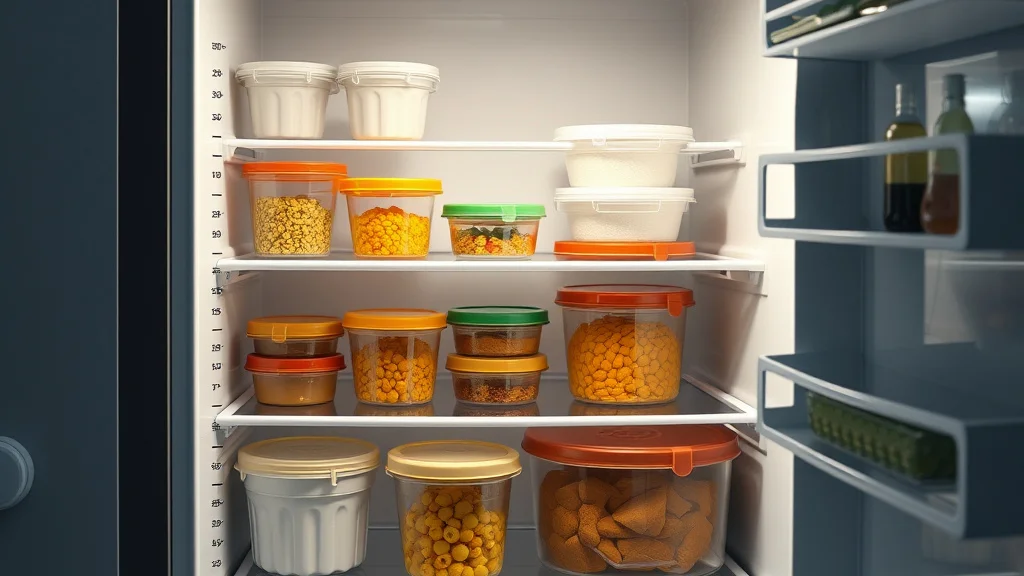
In today’s fast-paced world, keeping the fridge organized often becomes a secondary concern. It’s common to open the fridge and find mismatched food containers and lids scattered or piled up inefficiently. Not only does this make it difficult to find what you need, but it also wastes time and sometimes, valuable food. Whether you are a seasoned home organizer or someone trying to make sense of fridge clutter for the first time, this comprehensive guide will walk you through everything you need to know about organizing food container and lid storage in your fridge zone. We will delve into types of storage solutions, ideal measurement techniques, and setting up a system that keeps your fridge functioning like a well-oiled machine.
Understanding Your Fridge’s Space
Before diving into organizing, it’s essential to understand the available space in your fridge. Refrigerators come in all shapes and sizes, and their internal design varies. Knowing the exact dimensions of your shelves and compartments helps tailor storage solutions effectively. Measure the width, depth, and height to ensure seamless fit and function. Use a tape measure or a measuring app on your phone and note these dimensions down. Once you have the dimensions, you can assess what will fit best in your space.
Types of Food Containers
Choosing the proper food containers is pivotal to maintaining an organized fridge. Food containers typically fall into two categories: plastic and glass. Each comes with its own set of advantages and drawbacks.
| Feature | Plastic Containers | Glass Containers |
|---|---|---|
| Durability | Less durable and may warp over time. | Highly durable and long-lasting. |
| Safety | Potential BPA concerns; opt for BPA-free options. | Generally considered safer for food storage. |
| Weight | Lightweight | Heavy |
| Cost | More affordable | Often more expensive |
| Aesthetic Appeal | Available in various colors and patterns. | Provides a classic, clean look. |
Evaluating Lid Compatibility
No fridge organization is complete without matching lids. A significant source of clutter is mismatched lids and containers. Consider buying containers that come with universal lids or lids that fit multiple sizes of containers. Keep a dedicated space within the fridge or nearby to store these lids separately, making them accessible and reducing the chance of mismatch.
Stackable Solutions
Stacking containers not only optimize space, but they also offer a tidy visual appeal. Look for containers that nest well when not in use and are stackable with lids on. It’s efficient to choose a set from the same brand to ensure uniform stacking. Avoid stacking too high, as this can lead to instability and potential accidents within the fridge.
Labeling Containers
Organized storage isn’t just about space use—it’s about ease of access. Labeling the containers can positively impact your search time, especially in a busy household. You can use simple labeling tape or invest in a label maker for a professional touch. Ensure the labels are durable enough to withstand the cold and don’t fade over time.
Incorporating Bins and Dividers
Bins and dividers are excellent tools for dividing space in a meaningful way. They help segregate areas for specific container types or categories of food, making it easier to maintain an organized layout. For example, dedicate separate bins for meal-prep containers, leftovers, and snacks. Alternatively, you could use dividers to adapt a larger shelf into smaller, specified zones.
The Role of Shelf Liners
Shelf liners serve as a protective layer for your fridge shelves. They make cleaning a breeze and add a layer of friction that helps prevent containers from sliding out easily when opening the fridge. Choose liners that are easy to wash and can be sized to fit your specific shelf dimensions.
Organizing According to Frequency of Use
Place frequently used food containers and lids at the front for easy access while storing less frequently used items toward the back. This system optimizes your interaction with your fridge and reduces the time spent rummaging for items, maintaining the organized system you’ve put in place.
Implementing a Regular Maintenance Schedule
Like any other organizational system, ensuring that it stays in place requires regular maintenance. Make it a habit to reorganize your fridge weekly. A quick 7-minute reset to ensure everything is in its correct place and nothing has started to spoil is time well spent. This upkeep prevents slipping back into chaotic storage. Check prices on Amazon
Considering Custom Fridge Storage Options
For those looking to invest a bit more, custom fridge storage solutions offer tailored options that maximize your fridge’s capacities. Engage with a professional to understand how you can fit drawers, pull-out shelves, and custom bins that fit your specific organizational needs. While this may be a higher upfront cost, the customized solution can offer enhanced usability.
Frequently Asked Questions
1. Can mismatched containers and lids cause problems in the fridge?
Yes, mismatched containers and lids can lead to increased chaos and inefficient use of space in your fridge.
2. Why is it important to measure my fridge’s space?
Measuring helps to choose containers and storage systems that fit precisely, optimizing space usage and ensuring a clean look.
3. Are glass or plastic containers better for fridge storage?
Both have their pros and cons. Glass is more durable and provides a classic look, while plastic is lightweight and more affordable.
4. What is a universal lid?
Universal lids are designed to fit multiple sizes or types of containers, reducing the need for multiple mismatched lids.
5. How can I maintain fridge organization long-term?
Regular maintenance, such as a weekly reset and cleaning, ensures that the organization does not dissolve over time.
6. What should I do if I have a small fridge?
Focus on vertical storage with stackable containers, and prioritize items that are essential for your daily needs.
7. How to clean shelf liners effectively?
Shelf liners can be wiped down in place or briefly removed to be cleaned with soapy water and then dried.
8. Can labels damage my containers?
Choose removable labels or label materials designed for extended and safe usage to ensure no damage to your containers.
Final Thoughts
Keeping your fridge zone organized with adequately stored food containers and lids can seem like a daunting task, but with the right strategies and choices, it becomes a straightforward endeavor. By measuring your space, selecting suitable containers, and implementing intentional storage solutions, you open the door to a more efficient kitchen experience. Maintaining this system with regular check-ins and updates will ensure that the effort you put into organizing your fridge is long-lasting, bringing order and convenience to one of the home’s most frequently used spaces.
