

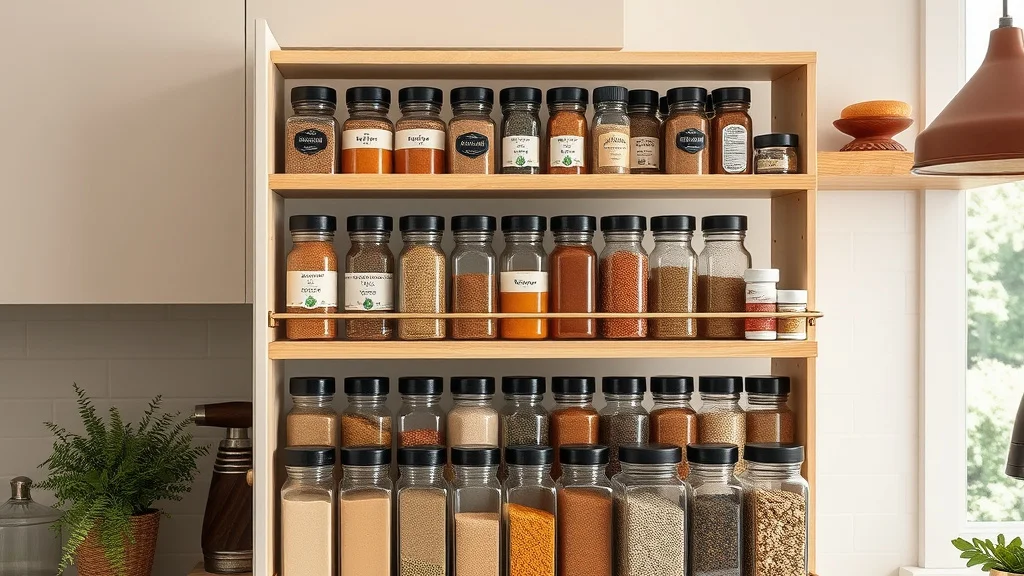
In the fast-paced world of culinary adventures, the essence of a remarkable dish often rests on a well-curated spice arsenal. However, the magic of spices can be easily hampered by disorganization, leading to a chaotic cooking experience. One of the most efficient ways to tackle this problem is by organizing your spices and seasonings by cuisine. This methodological approach not only streamlines your cooking process but also enhances the flavors in your dishes. By grouping your spices according to the cuisines they correspond to, you can swiftly access the ones you need, reducing stress and time in the kitchen. This article delves into the best ways to organize your spice rack by cuisine, ensuring a well-ordered and efficient cooking space.
The Importance of an Organized Spice Rack
Having an organized spice rack is crucial for anyone who enjoys cooking. It improves accessibility and helps in maintaining the freshness of spices. An orderly storage system saves time when preparing meals, eliminating the frustrating search for a specific seasoning. Additionally, it assists in inventory management, reducing the likelihood of purchasing duplicate spices. A well-organized rack also adds aesthetic appeal to your kitchen, making it look pristine and professionally maintained.
Understanding Your Flavor Profile
Before diving into the organization, it is vital to understand your flavor profile. Identifying which cuisines you cook most frequently can guide you in prioritizing spice storage. This introspection into your culinary habits ensures that the spices most crucial to your daily cooking are easily accessible and regularly rotated. Popular cuisines such as Italian, Indian, Thai, or Mexican will likely host a variety of spices on their own, necessitating their compartmentalization on your spice rack.
The Art of Grouping Spices by Cuisine
Grouping spices by cuisine means categorizing and storing them based on the dishes you commonly prepare. This practice enhances efficiency and cooking creativity. You could opt for a plan that separates your spices into groups such as Mediterranean, Asian, Latin American, and others, depending on your culinary preferences. The goal is to create easy-to-reach sections within your spice rack where you can find all ingredients for a particular cuisine in one spot.
Comparison Between Two Storage Options for Spice Organization
| Storage Option | Benefits | Drawbacks |
|---|---|---|
| Wall-Mounted Racks |
|
|
| Drawer Inserts |
|
|
Tailoring Techniques to Fit Personal Needs
Your unique culinary style and kitchen space will define how you should organize your spices. Some may prefer alphabetizing their spices, while others might prefer size or color coordination. Tailoring techniques to fit personal preferences may involve a combination of several methods to ensure the most efficient sequestration of kitchen essentials. Remember, there is no one-size-fits-all approach when it comes to organizing spices, and experimenting with different methods until you find what suits you best is encouraged.
Choosing the Right Containers and Labels
The type of containers and labeling system you use for your spices can greatly enhance organization. Opt for airtight, glass containers that showcase the vibrant colors of spices while protecting them from air and moisture. Label each container clearly with the spice name and cuisine category, perhaps including color-coded stickers for an extra layer of organization. This system helps in quick identification and adds an elegant touch to your spice rack.
The Impact of Spice Shelf Lifespan on Organization
The lifespan of spices should be considered when organizing them. By understanding that ground spices generally last 3-4 years, while whole spices can last up to 4 years, you can prioritize the most frequently used items in more accessible locations. This awareness also helps in managing your spice inventory more effectively by promoting the use of older spices first and restocking supplies before they run out.
Creating a Quick-Access Rack
Implement a quick-access rack to store your most used spices. This can be a small, separate rack located near your preparation area, ensuring that you have the essentials at hand while cooking. Ensure this rack contains core spices used daily across different cuisines such as salt, pepper, cumin, or garlic powder.
Utilizing Vertical Storage Solutions
Maximize your kitchen space by utilizing vertical storage solutions. This can include stackable spice racks, wall-mounted racks, or tiered shelves. Vertical storage optimizes usage of under-utilized space, making it easier to access and sort spices according to cuisine without the clutter of horizontal shelves.
Maintaining Consistent Checkups and Reorganization
Regular checks and reorganization of your spice rack are vital. Make it a part of your monthly routine to check expiration dates, reorganize misplaced spices, and replenish any that are running low. Consistency in maintaining your spice storage ensures that it remains efficient and effective in streamlining your cooking process. Check prices on Amazon
Frequently Asked Questions
How often should I reorganize my spice rack?
Reorganize your spice rack whenever you notice frequent clutter or struggle to find your spices. A monthly checkup is ideal for maintaining order.
Can I store my spices in the fridge or freezer?
For most spices, it is unnecessary to store them in the fridge or freezer. Humidity in such environments may cause clumping or spoilage.
What is the best way to label spices?
Label spices clearly with their name, and consider adding the purchase date or expiration date alongside a color-coded system for cuisine categories.
How can I ensure my spices last longer?
Store spices in a cool, dark place in airtight containers to prolong their freshness. Keep them away from direct sunlight, heat, and moisture.
Do I need separate racks for different cuisines?
Separate racks for each cuisine are not necessary but can be helpful for frequent cooks of multiple cuisines. Using dividers or labeling can also organize within one rack.
Is it okay to keep spices near the stove?
Store spices away from your stove to prevent exposure to heat, which can degrade the quality and flavor intensity of spices over time.
How do I prevent spices from clumping?
Place a few grains of rice in each spice container to absorb moisture and prevent clumping. Ensure spices are stored in dry conditions.
What should I do with expired spices?
It is best to discard expired spices as they lose potency and may not contribute the desired flavor to your dishes.
Final Thoughts
An organized spice rack is an indispensable tool for any cook. By grouping spices and seasonings according to cuisine, you ensure a seamless cooking experience, enriching your dishes with the precise flavors your recipes call for. A few simple, ongoing organizational strategies can transform your kitchen into a well-oiled culinary machine, with spices neatly arranged and easily accessible. Whether you choose wall-mounted racks or drawer inserts, remember that the key is consistency in maintenance and a personal touch to the organization system that suits your cooking style best.
