

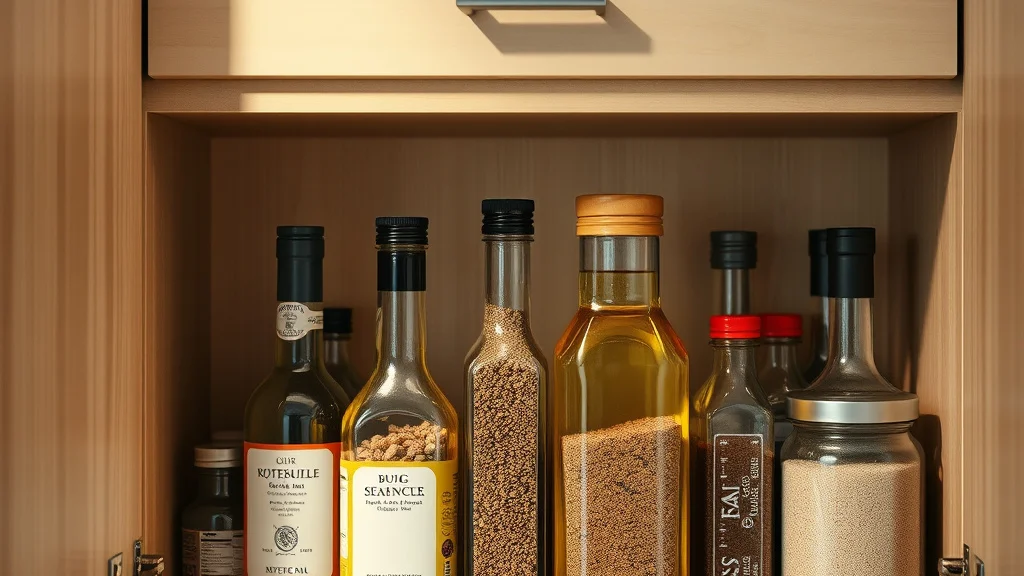
Keeping your kitchen organized can significantly enhance your cooking experience. Among the various elements demanding attention, the storage of spices, seasonings, and oil bottles is often overlooked. An optimized approach not only keeps your cooking essentials accessible but also extends the life of these products by protecting them from external elements. In this article, we will explore seven vital steps to effectively refill your oil bottles while maintaining an impeccable spice and seasoning storage system within your cabinet. This guide promises to simplify your process, ensuring both efficiency and practicality in your kitchen space. Whether you’re a culinary enthusiast or a home cook, organizing these essentials meticulously will undoubtedly transform your cooking routine.
Step 1: Evaluate Your Current Storage Space
Before initiating any organizational endeavor, it’s imperative to assess your current space. Take a close look at your cabinet shelves, drawers, and pantry to identify available spaces for your oil, spice, and seasoning storage. Consider the height and depth of your shelves as these dimensions will dictate the type and size of containers that fit best. Document any awkward spaces that might require specialized storage solutions. This evaluation phase is crucial to outlining an effective strategy for your kitchen organization, as it sets realistic expectations and helps prioritize areas needing improvement.
Step 2: Choose Appropriate Storage Containers
Investing in the right storage containers makes all the difference. Depending on your storage preferences and the kitchen’s aesthetic, containers can range from glass to plastic—and even metal. Each material serves a specific purpose, with glass offering visual accessibility and plastic providing lightweight convenience. Consider sealing mechanisms to maintain freshness and protect against moisture or pests. Use containers that support easy refilling processes, ensuring you can transfer oils and spices without hassle. You’ll also want to bear in mind the labeling possibilities that tie into maintaining an organized system.
Comparison of Storage Container Types
Understanding the characteristics of different container types can inform your purchasing decisions. Below is a table comparing glass and plastic storage containers, two popular options for spice and oil containment:
| Features | Glass Containers | Plastic Containers |
|---|---|---|
| Durability | Highly durable, scratch-resistant | Lightweight but more prone to scratches |
| Visibility | Clear visibility of contents | Available in clear options but can cloud over time |
| Cleaning | Easy to clean, often dishwasher-safe | Easy to clean, usually dishwasher safe |
| Environmental Impact | Eco-friendly, recyclable | Less eco-friendly, potential toxins if not BPA-free |
Step 3: Organize Your Spices and Seasonings
After choosing your containers, the next task is to organize your spices and seasonings efficiently. Group your spices by type, usage, or cuisine to find them swiftly when cooking. Frequently used spices should enjoy prime real estate in your cabinet for easy reach. Make use of spice racks or tiered organizers to optimize vertical space. Store similar-sized containers together to maintain uniformity and ensure easy stacking, which helps in maximizing the limited cabinet space effectively.
Step 4: Label Everything Clearly
Proper labeling is essential for maintaining an orderly environment. Each container should feature a clear, legible label indicating its contents onset with its expiration date. This practice aids in quick identification and ensures that spices and oils do not overstay their prime. You could use a label maker or write with a permanent marker on adhesive labels. Color-coded labels or chalkboard sticker labels offer a convenient option, making it easy to update information without necessitating frequent label replacement.
Step 5: Implement a Refilling Strategy
A streamlined refilling strategy can save time and reduce clutter. Regularly check your inventory to avoid running out of essential ingredients. Establish refill schedules that coincide with your shopping routines. Bulk purchasing for often-used spices and oils can keep your pantry well-stocked, minimizing emergencies. Keep a shortlist in the kitchen that notes any low quantities to assist in planning your grocery trips efficiently. Consistent monitoring ensures your storage system remains robust and reliable, ready to support your culinary endeavors without disruption.
Step 6: Maintain Optimal Conditions
The longevity of your spices and oils heavily relies on the storage conditions you maintain. Avoid places exposed to direct sunlight or high heat, as these degrade the quality of oils and spices over time. Strive for a cool, dry environment within your cabinets. Consider adding moisture absorbers if humidity poses a problem. Additionally, regularly cleaning your containers and shelves prevents the buildup of residues and clogs, promoting hygiene. A clean storage niche ensures your ingredients remain fresh and safe for use, aligning with both health standards and culinary excellence.
Step 7: Regularly Revise and Realign Your System
Even the best organization systems require updates. Regularly inspect and realign your spaces to address any emerging issues or changes in your cooking habits. This might involve rearranging your spices after discovering new favorites or learning efficient container arrangements. Bi-annual or quarterly assessments can help you maintain order and address wear and tear in your storage containers. By staying flexible and attentive, your storage system will continually support your cooking needs, providing you with a functional and inspiring kitchen workspace. Check prices on Amazon
Frequently Asked Questions
What types of containers are best for oil storage?
Glass containers with airtight lids are considered best for preserving oils due to their non-reactive nature and ability to shield contents from light exposure.
How can I prevent oil drips and messes when refilling bottles?
Using a funnel can greatly minimize spills and messes while refilling oil bottles. Choose a funnel with an adequate size for smooth transferring.
How often should spices be replaced?
Spices typically retain their potency for 2 to 3 years. Regularly check your stock using the expiration dates or conduct a smell and taste test to ensure freshness.
Is it necessary to refrigerate oils and spices?
Oils and spices are best stored in a cool, dark place. Refrigeration is not necessary, though certain oils, such as nut oils, may benefit from cooler storage to prevent rancidity.
How can I tell if spices are still good to use?
Spices lose aroma and flavor over time. A simple sniff or a small taste test can help determine if they are still potent and useful.
What are the disadvantages of using metal containers?
Metal containers can react with certain spices and oils, impacting taste. They also provide no visibility, requiring labels to identify contents.
Can I reuse old spice containers for new spices?
Absolutely! Ensure the containers are thoroughly cleaned and dried before refilling them to maintain quality and prevent contamination.
How can I maximize space in a small kitchen cabinet?
Utilize vertical space by incorporating tiered racks or stacking containers. Use the insides of cabinet doors for additional storage solutions like mounted shelves or hooks.
Final Thoughts
Effectively organizing your oil, spice, and seasoning storage within a cabinet is a rewarding venture that yields long-term benefits. By implementing these seven strategic steps, you’ll not only simplify your cooking process but also ensure a seamless, refined kitchen space. Remember, a well-organized kitchen not only elevates your cooking experience but also makes it just that much more enjoyable. Upkeeping these systems may initially require effort and time, but the resultant efficiency and aesthetic appeal are well worth the investment. Chase after a beautifully organized kitchen today, and experience the joys of a clutter-free cooking environment.
