

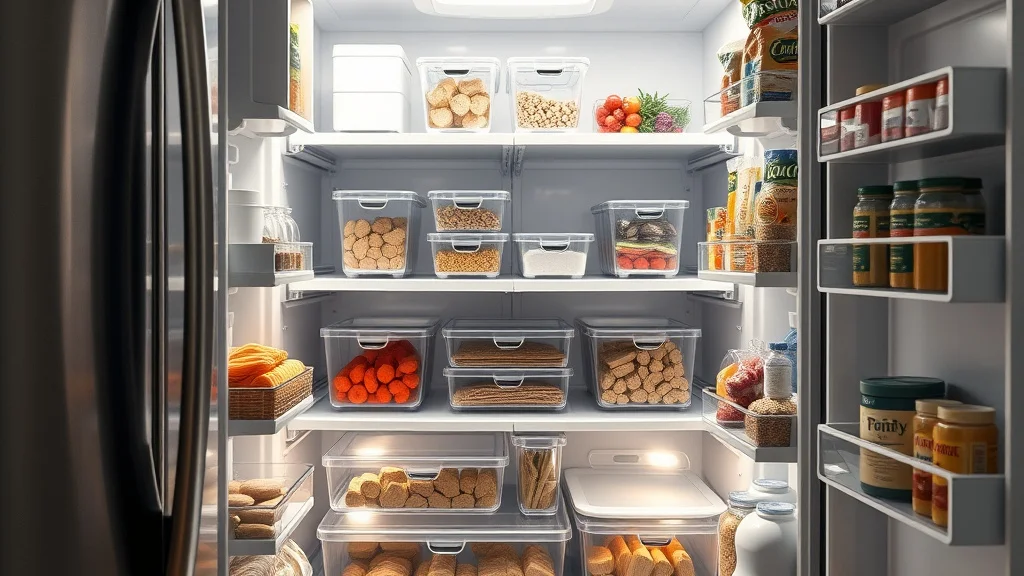
In today’s fast-paced world, maintaining organization in our kitchens can often seem like an insurmountable challenge. A well-organized fridge not only saves time and reduces stress but also minimizes food waste and fosters a healthier lifestyle. One of the most effective methods to achieve optimal organization within your fridge pantry zone is by utilizing stackable pantry bins. These versatile storage solutions enhance visibility and accessibility, allowing you to make the most out of your available space. This article explores the workflow of using stackable pantry bins effectively, focusing on improving visibility and orderly storage in your fridge pantry zone.
Understanding the Need for Organization
An organized fridge is essential for several reasons:
- It reduces food wastage by keeping items visible and within reach.
- It saves time when meal planning or preparing food.
- It enables better temperature control, which can prolong the freshness of perishables.
As the gateway to better kitchen management, understanding the need for stackable pantry bins provides a foundation for enhancing storage efficiency.
Types of Stackable Pantry Bins
Choosing the right type of stackable pantry bins is crucial for effective fridge organization. The most common materials are:
- Plastic: Durable, lightweight, and often transparent, allowing for easy visibility of contents.
- Glass: Eco-friendly and aesthetically pleasing but heavier and more fragile.
Incorporating these bins based on your needs and preferences is the first step towards enhancing your fridge pantry zone.
Choosing the Right Bins
| Feature | Plastic Bins | Glass Bins |
|---|---|---|
| Durability | High | Moderate |
| Visibility | High (if transparent) | High |
| Eco-friendliness | Low | High |
| Weight | Light | Heavy |
| Cost | Economical | Expensive |
Step 1: Assess Your Fridge Space
The first step in re-organizing your fridge using stackable pantry bins is assessing the space available. Remove all items and take note of the dimensions and natural shelving.
- Measure the width, depth, and height of shelves to know the exact size of bins you can accommodate.
- Identify areas that are under-utilized and consider how stackable bins could maximize those spaces.
Step 2: Declutter and Categorize Items
Before placing your bins, declutter and categorize your items. It’s crucial to:
- Discard expired items to make room for new purchases.
- Group similar items together (i.e., dairy products, condiments, beverages) to enhance organizational flow.
Step 3: Select Appropriate Bin Sizes
Choosing the correct size for each type of food item is essential. Bins need to fit comfortably on shelves and accommodate the typical quantities of your stocked items.
- Small bins for snacks and condiments.
- Medium bins for refrigerated beverages.
- Large bins for bulky fruits or vegetables. Ensure that the bins are stackable to take full advantage of vertical space.
Step 4: Label Your Bins
Labels are vital for maintaining an organized fridge. They ensure everyone knows where to find items and where to put them back.
- Use waterproof labels that withstand cold temperatures.
- Color-coded labels can also be helpful for quick identification.
Step 5: Implement a Storage System
With everything decluttered and categorized, it’s time to implement your new storage system.
- Start with larger, less frequently accessed items at the bottom.
- Frequently used items should be at eye level for easier access.
Step 6: Optimize Bin Placement
To optimize space and visibility, follow these guidelines:
- Place bins in a way that aligns with your cooking habits and lifestyle.
- Leave some open space between bins for better air circulation.
Step 7: Periodic Maintenance
Maintaining your fridge organization system requires regular checks.
- Set a routine schedule for cleaning shelves and bins.
- Rearrange items if you find the current setup isn’t functioning as intended.
Additional Tips for Maximizing Visibility
Ensuring visibility in your fridge pantry zone can be achieved with these tips:
- Consider transparent bins to easily see contents without opening them.
- Utilize risers or additional shelving to create layers within your fridge if needed.
Frequently Asked Questions
How do stackable pantry bins help with fridge organization?
Stackable bins help maximize available space, improve accessibility, and keep items categorized, making it easier to track food inventory.
Should I choose plastic or glass pantry bins?
It depends on your priority. Choose plastic for durability and lightweight features, or glass for eco-friendliness and aesthetics.
How often should I reorganize my fridge?
Quarterly checks are recommended, but regular small adjustments should be made to maintain optimal organization.
What size bins should I get for my fridge pantry zone?
Measure your shelves and consider the types of items you store most often, opting for a variety of sizes to accommodate different food items. Check prices on Amazon
Is labeling truly necessary?
Yes, labeling enhances organization, ensuring everyone knows where things belong, reducing confusion and misplaced items.
Can these bins handle temperature fluctuations?
Most fridge-safe stackable bins are designed to withstand constant cold temperatures typically found in refrigerators.
How do I clean my stackable pantry bins?
Most bins can easily be cleaned with warm, soapy water. Ensure they are completely dry before placing them back in the fridge.
Can stackable bins improve food longevity?
Yes, by maintaining a clean and organized fridge with good airflow, food can last longer due to correct temperature distribution.
Final Thoughts
A well-organized refrigerator with stackable pantry bins enhances the aesthetics and functionality of your kitchen. By following the outlined steps, optimizing space, and maintaining the organization, you ensure that every trip to the fridge is efficient and stress-free, creating a more enjoyable cooking and dining experience. Start your fridge makeover today and experience the profound impact of simplicity and order in your culinary space.
