

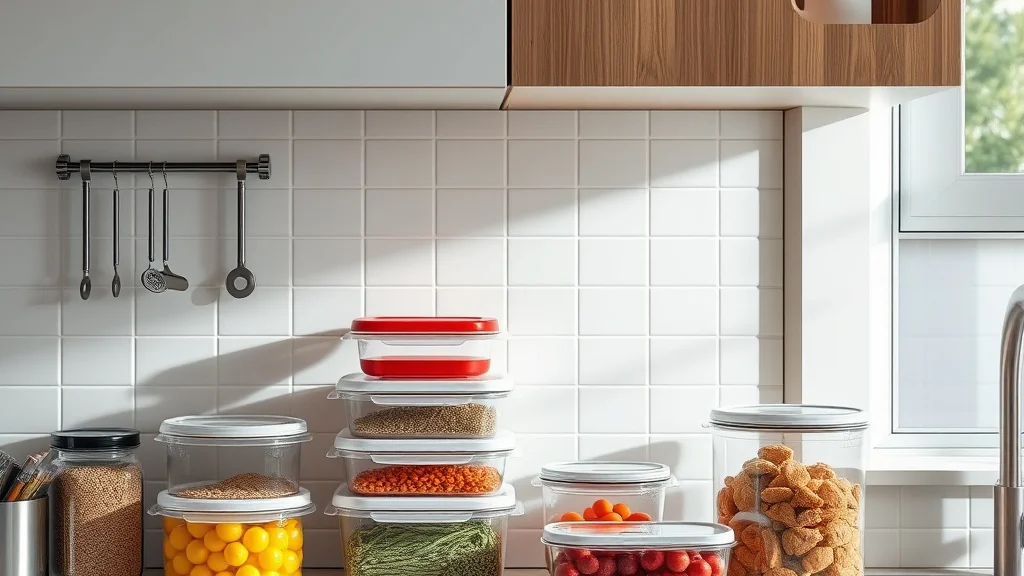
In the modern kitchen, where convenience meets chaos, maintaining an organized system is often easier said than done. Meal prepping and efficient food storage can become a headache if counter space is continuously cluttered with mismatched container lids and stacks of unequally sized boxes. In an age where time and space are at a premium, finding the right strategies to keep your countertop tidy and stress-free is essential. This comprehensive guide provides insights into creating an effective routine to dry and store food containers and lids, thus maximizing kitchen space while minimizing frustration.
Step 1: Choose the Right Food Containers
Selecting the right type of food containers is the first step towards taming countertop clutter. Opt for containers that offer stackable options and ensure easy lid matching. There are generally two types of food storage containers to consider:
- Plastic Containers: These are lightweight, affordable, and come in a variety of sizes. They’re convenient for everyday use but ensure to choose BPA-free options to avoid health risks.
- Glass Containers: While heavier and typically more expensive, these offer durability and are often oven-safe. Their transparency allows for quick identification of contents.
Step 2: Implement a Drying Strategy
After washing, it’s important to effectively dry your containers to prevent water spots and mildew growth. You can use a dish drying rack specifically designed for containers and lids. Alternatively, consider a dish towel or drying mat for more gentle drying. Ensure that air circulates effectively around the containers for fast and thorough drying.
- Use a Quality Dish Rack: Opt for a design that accommodates containers and their corresponding lids separately to speed up drying.
- Employ a Drying Mat: Laying containers and lids on a clean drying mat may be practical for smaller kitchens lacking drying racks.
Comparison of Plastic vs. Glass Food Containers
| Feature | Plastic Containers | Glass Containers |
|---|---|---|
| Weight | Lightweight | Heavy |
| Durability | Less durable, prone to staining | Highly durable, resistant to scratches |
| Safe Temperature | Only microwave-safe | Microwave and oven-safe |
| Cost | Less expensive | Generally more costly |
Step 3: Organize Containers and Lids Systematically
The storage of food containers can often become a complex puzzle if not carefully thought out. The key is to develop a systematic approach that suits your kitchen layout:
- Categorize by Size: Stack containers of similar sizes and nest them within each other to save space.
- Designate a Lid Organizer: Lids often cause the most clutter. Utilize a lid holder or a compact filing system to keep them accessible and orderly.
Utilizing Vertical Space
To maximize your kitchen’s potential, make use of vertical storage solutions:
- Wall-Mounted Racks: These can hold containers that are in regular rotation, saving cabinet space for less frequently used items.
- Stackable Shelving: Great for beverage containers and tall storage canisters, these can be adjusted to accommodate various heights.
Routine Maintenance Tips
Keeping food storage under control requires consistent effort. Implement the following maintenance tips:
- Weekly Check: Once a week, review your containers to ensure they are dry, in good condition, and stored correctly.
- Immediate Drying: After washing, dry containers immediately to prevent moisture from settling.
Labeling Systems for Easier Management
Creating a visual guide for your storage system can significantly cut down the time spent searching for the right container:
- Color Coding: Use colored labels to indicate the types of food typically stored in containers.
- Named Sections: Label specific shelves or areas of your pantry for container storage, clearly defining zones for family members.
Choosing Eco-Friendly Options
As kitchen aesthetics evolve, opting for eco-friendly food storage can benefit both your space and the environment:
- Reusable Silicone Bags: These are an excellent alternative to disposable plastic bags and take up minimal space.
- Sustainable Material Choices: Choose glass or stainless steel containers that can be recycled rather than plastic ones.
Customizable Storage Solutions
Each kitchen has a unique layout with its set of challenges. Customize solutions to evolve with your kitchen needs:
- Adjustable Shelving: Install shelves with adjustable settings that can cater to container adjustments.
- Sliding Drawers: Incorporate sliding drawers for easy access to lower cabinet storage.
Incorporating Technology in Storage Management
For tech-savvy individuals, technology can streamline kitchen organization:
- Inventory Apps: Keep track of container usage and contents with smart kitchen inventory applications.
- Smart Labels: Use QR codes linked to an app for detailed information on storage contents.
Frequently Asked Questions
Are glass containers better than plastic?
Glass containers are more durable and can withstand higher temperatures, making them suitable for various uses, but they are heavier and generally more expensive than plastic. Check prices on Amazon
How can I prevent mold in my containers?
Ensure containers are completely dry before storing. Utilize breathable storage solutions and avoid sealing containers when still damp.
Is it safe to put plastic containers in the microwave?
Always check if your plastic containers are microwave-safe, as some plastics can release harmful chemicals when heated.
Can I use these storage strategies for other types of kitchen items?
Absolutely! The principles outlined can be adapted to organize utensils, cookware, and more for a clutter-free kitchen.
How do I keep track of what’s inside each container?
Use a labeling system or transparent containers to easily see contents. Tech solutions like smart labels or tracking apps can also be effective.
What’s the best way to remove stains from containers?
Soak them in a mixture of baking soda and water or use a paste of baking soda and vinegar to tackle stubborn stains.
How often should I check my storage routine?
A weekly check is recommended to ensure all storage solutions are functional and adapt to any new needs or habits.
Are there any eco-friendly alternatives to plastic lids?
Look for lids made from bamboo, silicone, or other sustainable materials. Reusable silicone lids can also create a tighter seal on most container surfaces.
Final Thoughts
Creating an efficient food container and lid storage routine transforms your kitchen into a more efficient space, reducing clutter and stress in the process. By carefully selecting containers, implementing a drying strategy, and organizing effectively, you set a foundation for a tidy kitchen that supports your lifestyle. Whether you lean towards plastic or glass, employ eco-friendly solutions, or embrace technology, the goal remains the same: a well-organized kitchen that simplifies your culinary life.
