

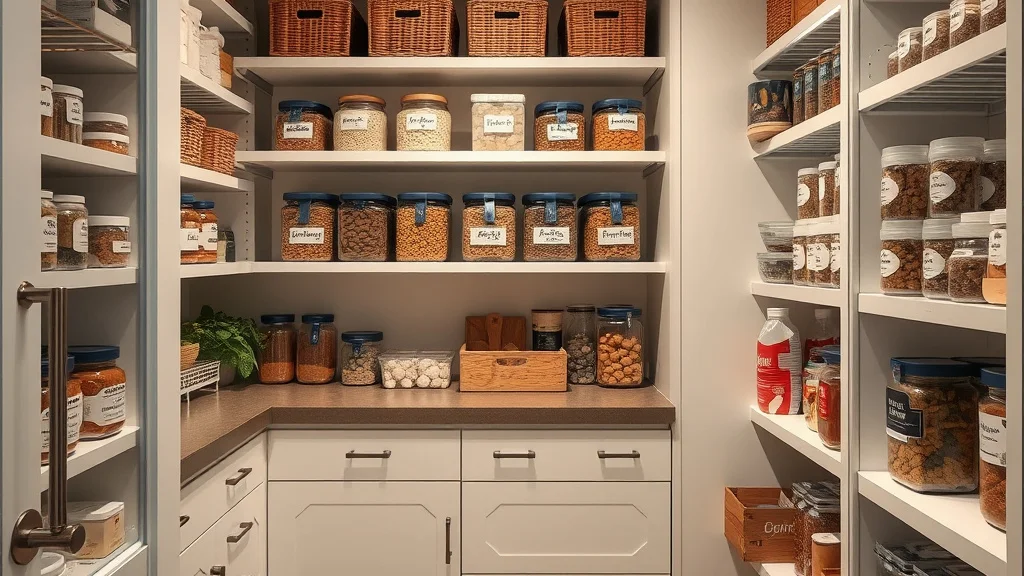
In today’s eco-conscious world, reducing waste has become a priority for many households. One area that often gets overlooked is our kitchen pantries, where packaged foods and their labels contribute significantly to environmental waste. Fortunately, organizing your pantry with sustainable systems can significantly reduce waste. This article will explore the best strategies for organizing your pantry effectively while minimizing label waste, introducing innovative ideas and practical tips for a more eco-friendly kitchen. Let’s delve into these 11 steps to help you achieve a sustainable pantry transformation.
1. Understanding the Role of Pantry Labels
Pantry labels play a crucial role in keeping your kitchen organized and efficient. However, they can also contribute to waste if not used thoughtfully. Understanding their role is the first step towards minimizing waste. Labels help in identifying items, reducing unnecessary purchases, and maintaining an organized space.
- Identification: Labels help you quickly identify what’s stored in containers, saving time during meal preparation.
- Inventory Control: By clearly marking expiration dates and quantities, labels can prevent over-buying and food wastage.
- Waste Reduction: Thoughtfully chosen labels can minimize the need for disposable packaging, contributing to less waste.
Eventually, adopting a system that uses reusable or minimal labels can significantly reduce the need for single-use labels over time.
2. Choosing the Right Containers
Containers are the backbone of an organized pantry. Choosing the right containers goes hand-in-hand with reducing label waste. Opt for durable and sustainable materials that can be used for years, if not decades.
- Glass Jars: Ideal for storing dry goods, glass jars are transparent and can be labeled with non-permanent markers or chalk labels.
- Stainless Steel: These containers are perfect for storing non-transparent items or perishables and are extremely durable.
- Bamboo or Wood Bins: Sustainable and sturdy, these containers are excellent for keeping grouped items organized.
Choosing containers with lightweight, reusable, and easy-to-clean labeling options helps in minimizing waste while optimizing pantry organization.
Comparison of Container Materials
| Container Type | Pros | Cons |
|---|---|---|
| Glass Jars | Transparent, Reusable, Doesn’t absorb smells, Eco-friendly | Breakable, Heavy |
| Stainless Steel | Durable, Resistant to odors and stains, Lightweight | Opaque (requires an external label), Can be pricey |
3. Implementing a Labeling System
The right labeling system is essential to minimizing waste. Consider transitioning away from sticky labels to more sustainable alternatives.
- Chalkboard Labels: These are reusable and easy to clean, making them perfect for ever-changing pantry needs.
- Non-Permanent Markers: Writing directly on containers with non-permanent markers is a waste-free labeling method.
- Digital Inventory: Consider using apps or spreadsheets to track contents and expiration dates, reducing the need for physical labels.
A well-implemented labeling system not only organizes your pantry but also helps cut down on resource waste associated with producing and disposing of traditional labels.
4. Embracing Minimalism
Minimalism in your pantry doesn’t just mean having less but also using what you have more effectively. Combining this principle with smart labeling and organization can lead to significant waste reduction.
- Limit Excess: Keep only what’s necessary, reducing clutter and the need for excessive labeling.
- Mindful Shopping: Purchase items you genuinely need and will use soon, which also reduces packaging waste.
- Simple Systems: Use fewer, more generic labels and rely on container transparency to identify contents.
With minimalism, your pantry turns into a streamlined and efficient space that is easy to maintain and less likely to produce waste.
5. Incorporating Zero-Waste Principles
Zero-waste principles focus on redesigning resource life cycles so that all materials are reused. Applying these principles to your pantry can significantly cut down label waste.
- Reusable Labels: Switch to labels that can be erased and reused, reducing trash.
- Bulk Purchases: Buy items in bulk to minimize packaging waste, using your containers.
- Refill Stations: Utilize stores that allow you to refill your own containers, promoting a more sustainable packaging method.
By adopting these principles, your pantry can become a model for sustainable living, significantly lowering your household’s environmental footprint.
6. Conducting Regular Inventory Checks
Routine inventory checks play a critical role in managing pantry supplies efficiently and avoiding unnecessary labeling.
- Scheduled Inspections: Set a regular schedule for checking pantry contents to prevent overstocking.
- Expiration Monitoring: Use a digital slate or whiteboard to note expiration dates, eliminating paper label waste.
- Stock Control: Accurately maintain records of what you have and need, reducing product surplus and wastefulness.
Regular inventory checks not only prevent waste due to spoilage but also help keep your pantry organized and clutter-free.
7. Streamlining Packaging
Streamlining packaging involves minimizing the use of external packaging and labels to the fullest extent possible in your pantry.
- Decant Products: Remove products from bulky packaging and store them in your reusable containers.
- Digitalize Shopping Lists: Use apps to tackle ingredient labels and reduce dependency on paper-based ones.
- Rethink Brand Loyalty: Opt for less-packaged generic brands and items.
By reorganizing how pantry items are packaged and stored, you can significantly reduce waste and contribute to a more sustainable home.
8. Using Smart Organization Techniques
Smart organization not only involves appropriate labeling but also intelligent placement and arrangement of pantry contents.
- Zone Arrangement: Divide your pantry into zones for different food categories, reducing the need for individual labeling.
- Accessible Placement: Place frequently used items at eye level, reducing the time spent searching and risk of waste.
- Tidy Storage: Ensure items are stacked neatly to maximize space and minimize chances of forgetting stored goods.
With smart organization, a pantry not only becomes efficient and aesthetically pleasing but also contributes to reduced label reliance.
9. Reimagining Existing Labels
If you have existing labels that must be used, consider reimagining how they can fit into your waste-reduction efforts.
- Repurpose Old Labels: Use them for non-perishable goods or areas that require less frequent label changes.
- Creative Labeling: Consider painting container lids with chalkboard paint for labeling at zero waste.
- Recycling Labels: Whenever labels can’t be reused, ensure they are recycled responsibly.
Reimagining older label systems can lead to innovative solutions that provide the same utility while minimizing waste.
10. Educating Your Household
Sustaining a waste-free pantry is a collective effort; thus, educating your household on your new systems ensures everyone participates.
- Awareness Campaigns: Discuss with your family the importance of these systems and how everyone can contribute.
- Role Assignments: Assign roles for restocking, organizing, and routine checks to integrate habits into daily routines.
- Feedback Loops: Encourage feedback to continuously refine your labeling processes for optimal operations.
As your household contributes actively, maintaining a waste-reducing pantry becomes easier and more rewarding.
11. Engaging with Community Programs
Community programs can offer resources or ideas on reducing waste, providing inspiration for home initiatives.
- Local Workshops: Attend workshops focused on zero waste and sustainable practices.
- Community Groups: Join groups dedicated to sharing eco-friendly hacks and techniques.
- Recycling Programs: Participate in local programs that facilitate recycling of pantry goods and aids.
Engaging with these programs can expand one’s knowledge and offer practical solutions to implementing inimitable labeling techniques at home.
Frequently Asked Questions
How do I choose sustainable pantry containers?
Opt for containers made from durable and eco-friendly materials like glass, stainless steel, or bamboo, ensuring they accommodate the types of food you store. Check prices on Amazon
Are chalk labels really reusable?
Yes, chalk labels are specifically designed to be reusable and can be easily erased and relabeled when necessary, making them a sustainable choice.
What is the most effective way to track pantry stock?
Using digital tools like apps or spreadsheets for inventory checks can help in efficient tracking, reducing the need for physical labels.
How often should I check my pantry inventory?
Perform inventory checks monthly to maintain order and prevent surplus buying or waste accumulation.
Can minimalism help in reducing label waste?
Absolutely. By keeping only necessary items, reducing clutter, and using simpler labels, minimalism can significantly decrease label waste.
What’s the benefit of buying in bulk?
Bulk buying decreases package waste and is often more economical. It allows for using personal containers, cutting down on disposable label usage.
Are there alternatives to sticky labels for opaque containers?
Use non-permanent markers or a small labeling section painted with chalkboard paint for reusable solutions on opaque surfaces.
How can I involve my family in maintaining a sustainable pantry?
Educate them about the new systems, assign roles, and create a feedback channel to continuously improve your pantry management processes collectively.
Final Thoughts
Reducing waste through efficient pantry organization and labeling systems is not only feasible but also environmentally and economically rewarding. By understanding the importance of sustainable practices, choosing the right containers and labels, and involving the household in maintaining these systems, your pantry can become a beacon of eco-conscious living. With clear strategies, a bit of creativity, and a commitment to waste reduction, you can revolutionize your kitchen into a model of efficiency and sustainability.
