

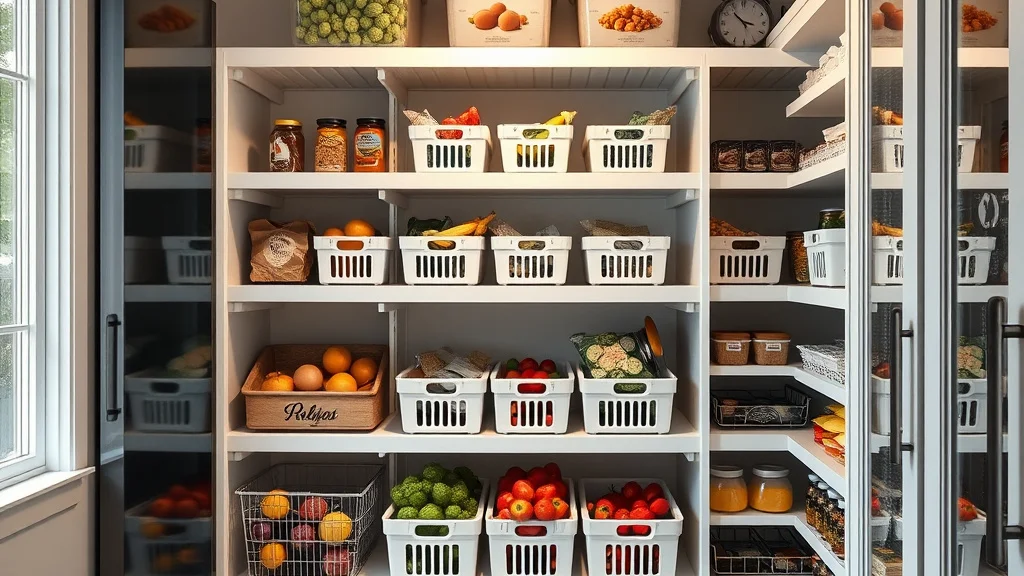
Organizing your pantry is both an art and a science. Proper use of stackable bins to store produce can significantly enhance the accessibility and longevity of your fresh vegetables and fruits. However, it’s surprisingly easy to make mistakes when you’re grouping stackable pantry bins for produce. Today, we dive into some common errors and explain how you can avoid them to keep your pantry not just organized but also efficient.
The Importance of Choosing the Right Container
Using stackable pantry bins seems intuitive for storage, yet choosing the right container is crucial. Selecting bins that are too small can lead to overcrowding, damaging your produce. On the other hand, too-large bins waste valuable space. Materials matter too; opting for breathable bins ensures airflow, preventing mold and quicker spoilage of your perishables.
Incompatible Produce Grouping
A common mistake is storing certain produce types together without considering their gas emissions. Ethylene-sensitive foods such as leafy greens should be separated from ethylene-producing items like apples and bananas to prevent premature ripening or spoilage.
Natural vs. Plastic Stackable Bins
| Feature | Natural Bins | Plastic Bins |
|---|---|---|
| Breathability | High | Medium |
| Durability | Medium | High |
| Environmental Impact | Low | High |
| Maintenance | Requires Regular Cleaning | Easy to Clean |
Ignoring Weight and Structure
When stacking bins, neglecting to consider the weight and structural integrity can lead to accidents. Heavy items should always be stored at the bottom. Placing heavier loads on top can tip your stack over, causing damage to both the bins and their contents.
Overlooking the Need for Ventilation
Produce requires a certain degree of air circulation to stay fresh. Closed, airtight bins increase humidity, creating the perfect environment for spoilage. Opt for bins designed with ventilation holes or choose stackable bins with breathable lids.
Resistance to Using Transparent Bins
Non-transparent bins make it difficult to monitor the condition of your produce visually. Opting for clear bins allows a quick assessment of your inventory without having to open each one, saving you both time and effort.
Disregarding Size Appropriateness
Some mistake the need for stacking with having uniform-sized bins. Separate produce by size, giving each its dedicated bin. It facilitates quicker access and reduces the need to rummage through stacked bins.
Forgetting Labels
Labels are an organizer’s best friend. All too often, people skip labeling their bins, leading to confusion later on. Labeling helps in easy identification and ensures you’re following the first-in, first-out practice to minimize spoilage.
Failing to Plan for Easy Access
Bins should be stacked in a way that frequently used produce is easily accessible. Consider stacking them within reach, and at eye level where possible. This strategic placement will make meal preparation more efficient.
Ignoring Shelf Life
Different produce has varying shelf lives. Overlooking this when grouping can lead to faster spoilage. For instance, potatoes have a longer shelf life and don’t need frequent inspection, unlike berries, which perish sooner.
Underestimating the Importance of Cleaning
Regular cleaning of your bins and the produce inside must not be overlooked. Accumulation of dirt, food particles, and moisture can become a breeding ground for germs. Make it a part of your household routine to ensure the hygiene not just of the bins but also the produce so stored. Check prices on Amazon
The Misplacement of Bins
Stackable bins should be placed in a location that lends itself to easy monitoring and adjustment. If they’re shoved into a corner or placed too high, it can make maintenance tasks cumbersome, leading to neglect.
Frequently Asked Questions
Is it necessary to stack bins made of the same material?
While it’s not necessary, using the same material often ensures uniformity in size, making stacking easier and reducing chances of instability.
Can I use stackable bins for refrigerated produce?
Yes, but ensure they are refrigerator-safe, and note that refrigeration requirements differ for various produce.
How often should I clean the pantry bins?
Ideally, once a week or every time you replenish your stock. This prevents any build-up of residues and maintains hygiene.
Are transparent bins more prone to cracking than opaque ones?
Not necessarily. Good quality transparent bins are equally as durable if they are manufactured with quality materials.
How can I prevent pests in my pantry bins?
Ensure bins are properly sealed, particularly those that are not transparent. Regular cleaning and monitoring help, as can natural pest repellents.
Is it a good idea to mix plastic and natural material bins?
It’s usually not recommended. Different materials have different structural strengths, which can cause uneven stacking and instability.
What is the best way to label bins?
Use waterproof labels and a permanent marker, or go for a labeling machine for a more professional look. Consider labeling both the front and the top.
Should the bins be air-tight?
Not for fresh produce. Air-tight bins can lead to moisture build-up. Go for options with breathable features.
Final Thoughts
Successfully managing stackable pantry bins for produce calls for careful consideration and planning. From choosing the right containers and grouping produce to ensure proper labeling and regular cleaning, each step plays a crucial role. Avoiding the common pitfalls outlined will help you keep your produce fresh longer and transform your pantry into a more efficient space. By understanding potential errors and preempting them, you can enjoy a well-organized pantry that saves you time and reduces food waste.
