

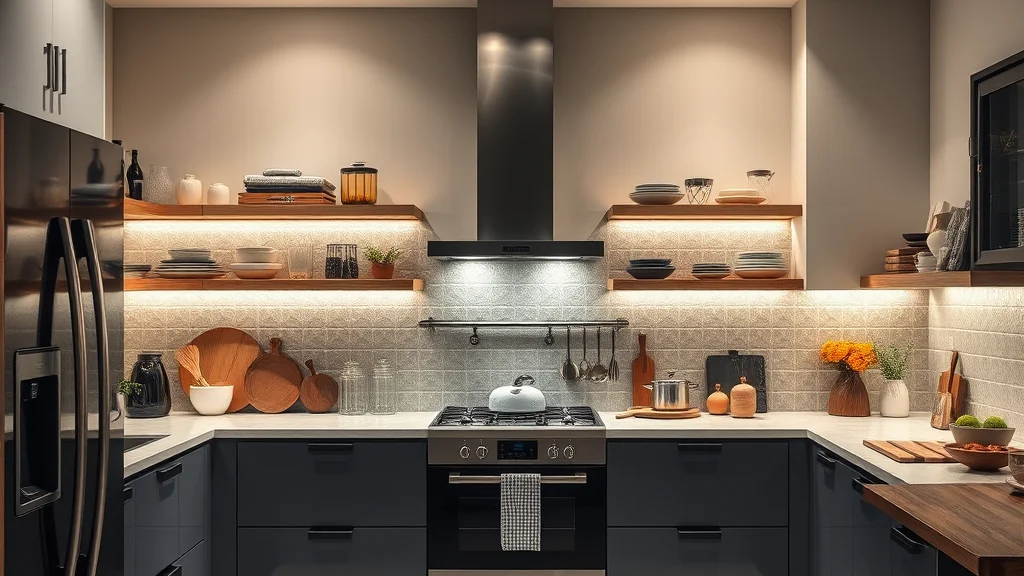
Anyone who spends time in the kitchen knows the importance of good storage solutions. Not only can proper organization simplify meal preparation, but it also helps maintain a clean, efficient, and stress-free environment. Whether you’re dealing with a small space or looking to enhance your existing setup, making the right choices in kitchen storage can transform how you manage your culinary workspace. This article will delve into innovative ideas and practical solutions to make your kitchen both functional and aesthetically pleasing.
Built-in Cabinets vs. Freestanding Shelving
When it comes to kitchen storage, the options are vast. However, two of the most common solutions are built-in cabinets and freestanding shelving. Each has its advantages depending on your needs, space, and personal taste. Built-in cabinets provide a seamless and integrated look, while freestanding shelving offers flexibility and can even be moved when necessary. Let’s dive deeper into each option’s features to help you decide which is best for your kitchen.
| Feature | Built-in Cabinets | Freestanding Shelving |
|---|---|---|
| Installation | Permanent, may require professional help | Easy, usually DIY-friendly |
| Customization | Highly customizable to space and style | Limited to available designs and sizes |
| Space Utilization | Maximizes use of space, especially in corners | Can be re-arranged for versatility |
| Accessibility | Might require door opening; hidden storage | Open access for easy reach |
| Cost | Potentially expensive due to materials and installation | Generally more affordable |
Decluttering: Your First Step Towards an Organized Kitchen
Before you think about storage solutions, it’s crucial to declutter your kitchen. This foundational step will save you considerable time and space in the long run. Sort through your items and determine what you use regularly. Discard expired items, donate what you don’t use, and find a proper place for everything else. You’ll find that with less clutter, you have more room for the essentials that truly matter. Here are some steps to get you started:
- Empty cabinets and drawers completely.
- Sort items into categories: keep, donate, recycle, and toss.
- Be honest about what you use and need.
- Organize remaining items in a way that makes sense for your usage habits.
Optimizing Cabinet Space
Most kitchens have cabinets that can be better utilized with a few simple adjustments. Consider using stackable shelf risers to double the space on a single shelf. Implement pull-out trays or baskets to make accessing items at the back easier. This solution is particularly effective in lower cabinets where reaching is often cumbersome. Here are some additional strategies:
- Install hooks on the inside of cabinet doors for hanging utensils or pot lids.
- Use Lazy Susans in corner cabinets to maximize space and accessibility.
- Consider shelf dividers for pans and baking sheets.
The Power of Drawer Organizers
Drawers can quickly become catch-alls, but with some clever organization, they can be incredibly efficient. Utilizing drawer organizers helps keep items neatly arranged and accessible. Choose adjustable organizers, so they fit your drawer and your needs perfectly. Whether it’s utensils, spices, or miscellaneous kitchen gadgets, organizers make it easy to find what you’re looking for and maintain order. Consider these tips:
- Select organizers based on specific drawer measurements.
- Use clear or labeled organizers for easy identification.
- Consider custom built-in options for a tailored fit.
Maximize Vertical Space with Overhead Storage
Don’t overlook the vertical space in your kitchen. Installing overhead storage racks or shelves can free up counter space while still keeping items accessible. This can be particularly useful for pots, pans, and even specialty items like wine glasses or herb gardens. While this can add functional space, it also saves time when preparing meals. Here are some ideas for making the most of your vertical space:
- Install pot racks to hang cookware above kitchen islands or counters.
- Use ceiling hooks for lighter items like mugs or colanders.
- Consider high shelves for infrequently used items.
Glass Jars and Clear Containers: Visibility is Key
Clear containers and glass jars can be transformative when it comes to organizing your pantry and kitchen shelves. Not only do they create visual uniformity, but they also allow you to see what you have at a glance, preventing overbuying and food spoilage. Labeling each container ensures swift access and keeps everything tidy. Here is how you can implement this solution:
- Transfer pantry staples like flour, sugar, and pasta into transparent containers.
- Use uniform containers for a streamlined look.
- Clearly label each container with content and expiration date.
Rolling Carts: Mobility and Functionality
Rolling carts are versatile additions to any kitchen. They can act as additional counter space, a coffee station, or even a mobile prep area. The wheels allow for easy movement, meaning you can use the cart wherever it’s needed most. When not in use, it can be tucked away in a nook or along a wall, demonstrating both flexibility and functionality. Consider these potential uses:
- Quickly transport ingredients from the pantry to the stove.
- Store small appliances that are rarely used on the bottom shelf.
- Use it as a bar cart for entertaining guests.
Smart Use of Labels
Labels are a simple but effective tool for maintaining kitchen organization. Whether it’s the inside of a pantry or refrigerator, labels eliminate guesswork, indicating what goes where and ensuring that everything returns to its designated spot. This is especially helpful in households with multiple members to ensure everyone follows the same organizational system. Here’s how to efficiently use labels in your kitchen:
- Use waterproof labels for containers stored in high-moisture areas like the fridge.
- Consider chalkboard labels for customizable solutions.
- Label shelves to identify zones for different types of ingredients or tools.
Incorporating Baskets for Flexible Storage
Baskets and bins are excellent for grouping similar items, making your kitchen more functional. They are particularly handy in open shelving where you might want to both display and organize items. Choose baskets that match the kitchen’s aesthetic for a cohesive appearance. Their portability makes cleaning and rearranging a breeze. Here’s how you can use baskets effectively:
- Group together items like snack foods, produce, or cleaning supplies.
- Select different sizes to fit various shelves or cupboards.
- Choose materials like wicker or metal to suit the style of your kitchen.
Installation of Pegboards for Dynamic Use
Pegboards offer a customizable and space-efficient method to keep kitchen tools at your fingertips. These boards can be mounted on walls, creating an instant storage solution that’s flexible and easily changed as your needs evolve. This storage hack is perfect for kitchens of all sizes and is typically inexpensive to implement. Advantages of pegboards include: Check prices on Amazon
- Hang awkwardly sized tools like spatulas, whisks, and pans.
- Easily rearrange pegs to accommodate new items or changes.
- Paint or customize the board to complement kitchen decor.
Maintaining Order with Refrigerator Organization
Storing food properly in the refrigerator is crucial for both organization and minimizing waste. Utilize clear bins and shelf liners to keep similar items together and reduce mess. Taking the time to organize your fridge will help in optimizing space and ensuring that food stays fresh and accessible. Implementation tips include:
- Designate specific zones for produce, dairy, and leftovers.
- Use bins for grouping items like snacks or condiments.
- Regularly check for expired items and clean surfaces.
Frequently Asked Questions
What are some budget-friendly kitchen storage ideas?
Consider using vertical space with hooks, implementing drawer organizers, and repurposing furniture like bookshelves for added storage.
How can I make my small kitchen look bigger with storage solutions?
Opt for open shelving and clear containers which visually declutter space, and incorporate mirrors or glossy finishes to reflect light and add depth.
What are the advantages of using clear containers in the kitchen?
Clear containers allow for easy visibility of contents, preventing overstocking and spoilage, while creating a uniform look that enhances organization.
How can I efficiently organize my pantry?
Sort items into categories, use shelf risers to maximize space, and opt for clear labeled containers to keep everything tidy and accessible.
What’s the best way to store pots and pans?
Install a pot rack for hanging or use pegboards on walls for accessibility. Consider pull-out racks in cabinets to optimize space while maintaining order.
How can I deal with deep kitchen drawers?
Utilize adjustable drawer organizers and deep containers to compartmentalize items and ensure an organized and accessible kitchen environment.
What types of baskets work best for kitchen storage?
Choose baskets made of durable materials like wire or sturdy plastic for heavier items, and consider the weight and aesthetic when selecting sizes and styles.
How often should I reorganize my kitchen storage?
Regularly assess your storage needs seasonally or every few months to accommodate changes in cooking habits, new appliances, or reorganizing for efficiency.
Final Thoughts
Organizing a kitchen involves thoughtful consideration and strategic planning. By implementing these versatile storage solutions, you elevate your kitchen’s functionality and efficiency, creating a stress-free culinary environment that inspires creativity. Remember, the best storage solutions are the ones that cater to your specific needs, ensuring that all kitchen tasks are handled with ease and enjoyment.
