

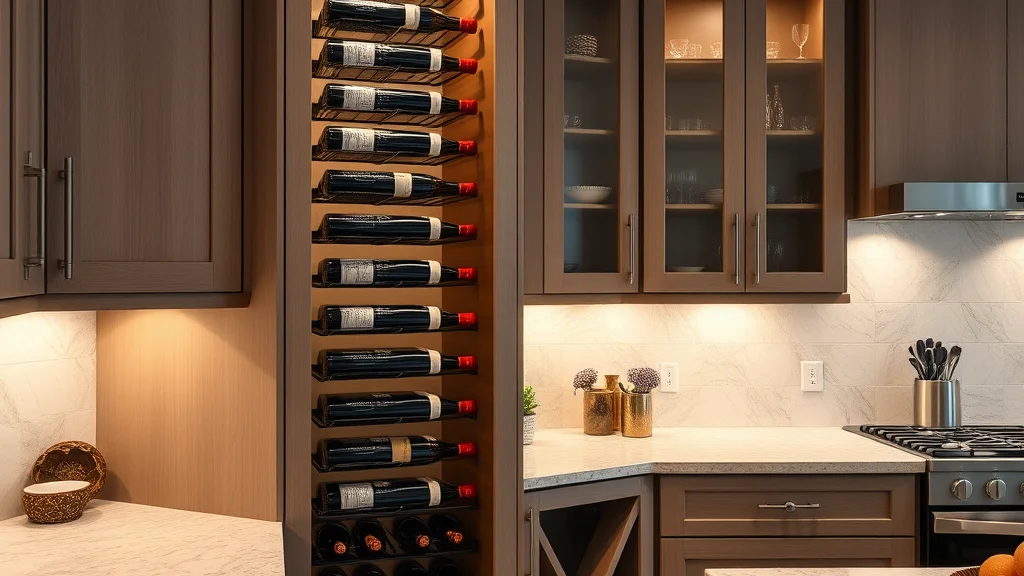
When it comes to optimizing kitchen space, built-in wine racks are often overlooked but offer a stylish and functional solution. Whether you’re a wine connoisseur with a discerning palate or an occasional wine enthusiast, incorporating a wine rack into your kitchen cabinets can add sophistication to your home while maximizing storage space. Our comprehensive guide explores everything you need to know about built-in wine racks for kitchen cabinets.
The Benefits of Built-In Wine Racks
Choosing built-in wine racks offers several benefits to the modern kitchen. Not only do they provide a convenient way to display and store your wine collection, but they also enhance the aesthetic appeal of your kitchen. Wine racks are designed to keep bottles at an optimum angle, which helps preserve the flavor and quality of the wine.
- Space Efficiency: Utilizing vertical cabinet space that often goes unused.
- Temperature Control: Built-in racks can offer better temperature management, crucial for wine preservation.
- Visual Appeal: Adds an element of luxury to kitchens.
Types of Built-In Wine Racks
There are two primary types of built-in wine racks: horizontal and vertical. Both offer unique features to consider depending on your kitchen layout and personal preferences.
Features of Horizontal Wine Racks
Horizontal wine racks are the more traditional choice and are often integrated seamlessly into the existing kitchen cabinets. These racks hold bottles on their sides, which is optimal for keeping corks moist and preventing them from drying out.
- Compact Design: Easily fits into small spaces, maximizing storage without occupying additional room.
- Accessibility: Allows for easy access to bottles without having to shuffle other items around.
Features of Vertical Wine Racks
Vertical wine racks are increasingly popular for those who prefer a more modern aesthetic. These racks display bottles with labels facing outward, which makes selecting a wine easier.
- Aesthetic Appeal: Provides a gallery-like display of your wine collection.
- Ease of Use: Bottles can be removed and replaced effortlessly.
Comparison Table: Horizontal vs. Vertical Wine Racks
| Feature | Horizontal Wine Rack | Vertical Wine Rack |
|---|---|---|
| Space Efficiency | Highly efficient, occupies minimal space | Varying efficiency, requires more height |
| Aesthetic Appeal | Traditional and classic look | Modern and gallery-like |
| Accessibility | Easy to access, traditional layout | Label-friendly, quick view |
| Cost | Generally more affordable | Can be more expensive |
Installing Built-In Wine Racks in Existing Cabinets
Installing built-in wine racks in existing cabinets is a feasible option for those who wish to improve their current kitchen layout. While some may choose professional installation, many wine rack kits come with easy DIY instructions, making it a viable project for many homeowners.
- Preparation: Measure available space and select a design that harmonizes with the kitchen’s aesthetic.
- Installation: Follow the rack manufacturer’s guidelines, checking for stability and fit.
Material Choices for Wine Racks
Material options vary widely, and each comes with unique benefits. Your choice should hinge on durability, cost, and aesthetics, with common options being wood, metal, and acrylic.
- Wood: Offers a classic and warm look, typically from oak or cherry.
- Metal: Provides a sleek, industrial appearance, often more durable.
- Acrylic: Modern and minimalist, allowing for a clean and contemporary display.
Customizing Wine Rack Designs
Custom designs can add a personal touch to your kitchen while catering to specific functional needs. Consider working with a designer if you have a particular vision in mind.
- Tailored Fit: Custom racks can be made to fit non-standard kitchen dimensions.
- Material and Finish Choices: Select specific materials and finishes to match decor.
Built-In Wine Rack Lighting Options
The lighting around wine racks can add a significant ambiance to the kitchen. Whether it’s LED strip lighting or recessed lighting, properly designed illumination enhances both the aesthetic and functional value of wine racks.
- Task Lighting: Direct lighting that highlights bottles and labels.
- Accent Lighting: Creates a vibrant atmosphere in the kitchen.
Maintaining Your Built-In Wine Racks
Once your wine rack is installed, proper care and maintenance will keep it functional and attractive. Regular cleaning prevents wine residue buildup and ensures a pristine appearance.
- Dusting: Regularly dust to maintain cleanliness and shine.
- Inspection: Check for loose fittings or damage and address promptly.
Integrating Wine Racks with Smart Technology
For the tech-savvy homeowner, integrating smart technology into your wine storage provides additional functionality and convenience, such as temperature monitoring and mood-setting lighting control. Check prices on Amazon
- Temperature Sensors: Ensure conditions remain optimal for wine storage.
- Smart Lighting: Customize lighting settings from your smartphone.
Space-Saving Wine Rack Solutions
For those tight on kitchen space, space-saving wine rack designs can be utilized creatively to meet storage needs without overwhelming the kitchen’s footprint.
- Overhead Racks: Utilize ceiling space efficiently.
- Corner Integrations: Make use of often-wasted corner spaces.
Eco-Friendly Wine Rack Options
Eco-conscious consumers can select sustainable materials for their wine racks, contributing to a greener lifestyle. Options include bamboo, recycled metal, or repurposed wood.
- Bamboo: Rapidly renewable and stylish.
- Reclaimed Wood: Offers a rustic look with character while contributing to sustainable practices.
Frequently Asked Questions
What is the optimal temperature for storing wine?
The ideal temperature for storing wine is between 45°F and 65°F, with the sweet spot at 55°F. Consistent temperature is crucial to preserving the wine’s taste and aroma.
How do I decide between horizontal and vertical wine racks?
Choose horizontal racks for traditional aesthetics and space-saving options, and vertical racks for a modern display that showcases wine labels prominently.
Can I install a built-in wine rack myself?
Yes, with the right measurements and prefabricated kits, installing a built-in wine rack can be a simple DIY project. However, for complex installations, professional help might be beneficial.
What materials are best for wine racks?
Wood, metal, and acrylic are popular choices. Wood offers a warm look, metal provides a sleek aesthetic, and acrylic is perfect for a minimalist vibe.
Can built-in wine racks hold different bottle sizes?
While most wine racks are designed to accommodate standard bottles, some can be customized or come with adjustable designs to fit various sizes, including champagne or magnum bottles.
Are there eco-friendly wine rack options?
Yes, eco-friendly options include bamboo, recycled metals, and reclaimed wood, each offering sustainability while maintaining aesthetic value.
How do I maintain my built-in wine rack?
Regularly cleaning and dusting your wine rack, along with inspecting for any structural issues, will ensure it remains both functional and visually appealing.
What role does lighting play in wine rack design?
Lighting enhances the visual appearance of wine racks, offering ambient or task-specific illumination. It helps in showcasing your collection while providing ease of access.
Final Thoughts
Built-in wine racks for kitchen cabinets blend function with style, providing not just a storage solution but also enhancing your kitchen’s interior design. Whether you prefer classic horizontal racks or modern vertical displays, selecting the right design and features cares for your wine collection and complements your home’s aesthetic. Proper maintenance and thoughtful integration of smart technology make these racks a worthwhile investment that improves the kitchen experience and offers a sophisticated place for your beloved wine selections.
