

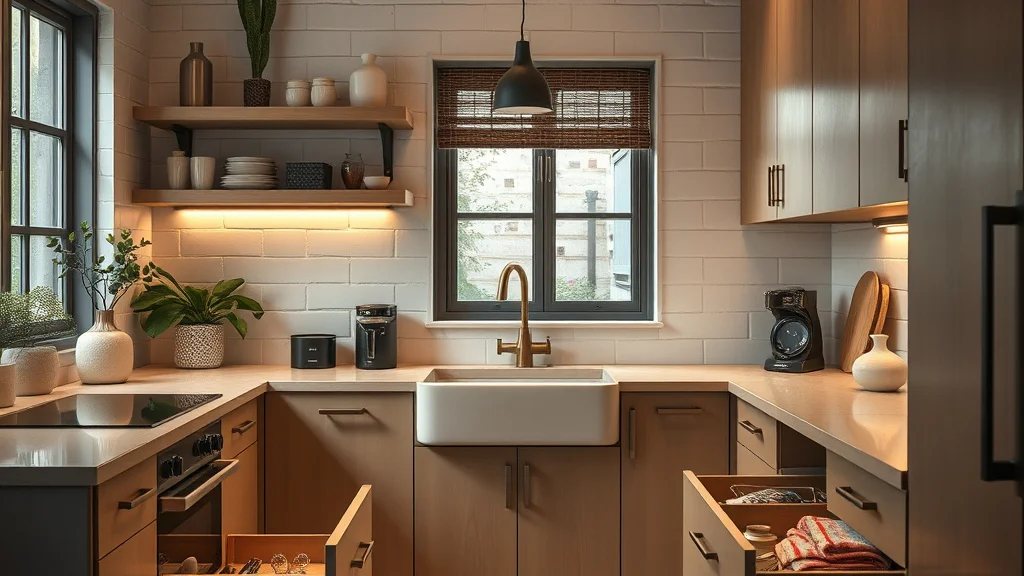
In an age where sustainability is becoming a household mantra, applying eco-friendly principles to our daily rituals not only benefits the planet but also enhances our living spaces. The kitchen, often described as the heart of the home, is a prime candidate for this transformative approach. Organizing kitchen drawers sustainably involves making careful choices about materials and practices, ensuring that even our utensils and gadgets find a home that is both functional and ecologically sensitive. By focusing on sustainable organization, we can ensure our kitchens are both stylish and environmentally conscious.
Understanding Sustainable Materials
One of the first steps in organizing kitchen drawers sustainably is choosing the right materials. Opt for organizers made from renewable resources, such as bamboo or recycled metal. Bamboo, for instance, is a highly renewable resource that grows quickly and can be harvested without causing environmental degradation.
- Bamboo: Widely regarded as a sustainable material, bamboo is durable, lightweight, and resistant to water, making it ideal for kitchen conditions.
- Recycled Metal: Utilizing recycled metals reduces waste and energy consumption associated with processing new metal, providing a robust option for drawer dividers.
Benefits of Decluttering
Decluttering is a foundational step in organizing kitchen drawers sustainably. Removing items that no longer serve a purpose not only clears up space but also reduces the environmental footprint by facilitating reuse and recycling. Sorting through your drawers allows you to :
- Identify essentials and non-essentials, simplifying your cooking process.
- Donate or repurpose items in good condition, contributing to a circular economy.
- Reduce wastage, as you’re more likely to use items that are visible and easily accessible.
Two Main Approaches to Organizing
When it comes to organizing kitchen drawers, two primary approaches stand out: minimalist and compartmentalized organization. Each offers unique benefits and faces particular challenges.
| Characteristic | Minimalist | Compartmentalized |
|---|---|---|
| Main Objective | Reduce clutter, keep only essentials | Maximize space and customization |
| Material Options | Wood, Bamboo | Recycled Metal, Composite |
| Space Management | Free-form, less structured | Defined spaces for specific items |
| Use cases | Small kitchens, limited items | Large families, diverse tools |
Embrace the Minimalist Approach
The minimalist approach is about removing excess and focusing on necessity. In the context of kitchen drawers, this involves keeping only items that serve a purpose and enhance your everyday kitchen activities. A sustainable minimalist kitchen may use:
- Simple, untreated wood or bamboo trays to separate utensils without unnecessary embellishments.
- Reusable containers or bags that can serve multiple purposes.
- Custom dividers made from carry-over materials like cardboard or unused baking sheets.
Compartmentalized Organization for Larger Kitchens
For households with larger kitchens and a myriad of utensils and gadgets, compartmentalized organization offers a tailored solution by designating specific spots for each type of item. This can be achieved by:
- Installing bespoke drawer inserts or using adjustable, recycled metal dividers to customize spaces according to your needs.
- Clearly labeling compartments, ensuring all family members can easily find and store items.
- Employing stackable containers, crafted from recycled plastics or glass, for optimal use of vertical space.
Upcycling and DIY Projects
Infuse creativity and reduce waste by incorporating upcycled materials and DIY projects into your drawer organization plans. Simple projects can yield efficient and eco-friendly results:
- Craft your own drawer dividers using cardboard from old boxes, customizing sizes to fit your exact drawer dimensions.
- Transform wooden clementine crates or old cutlery trays into stylish and functional organizers.
- Paint or stain these homemade organizers with eco-friendly products for durability and aesthetics.
Eco-Friendly Cleaning Products
An organized kitchen isn’t truly sustainable without eco-friendly cleaning products. The cleaning agents used can significantly impact health and the environment. Maintain your well-organized drawers by:
- Choosing plant-based, biodegradable cleaning solutions that do not contain harsh chemicals.
- Making homemade cleaning agents with ingredients like vinegar, baking soda, and lemon, minimizing packaging waste and toxins.
- Employing reusable microfiber cloths or towels over disposable wipes, thereby reducing waste.
Utilize Vertical Space Inside Drawers
While organizing drawers, utilizing vertical space can significantly enhance storage capacity in a sustainable manner. Vertical storage allows for better accessibility and visibility. Consider solutions like:
- Stackable jars and containers made from glass or food-safe metal that maximize limited spaces.
- Tiered shelving inserts for spices or small items, reducing the likelihood of food and material wastage.
- Mounted lid holders or racks for pots and pans, minimizing the clatter and potential for damage.
Reuse and Repurpose
Repurpose items that may have outlived their initial function but still hold value and utility in organizing kitchen drawers sustainably. This practice not only breathes new life into old belongings but also cultivates a waste-not mindset.
- Use empty jars or containers to store loose items like rubber bands, twist ties, or herbs.
- Convert small trays or boxes into dividers, ensuring they fit snugly into drawer spaces.
- Reutilize fabric scraps or old dishcloths as liners to protect drawer surfaces.
Refresh with Eco-Friendly Lining
Linings add a layer of protection and aesthetic to kitchen drawers while aiding in organization. When selecting draw liners, based on sustainable principles, the choices are multitudinous: Check prices on Amazon
- Cork liners, known for their water resistance and cushioning, provide a naturally stylish option.
- Unbleached cotton or linen cloths as liners, which can be washed and reused over time.
- Recycled parchment sheets for a minimally intrusive lining that can be easily replaced and composted.
Implement Waste-Reducing Habits
Your kitchen is the nerve center for waste generation. While organizing drawers, also incorporate habits that minimize waste:
- Commit to buying bulk or refillables to reduce packaging waste.
- Labeling food containers with expiry dates to minimize food wastage.
- Adopting a freeze-friendly approach, preparing meals in advance and storing in reusable containers.
Eco-Conscious Maintenance
Once your kitchen drawers are organized, maintaining them sustainably is key. This involves regular check-ins and adopting practices to ensure lasting organization:
- Conduct periodic clean-outs to reassess the necessity of items.
- Rotate the placement of items to prolong their usage and ensure everything has an equal opportunity.
- Adopt a one-in, one-out policy to keep clutter under control.
Frequently Asked Questions
What are the most sustainable materials for kitchen drawer organizers?
Bamboo and recycled metals are some of the most sustainable materials for kitchen drawer organizers due to their renewability and durability.
How can I reduce waste when organizing kitchen drawers?
Utilize what you already own by repurposing and recycling materials. Decluttering and donating unused items can also significantly reduce waste.
What is the minimalist approach to kitchen drawer organization?
The minimalist approach focuses on keeping only essential items and using simple, sustainable materials to create an uncluttered space.
Are there DIY options for creating drawer organizers?
Yes! You can use cardboard, wooden trays, or old boxes to create custom drawer organizers in a sustainable manner.
How can I organize a small kitchen sustainably?
Opt for multipurpose items, make use of vertical spaces with stackable containers, and choose minimalist divider options tailored to your needs.
What can I use instead of plastic drawer liners?
Cork liners, unbleached cotton, linen cloths, and parchment sheets are all sustainable alternatives to plastic drawer liners.
How do I maintain organized kitchen drawers sustainably?
Implement regular clean-outs, ensure everything has a designated spot, and employ eco-friendly cleaning practices to maintain organization.
Can eco-friendly practices be applied to electronic kitchen gadgets?
Yes, by ensuring gadgets are energy-efficient, regularly maintained, and stored properly to extend their lifespan, minimizing environmental impact.
Final Thoughts
Organizing kitchen drawers sustainably is not merely a trend; it is a thoughtful approach to living that respects both functionality and our environment. By choosing resources and methods that are mindful of our planet, we can create kitchens that not only serve our needs but also align with our values. Whether opting for minimalist organization or compartmentalized systems, every effort contributes to a more sustainable lifestyle. As we adopt these principles in our kitchens, we pave the way for lasting habits that promote sustainability and harmony in all areas of life.
