

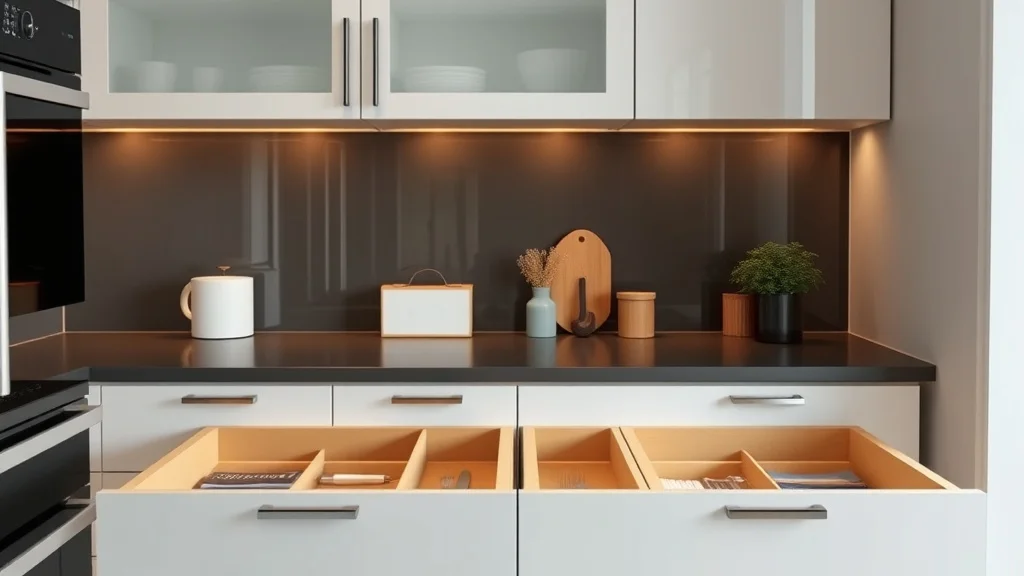
The kitchen is often considered the heart of the home, a bustling space where meals are created, and memories are made. Yet, amidst the culinary excitement, kitchen drawers often become the catch-all for utensils, tools, and random gadgets, leading to chaos and frustration. Organizing kitchen drawers with dividers can breathe new life into your kitchen experience. By ensuring everything has its place, you can enhance efficiency, save time, and reduce stress. This guide will dive deep into the various strategies to bring about order and harmony in your kitchen drawers using dividers.
Understanding the Need for Organization
Before delving into the solutions, it’s essential to understand why organizing kitchen drawers is such a game-changer. An organized kitchen promotes efficiency and cleanliness, reducing the time spent searching for utensils or dealing with clutter. With dividers, you create designated spaces for every item, which can also prolong their lifespan by avoiding unnecessary jostling and damage during drawer opening and closing.
Types of Kitchen Drawer Dividers
There are several types of kitchen drawer dividers, each serving various purposes and fitting different drawer configurations. These range from customizable systems that you can adjust to fit your needs, to pre-molded trays designed for specific items like cutlery or spices. Knowing the types available is the first step in choosing the right system for your kitchen.
The Two Main Types of Drawer Dividers
Let’s break down the two most common types of kitchen drawer dividers: adjustable dividers and pre-molded inserts. Understanding these will help you make an informed decision tailored to your specific requirements.
Comparison of Adjustable Dividers and Pre-Molded Inserts
| Features | Adjustable Dividers | Pre-Molded Inserts |
|---|---|---|
| Flexibility | Highly flexible, can be adjusted to fit a variety of utensils | Limited flexibility, fits specific items only |
| Installation | Easy to install and rearrange as needed | Simple installation, but may require specific drawer dimensions |
| Cost | Can be more cost-effective over time due to reusability | Typically higher initial cost for specialized inserts |
| Customization | Offers extensive customization options | Limited to the design and size of the insert |
Choosing the Right Divider for Your Needs
Selecting the right divider involves assessing your kitchen’s specific needs, including the types of utensils you own and how often you use them. Consider the layout and size of your drawers, as some dividers might not fit all dimensions effectively. Measure your drawers and match them against potential dividers to ensure compatibility.
Materials Matter: Wooden vs. Plastic Dividers
The materials used in dividers can affect their functionality and longevity. Wooden dividers add a natural, aesthetic appeal and are durable but may require maintenance. Plastic dividers are affordable and easy to clean but might not withstand heavy usage over time. Select material based on durability needs, maintenance, and personal preference.
DIY Dividers: Customizing on a Budget
If you’re handy, DIY dividers can be a cost-effective alternative. Using materials like foam board, craft wood, or even recycled items, you can create custom dividers that fit perfectly in your drawers. The key is meticulous measuring and planning to ensure they meet your storage needs while staying within budget.
Maximizing Space with Tiered Inserts
Tiered inserts take drawer organization to the next level by introducing multiple levels of storage within a single drawer. This design is particularly effective for drawers with ample depth. By layering storage, you can effectively double or triple your usable space, making it ideal for small kitchens or extensive culinary collections.
Maintaining Organization Over Time
Establishing a system is only the beginning; maintaining organization requires consistent effort. Regularly assess the contents of your drawers and declutter any items that are no longer needed. Implement a routine of reorganizing every few months to ensure your kitchen remains as efficient as it began.
Common Mistakes to Avoid
There are pitfalls to be mindful of when organizing kitchen drawers. Overstuffing drawers, selecting the wrong size dividers, and failing to measure properly are common errors. Avoid these by planning thoroughly, using organizational tools wisely, and regularly reviewing your organizational methods.
Check prices on Amazon
Leveraging Technology for Organization
As technology advances, so do options for kitchen organization. Consider incorporating smart drawers or using apps that suggest optimal organization layouts. These technologies can provide innovative solutions to maximize space and maintain efficiency in your kitchen.
Frequently Asked Questions
How do I begin organizing my kitchen drawers with dividers?
Start by emptying your drawers entirely and sorting items into categories. Decide on which type of divider will best suit each drawer based on its contents and size.
How can I ensure the dividers fit my specific drawer dimensions?
Accurately measure the width, depth, and height of your drawers and compare these measurements to the potential dividers. Adjustable dividers offer the most versatility for varied drawer sizes.
Are wooden or plastic dividers better?
It depends on your priorities. Wooden dividers offer durability and an appealing look but may require more maintenance. Plastic dividers are budget-friendly and easy to clean but may not last as long under heavy use.
Can I create DIY dividers at home?
Yes, DIY dividers can be made using materials like foam board or craft wood. Ensure you measure accurately to create dividers that fit well in your specific drawers.
What are the benefits of tiered inserts?
Tiered inserts maximize space by utilizing the full depth of the drawer, effectively increasing the capacity and organization potential, especially in deeper drawers.
How often should I reorganize my kitchen drawers?
Aim to reassess and reorganize your kitchen drawers every three to six months to accommodate changes in your cooking habits and keep clutter at bay.
What should I do if I have irregular-sized drawers?
For irregular-sized drawers, adjustable dividers or custom DIY solutions can be highly effective. Customizable options can adapt to your specific needs.
How do I maintain organization over time?
Regularly check the condition of items and dividers, declutter unnecessary items, and revisit your organization approach periodically to ensure efficiency and functionality.
Final Thoughts
Organizing your kitchen drawers with dividers can transform your cooking experience into a more enjoyable, efficient, and stress-free activity. By carefully selecting the right type of divider, considering materials, and maintaining a systematic approach, you can enhance both the functionality and aesthetics of your kitchen. Whether through adjustable, pre-molded, or DIY dividers, the key is in the planning and commitment to keeping the system in place. Embrace the change, and watch as your kitchen becomes the epitome of organization and productivity.
