

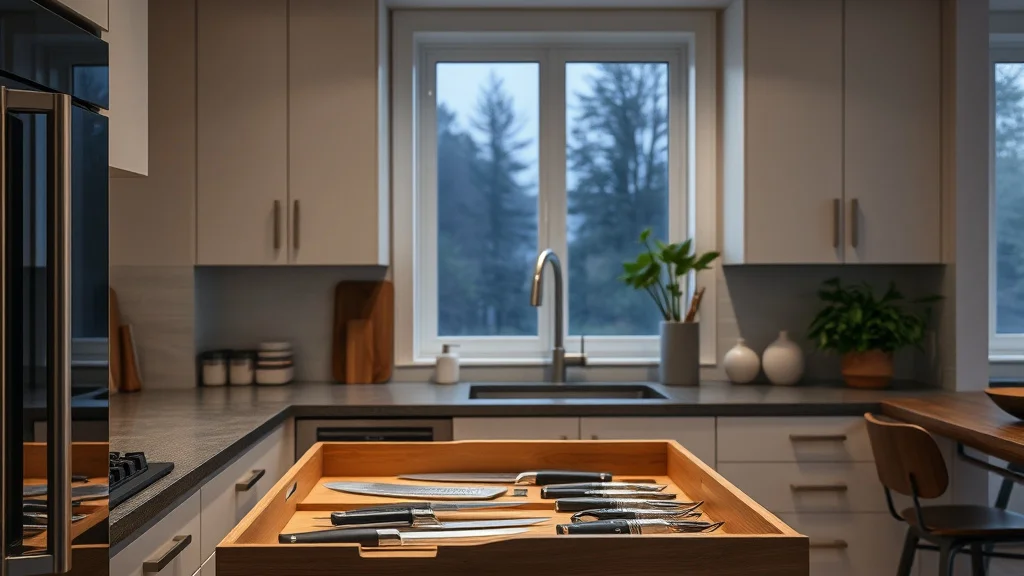
Knives are essential tools in any kitchen, but they can quickly become a hazard when not stored properly. A disorganized knife drawer not only poses dangers but also reduces efficiency while cooking. Ensuring the knives are stored safely can protect your kitchen, enhance your cooking experience, and extend the lifespan of your cutlery. Implementing the right organizational strategies can transform chaos into order, providing both safety and aesthetics to your kitchen space. Here, we explore effective ways to safely organize a knife drawer, considering essential factors such as accessibility, blade protection, and overall kitchen harmony.
Evaluating Your Current Knife Collection
Before diving into organizing your knife drawer, it’s important to evaluate the current state of your knife collection. Understanding what you have will guide you in choosing the best organizing solutions. Begin by taking an inventory of all the knives you own. Pay attention to different knife types, including chef’s knives, paring knives, bread knives, and specialty blades. Evaluating their condition is equally important. Assess for any damaged or sharpened edges, as these may require special storage considerations. By analyzing your current collection, you can better understand your organizational needs.
Understanding Safety Risks
A poorly organized knife drawer is a potential safety hazard. Exposed blades can lead to unintended cuts and injuries. When knives collide within the drawer, it can damage both the blades and handles. This unprotected interaction not only shortens their lifespan but also poses a risk each time you reach into the drawer. Considering the safety risks associated with a cluttered drawer can motivate you to find a more organized and secure method of storage.
Choosing Between In-Drawer Knife Blocks and Magnetic Strips
Two of the most popular solutions for organizing knives safely are in-drawer knife blocks and magnetic strips. Both options have their unique advantages and can be effective in different kitchen setups. These solutions not only prevent accidents but also protect the integrity of the knife blades. By understanding the benefits of each option, you can make an informed decision tailored to your kitchen needs.
| Feature | In-Drawer Knife Blocks | Magnetic Strips |
|---|---|---|
| Advantages | Space-efficient, protects blades, keeps knives out of sight | Quick accessibility, saves drawer space, visually appealing |
| Disadvantages | Limited to drawer space, requires a dedicated drawer | Requires wall space, not suitable for all kitchen layouts |
| Price Range | Moderate | Low to High, depending on material |
Advantages of In-Drawer Knife Blocks
In-drawer knife blocks are an excellent choice for those who prefer to keep their counters clutter-free. These blocks are specially designed to fit inside a drawer and protect each knife separately. They offer several advantages:
- Space Saving: They effectively use existing drawer space while keeping knives hidden and secure.
- Safety: Blades are covered, reducing the risk of accidental cuts.
- Blade Protection: Prevents knives from colliding with other utensils, preserving their sharpness and longevity.
Implementing Magnetic Knife Strips
Magnetic knife strips provide an innovative way to store knives with easy access. They utilize magnets to hold the knives in place. This storage solution offers several benefits:
- Visibility: Knives are displayed for easy selection while cooking, eliminating the need to rummage through drawers.
- Counter Space:** By mounting on the wall, they free up valuable counter space.
- Modern Aesthetics: Available in a variety of designs, they can add a modern touch to your kitchen decor.
Materials and Styles for Knife Organizers
Knife blocks and magnetic strips come in various materials and styles. Selecting the right one depends on personal preference and kitchen aesthetics. Popular materials include:
- Wood: Adds warmth and blends with traditional kitchen designs. Known for its durability and knife-friendly surface.
- Stainless Steel: Offers a sleek, modern appearance that complements contemporary kitchens. Easy to clean and resistant to moisture.
- Plastic: Affordable and versatile in design. While not as durable, they offer practical storage options.
Knife Maintenance During Storage
Proper knife maintenance involves more than just selecting the right storage solution. It’s essential to keep knives clean and sharp. Consider the following maintenance tips:
- Regular Cleaning: Wash knives after each use and dry thoroughly before returning them to storage.
- Sharpening: Regularly sharpen knives to maintain their efficiency. A well-maintained blade reduces accidents and improves cutting precision.
- Maintenance Checks: Periodically inspect for any damages or sharpening requirements.
Custom Solutions for Unique Kitchen Spaces
Every kitchen is different, and sometimes standard solutions may not fit. Custom organizing solutions offer a personalized approach to knife storage. Consider these possibilities:
- Built-In Drawers: For kitchens with specific storage requirements, consider building custom drawers to accommodate knife blocks.
- DIY Magnetic Boards: Create a magnetic knife board with materials that suit your kitchen’s theme.
- Tailored Inserts: Customizable drawer inserts can accommodate any knife collection size while maximizing space utility.
Ensuring Child Safety
Kitchens can be particularly hazardous areas for children, and knives pose a specific risk. Safety measures include:
- Childproof Locks: Use locks to secure knife drawers and prevent accidental access.
- Child-Friendly Zones:** Designate these areas where knives are kept out of reach.
- Education: Teach children from a young age about kitchen safety and the importance of not touching sharp objects without supervision.
Maximizing Drawer Space
Maximizing your kitchen drawer space can improve efficiency and safety. Additional tips include:
- Utilizing Multi-Level Organizers: Double or triple tier designs can separate different categories of knives and utensils.
- Decluttering:** Regularly assess and dispose of damaged or seldom-used knives to prevent overcrowding.
- Fitting Inserts: Utilize adjustable inserts to grow or shrink with your collection.
Creating a Safe Access Routine
Implement a routine for accessing and storing knives that promotes safety. Consider these practices:
- Consistent Organization:** Return knives to their designated spots after each use to avoid misplacement.
- Tagging:** Label spots in drawers for different knife types to speed up the process and to ensure safe and proper storage.
- Careful Handling:** Always handle knives by the handle to minimize injury risk.
Frequently Asked Questions
How often should I clean my knife drawer?
It’s recommended to clean your knife drawer or organizer every few weeks to prevent dust and food particles from accumulating. Regular cleaning ensures hygiene and prevents any potential blade corrosion.
Can I store other utensils with my knives in a drawer?
While possible, storing other utensils with knives can lead to damage and disorganization. If necessary, use dividers or separate compartments within the drawer to keep knives protected.
What should I look for in a knife block if I have a small collection?
For smaller collections, select a compact in-drawer knife block or a short magnetic strip. Ensure it has the flexibility to accommodate additional knives should your collection grow.
Are magnetic strips safe for storing all types of knives?
Magnetic strips are safe for most types of metal knives. However, knives with flexible blades, or those made of non-magnetic materials such as ceramic, may require alternative storage solutions.
What is the ideal way to sharpen knives before organizing them?
You can sharpen knives using a whetstone, honing rod, or an electric sharpener. Sharpening before organizing ensures that your knives are ready for use and helps maintain their condition.
Should I store knives with blade guards?
Blade guards provide an extra layer of protection and are beneficial when knives are stored with other utensils. They are especially useful in drawers without individual slots or compartments.
How do I know if my current organizational method is effective?
An effective organizational method should enhance safety, provide easy access, maintain the condition of your knives, and foster a clean and efficient kitchen environment. Regularly assess these factors and adjust if necessary.
Can custom solutions be cost-effective for knife storage?
Custom solutions vary in cost but can be designed to fit your budget. They offer tailored storage that optimally uses space and meets specific needs, potentially saving money compared to unnecessary replacement of damaged knives.
Final Thoughts
Organizing a knife drawer safely is more than just a matter of convenience; it is essential to kitchen safety and efficiency. Evaluating your current situation, understanding the safety implications, and selecting the right tools—be it an in-drawer knife block or magnetic strip—will play a pivotal role in creating a safer and more functional kitchen. Remember to regularly maintain your knives, periodically reevaluate your storage solutions, and implement child safety features where necessary. With the right approach, you can transform your knife drawer from a hazard into a well-organized, professional, and stylish aspect of your kitchen.
