

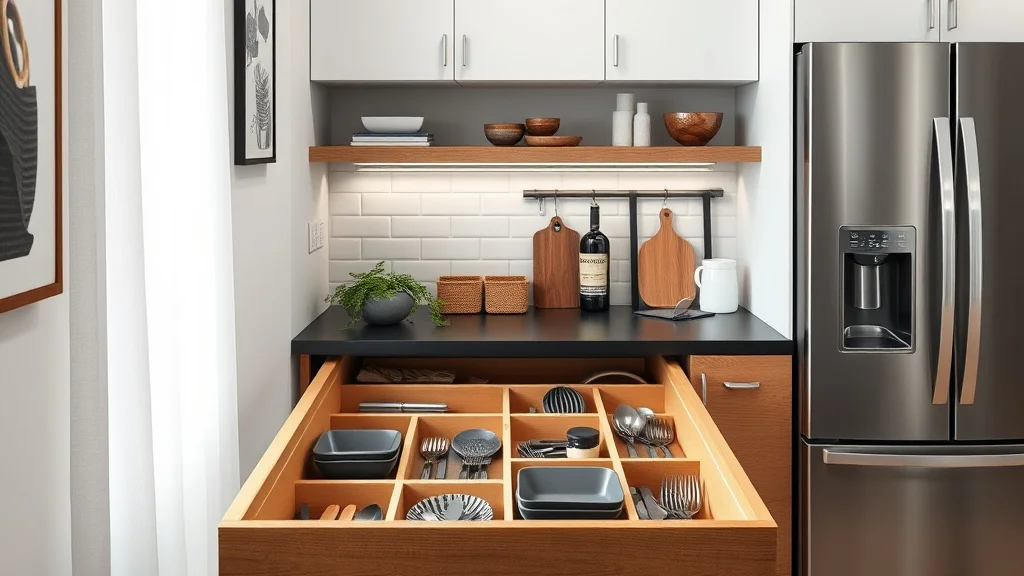
In the bustling environment of a kitchen, organization is key to maintaining efficiency and harmony. A cluttered utensil drawer can be a source of frustration when preparing meals or setting tables. Proper organization not only saves time but also enhances the overall cooking experience. In this comprehensive guide, we will explore methods to organize your utensil drawer, ensuring every item has a designated place and is easily accessible.
Understanding Your Needs
Before diving into the organization process, it’s crucial to understand your needs. Consider the utensils you use most frequently and the overall layout of your kitchen. Are you someone who does a lot of baking, or do you focus more on cooking hearty meals? This understanding will guide you in arranging your drawer efficiently.
Declutter and Purge
Start by removing all items from your utensil drawer and categorize them. Separate essentials from non-essentials. Ask yourself questions like How often do I use this? and Does it serve multiple purposes? Items that are seldom used or duplicated should be stored elsewhere or donated to free up valuable space for the items you use regularly.
Types of Drawer Organizers
There are primarily two types of drawer organizers – adjustable and fixed. Choosing the right one depends on your specific needs and drawer dimensions. Adjustable organizers offer flexibility, allowing customization to fit various utensils, while fixed organizers provide a structured layout for uniform items. Your choice will significantly impact the organization of your drawer.
| Type | Pros | Cons |
|---|---|---|
| Adjustable Organizer |
|
|
| Fixed Organizer |
|
|
Measuring Your Drawer
Accurate measurements are crucial for selecting the appropriate organizer. Use a tape measure to carefully determine the width, length, and depth of your drawer. These measurements will inform your choice, ensuring that the organizer fits perfectly and maximizes space.
Sorting by Function
Organize your utensils by function to streamline your cooking process. Separate cooking utensils like spatulas and tongs from serving utensils. Further categorize within these groups based on size and frequency of use. This system keeps your drawers tidy and facilitates easy upgrades as your collection grows.
Selecting the Right Organizer
Armed with your drawer measurements and a clear understanding of your utensil needs, it’s time to select an organizer. Consider factors such as material durability, cost, and the ability to expand or adjust compartments as needed.
Maintenance and Upkeep
Regular maintenance is key to sustaining organization. Set aside time each month to review and tidy up your utensil drawer. Wipe down organizers, check for wear and tear, and reassess your needs to maintain optimal functionality.
Utilizing Drawer Liners
Drawer liners are a practical addition to any kitchen setup, providing a non-slip base for organizers and protecting your drawer from scratches. Select a liner that’s easy to clean and fits snugly within the drawer dimensions.
Labeling Compartments
Labels add a professional touch and enhance ease of access. Consider labeling compartments within your organizer according to types of utensils or categories. This simple step can make a significant difference, especially if your kitchen is frequently used by multiple people.
Check prices on Amazon
Using Vertical Space
Vertical space within your drawers often goes underutilized. Consider stacking similar items or using drawer dividers to optimize this space, ensuring that larger or bulkier utensils don’t take up excessive room.
Frequently Asked Questions
Why should I organize my utensil drawer?
Organizing your utensil drawer saves time, enhances kitchen efficiency, and reduces stress when cooking or entertaining. It ensures you can easily find what you need when you need it.
How often should I clean my utensil drawer?
It is advisable to clean your utensil drawer at least once a month to maintain hygiene and organization. Regular cleaning helps prevent the buildup of crumbs and other debris.
Can I use DIY organizers?
Absolutely! DIY organizers are a cost-effective and customizable option. Use materials like cardboard or wood to create sections tailored to your utensil collection.
What if my drawer size is unusual?
For non-standard drawer sizes, custom organizers or adjustable options are ideal. These solutions can be tailored to fit unique dimensions, making them versatile for any space.
Are there specific materials I should consider?
Popular materials include plastic, wood, and metal. Each offers different benefits; for example, wood provides sturdiness, while plastic is easy to clean. Choose based on your preference and kitchen aesthetics.
Should I separate my silverware and utensils?
Yes, it’s best to separate them for easier access and organization. Silverware should be in a specific tray, while larger utensils benefit from a customized organizer.
How can I maintain an organized drawer?
Regularly declutter and reassess which utensils are essential. Use a systematic approach to ensure everything has a dedicated space, using labels, liners, and appropriate organizers.
What are some tools for drawer organization?
Aside from organizers and dividers, consider using tension rods, hooks, and magnetic strips for creative solutions to utilize drawer space more effectively.
Final Thoughts
Organizing a utensil drawer may seem like a straightforward task, but attention to detail can elevate your kitchen’s functionality and harmony. Whether you choose adjustable or fixed organizers, integrate labeling, or leverage vertical space, each decision plays a crucial role in achieving the perfect setup. With regular maintenance, your kitchen will remain a pleasant and efficient space, enhancing your daily cooking experience.
