

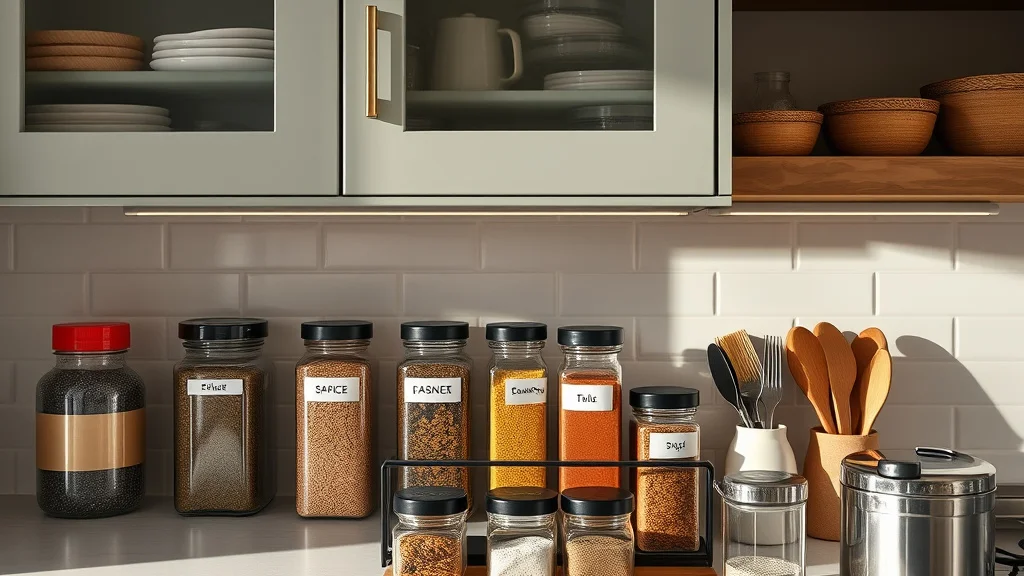
When it comes to managing your kitchen, a well-organized baking station can significantly streamline your culinary process and enhance efficiency. A critical component of this organization is the meticulous labeling and storage of spices and seasonings. Proper storage not only reduces clutter but also ensures that each ingredient is easily accessible and in optimal condition for your baking endeavors. In this article, we’ll explore the best practices for labeling and storing spices, aiming to transform your baking station from chaotic to orderly with professional strategies.
Understanding the Importance of Spice Organization
Spices and seasonings are essential to baking, infusing dishes with flavor and aroma. However, with numerous jars and containers in a typical kitchen, these ingredients can quickly become disorganized. Proper organization not only simplifies the cooking process but also prevents waste by ensuring you’re using your spices and seasonings efficiently before they lose potency. A clear labeling system is vital, helping you quickly identify and grab what you need without fumbling through disorganized piles.
Essential Tools for Spice Labeling and Storage
Before diving into organizing, it’s essential to equip yourself with the right tools. Consider investing in:
- Label Maker: A reliable label maker can produce clear, durable labels, ensuring your jars are easy to read.
- Uniform Containers: Using jars or containers of the same size aids in maximizing space and maintaining consistency.
- Spice Rack: Opt for a versatile rack that fits your space and meets your storage needs, whether it’s a wall-mounted, drawer insert, or countertop version.
Planning Your Spice and Seasoning Layout
The first step in setting up an efficient spice arrangement is planning the layout. Start by categorizing your spices into frequently used versus occasional use. Keep the frequently used ones within arm’s reach. Next, arrange the spices alphabetically or by cuisine type (e.g., Italian spices together, baking spices in another section). Consider the accessibility of each spice relative to its usage in your baking station.
Comparison of Storage Options
Deciding between different storage options is crucial to organizing your baking station effectively. Below is a table comparing two popular storage methods – Drawer Inserts and Wall-Mounted Racks.
| Feature | Drawer Inserts | Wall-Mounted Racks |
|---|---|---|
| Capacity | Limited to drawer space and depth | Varies with rack size; generally larger capacity |
| Accessibility | Direct view and easy access when placed in top drawers | Easy retrieval with clear visibility |
| Aesthetic Appeal | Maintains hidden, minimalistic look | Visibly showcases spice collection |
| Installation | Simple, requires drawer space | May need mounting and space on walls |
DIY Spice Labeling Strategies
If you prefer a personalized touch to your spice labeling, consider creating your own labels. Customize them according to your style, using materials like chalkboard stickers or printable label sheets. Handwriting adds a personal touch, but ensure it’s legible. Protective spray coatings can be used to enhance durability.
Maintaining Freshness in Spice Storage
Keeping your spices fresh is crucial for preserving their flavor and potency. Store your spices away from heat, moisture, and direct sunlight. Metal or UV-protected jars are ideal for protecting contents from light exposure. Ensure that lids are tightly sealed after each use to prevent air and moisture from degrading the quality of your spices.
Maximizing Space with Creative Solutions
For those working with limited space, creative storage solutions are a must. Vertical space is often underutilized; consider stacking jars with tiered racks or using the back of cabinet doors for additional storage. Magnetic strips can also be installed on walls or the side of a fridge to hold metal-spiced jars, saving valuable counter space.
Integrating Technology in Spice Organization
Technology has seeped into every domain of our lives, including kitchen organization. Smart assistants can be used to catalog your spice inventory. Barcodes on labels can be scanned to track expirations using mobile apps. This integration helps in not only tracking but also swiftly restocking missing ingredients in your pantry.
Environmental Considerations in Spice Storage
Being environmentally conscious is increasingly important. Opt for reusable containers to minimize waste. Refill shops are a great way to purchase just the amount of spice needed without excess packaging. Consider recycling old spice jars for new, bulk spice purchases.
Budget-Friendly Spice Organization Tips
Organization doesn’t have to be expensive. Use recycled jars, such as baby food containers, for a low-cost alternative. Craft stores often have sales on labeling materials, and many online stores offer bulk discounts on organizational tools. Homemade solutions can also cut costs significantly while maintaining functionality and style. Check prices on Amazon
Seasonal Adjustments for Baking Spices
As seasons change, so do the spices and seasonings predominant in your kitchen. For instance, fall and winter involve more baking done with cinnamon, nutmeg, and clove. Adjust the prominence of these spices in your station during those months, swapping positions with lighter, summer spices to maintain efficiency.
Frequently Asked Questions
What is the best type of jar for spice storage?
Glass jars with airtight lids are ideal because they preserve flavor and aroma, offering better protection against moisture compared to plastic containers.
How often should I replace my spices?
Whole spices generally last 2–4 years, while ground spices last 1–2 years. However, replacing them every year ensures maximum flavor potency.
How should I organize spices in small kitchens?
Use wall-mounted racks or magnetic strips to utilize vertical space. Drawer inserts can also keep spices organized without taking up countertop space.
Is it necessary to alphabetize spices?
While not necessary, alphabetizing can make it easier to locate spices, especially if you have a large collection.
Are there digital solutions for spice management?
Yes! Apps and smart assistant integrations can help monitor spice inventory, keep track of expiration dates, and even find recipes using what’s available.
How can I ensure my spice labels are durable?
Use waterproof labels or apply a protective clear coating over labels to ensure durability against moisture and frequent handling.
Can I use spice jars for other kitchen items?
Absolutely, small jars can be repurposed to store herbs, condiments, or even non-perishables in the pantry to maintain a consistent organizational system.
What’s the minimalist approach to spice organization?
A minimalist approach involves only keeping essential spices you frequently use, reducing clutter by getting rid of those you rarely touch.
Final Thoughts
Organizing your baking station is a small effort that leads to tremendous payoff in terms of efficiency and the joy of cooking. By implementing a clear labeling system and choosing the right storage solutions, you can maintain a clutter-free, visually pleasing, and functional kitchen environment. Whether you’re hosting a festive party or simply cooking dinner on a weeknight, a well-organized spice area saves time and allows you to focus more on the art of baking. Start with the basic steps outlined in this guide and adjust according to your unique needs, ensuring your spice and seasoning storage not only matches but enhances your culinary lifestyle.
