
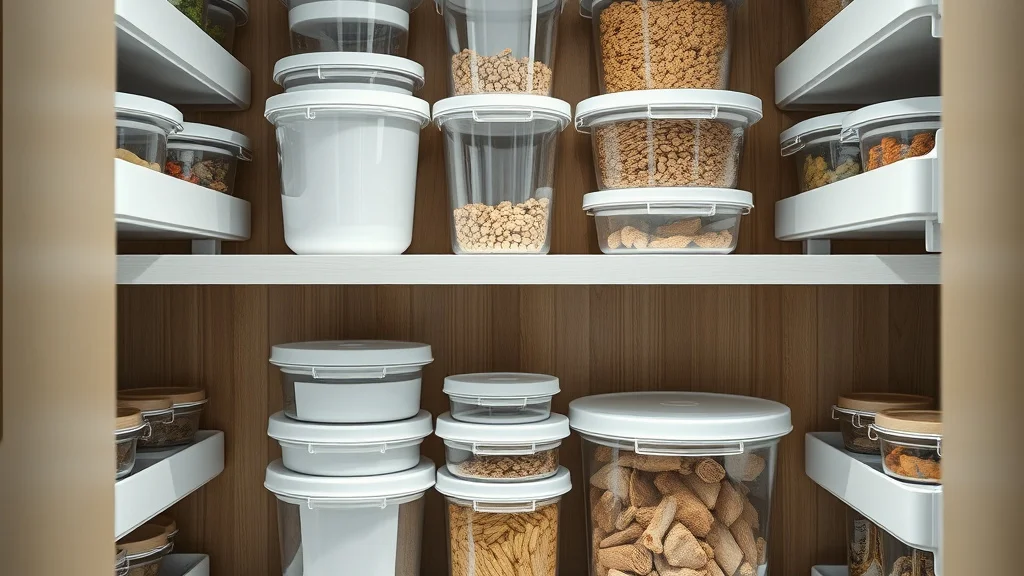
In the quest for an organized kitchen, the pantry is often the most overlooked area. The challenge of efficiently organizing food containers and their lids can create a frustrating cycle of chaos. Often, finding the right lid for a container becomes akin to searching for a needle in a haystack. Implementing an effective storage workflow not only maximizes space but also boosts productivity in meal preparation, helping you see at a glance what’s available and what’s not. This article will guide you through smart strategies to improve visibility and manageability of storage containers and lids in your pantry, ensuring that your kitchen runs smoothly.
Understanding Your Needs
Before diving into organization solutions, it’s crucial to assess your specific needs concerning food storage containers. Consider the type and frequency of your cooking habits, which affect the size and variety of your storage needs. For instance, a person who batch cooks will have different requirements compared to someone who prepares meals individually. Evaluate how often you use each container and lids, and take into consideration the materials—whether glass, plastic, or metal—that best suit your pantry environment and long-term storage strategy.
Categorizing Containers
Once you understand your needs, the next step is to categorize your containers based on use. Categorization helps in creating a logical and easily accessible layout for all your food storage needs. Typically, the categories might include dry goods, leftover meals, snacks, and refrigeration or freezing purposes. Label each group clearly and consider color-coding options for quicker identification. Aligning containers with these categories streamlines your pantry and reduces the time spent searching for the right container.
Different Container Storage Options
In terms of organization, there are two primary strategies when it comes to storing food containers and lids: stacking containers with lids attached and organizing them separately. Each method has its advantages and challenges, which are summarized in the table below:
| Storage Method | Advantages | Challenges |
|---|---|---|
| Stacking Containers with Lids |
|
|
| Separate Containers and Lids Organization |
|
|
Choosing the Right Storage System
Having identified your container strategy, it’s time to choose a storage system that fits your pantry and lifestyle. Opting for adjustable shelves or modular storage containers can greatly enhance your pantry’s versatility. Look into tiered shelf organizers that allow easy access and visibility to each item stored. Additionally, employing clear storage bins can help you see contents at a glance and save time during meal prep. The organizational principle here is simple: utilize your pantry’s height and depth wisely.
Labeling Your Containers
Effective labeling can transform your pantry from a place of dread to a model of efficiency. Consider purchasing a label maker or using simple adhesive labels to clearly mark each container’s category or content. For those who prefer a more aesthetic approach, chalkboard labels provide reusable and stylish options. Consistent labeling practices prevent confusion and maintain organized storage over time. By quickly identifying each item, you ensure the right container is selected every time without unnecessary guesswork.
Using Space Efficiently
Maximizing pantry space requires creative thinking, particularly in smaller kitchens. Implement vertical stacking solutions that take advantage of overhead space. Slide-out shelves or lazy Susan turntables can offer surprising additional space. Moreover, detachable magazine racks can be repurposed to efficiently store lids vertically, providing easy access. Consider investing in shelf risers to double the storage capacity of a single shelf, effectively using every inch available to its highest potential.
Decluttering the Pantry
Regular decluttering is essential to maintain an organized pantry. Set a monthly reminder to clear out any expired goods or unused containers, freeing up space for essentials. Adopting a minimalist approach ensures that only necessary items consume shelf space. Decluttering also presents an opportunity to reassess storage practices and make adjustments as family needs evolve. The cleaner your pantry space, the quicker you can find items, leading to a more functional kitchen routine.
Implementing Easy Maintenance Solutions
The ongoing maintenance of an organized pantry can be simplicity itself provided you incorporate user-friendly solutions. Set up rules for immediately putting items back in their assigned places right after usage. Consider using a consistent storage system, wherein newly washed containers are always placed in the same position. Encouraging the whole family’s participation ensures that the effort does not rest on one individual’s shoulders, keeping the system sustainable and tidy.
The Role of Technology in Organization
Leveraging technology in organizing your pantry offers innovative solutions that were once unimaginable. Digital apps can assist in tracking pantry inventory and expiration dates. Tablet or smartphone applications like Pantry Check or CozZo not only help keep track of stock but also suggest recipes based on available ingredients. Smart labels that incorporate QR codes could link containers to detailed information like recipes and nutritional contents digitally. As a result, technology can amplify efficiency and transform how your pantry operates.
Sustainable Practices in Organizing
Sustainability is an essential aspect of modern kitchen organization. Invest in high-quality, reusable containers that reduce dependency on disposable packaging. Glass containers, although heavier, are durable and do not absorb odors or stains, making them a favorite for long-term use. When organizing, consider reducing plastics and, where possible, recycle old containers. Adopting these sustainable practices not only benefits the environment but also fosters a cleaner, healthier kitchen atmosphere.
Customizing the Pantry to Fit Your Style
Your pantry should be as unique as your cooking style. While functionality is paramount, adding a personal touch can create a compelling space you’ll love using. Incorporate your favorite colors, patterns, or textures into the design of your pantry. Decorative baskets, stylish jars, or personalized chalkboard signs can make the pantry both organized and visually appealing. By customizing the space to suit your taste, you foster an environment that encourages cooking enthusiasm and culinary creativity. Check prices on Amazon
Inspirations from Professional Organizers
Researching professional organizers’ strategies can provide inspiration and practical methods applicable to your pantry organization project. Many experts advocate for the principle of ‘less is more’ and suggest investing in good-quality, modular storage systems that can adapt to different spaces. They often emphasize the importance of regular auditing of pantry items and seasonal reorganizing. Shelving systems designed by professionals typically emphasize both utility and aesthetics, offering solutions that align with day-to-day cooking activities.
Exploring DIY Organization Projects
For those inclined towards Do-It-Yourself projects, organizing a pantry provides an exciting opportunity to express creativity and functionality. Craft custom dividers to separate specific container sets or design your own labeling system for a personal touch. DIY projects like creating a chalk-painted section or installing pegboards for lid storage can be both fun and functional. Tailoring solutions specifically for your needs ensures the pantry keeps working smoothly while reflecting personal creativity.
Frequently Asked Questions
What is the best way to store lids separately?
To store lids separately, consider installing a lid rack or using tension rods within drawers to keep them upright and in order.
Can I use wall space for container storage?
Yes, wall-mounted racks or pegboards can efficiently store containers and lids, keeping them visible and easily accessible.
How to prevent container clutter in smaller kitchens?
Use stacking and nesting containers to save space and declutter regularly to remove items that are no longer necessary.
Are there eco-friendly container options?
Yes, containers made from glass, bamboo, or recycled materials are sustainability-focused alternatives to conventional plastic containers.
How often should you reorganize your pantry?
Periodic reorganization every three to six months ensures that expired items are removed and layout adjustments are made to reflect any changing needs.
Is it worth investing in modular storage containers?
Investing in modular storage containers can be highly beneficial as they provide uniformity, save space, and can be reorganized easily to fit different requirements.
How can I ensure kids find their snacks easily?
Designate lower shelves specifically for children’s snacks and lunches, making them easily accessible to the little ones.
What is the advantage of clear storage bins?
Clear storage bins allow you to see contents at a glance, reduce the time searching for items, and maintain a neat and organized pantry.
Final Thoughts
Redefining the way you store food containers and lids in your pantry is more than just about tidiness; it’s about enhancing functionality and efficiency in your kitchen. By implementing a thoughtful storage strategy that includes assessing needs, categorizing, utilizing vertical space, and incorporating technological aids, you create a system that significantly elevates the day-to-day cooking experience. Regular maintenance and a personalized touch ensure the space remains not only useful but a joy to use. With these actionable planning and organizing tips, your pantry can transform from a clutter-prone area into a model of organization and simplicity.
