
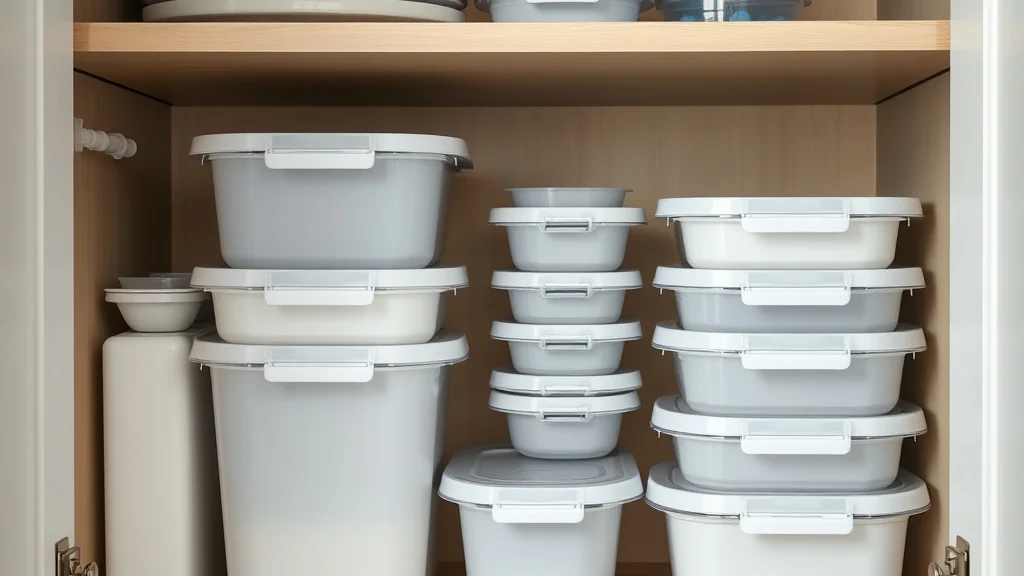
Keeping an organized kitchen is an achievable goal when you harness the right storage solutions. Among the common kitchen stressors is managing food containers and their sometimes elusive lids. Cooking and storing food becomes a much less daunting task when you have an efficient food container and lid storage system in place. This guide will explore innovative, no-drill storage solutions for your cabinets, ensuring that you can quickly and easily match lids to containers, keep your storage neat, and even reclaim some precious kitchen space.
Understanding the Challenges of Container and Lid Storage
The main challenge with food container and lid storage is that it often ends up in disarray. The variety in sizes and shapes of containers can make it difficult to keep their corresponding lids organized. This disorganization leads to unnecessary stress during meal prep and food storage. Especially in small kitchens, maximizing space without unsightly drilling or permanent fixtures is crucial.
The Benefits of a No-Drill Storage Solution
Opting for a no-drill storage system brings several advantages. It preserves your cabinet’s integrity, making it ideal for renters or those unwilling to make permanent changes. Such systems are also generally easier to install and adjust. More flexibility in setup means you can trial different configurations to see what maximizes your space without committing to one style.
Types of No-Drill Storage Solutions
No-drill storage solutions fall mainly into two categories: freestanding options and adhesive-based systems. Each type has its distinct features and advantages, meaning there’s a suitable choice for different needs and preferences.
| Solution Type | Features | Advantages |
|---|---|---|
| Freestanding Racks | Portable, Easy to Clean | No installation needed, adaptable, often has adjustable dividers |
| Adhesive-Based Systems | Stick-On, Space-Saving | No tools required, great for smaller spaces, often customizable |
Utilizing Freestanding Racks in Cabinets
Freestanding racks offer a versatile solution for organizing container lids. These racks can easily be placed inside cabinets and typically feature adjustable dividers that allow you to customize the storage space based on your container lid size and amount. They are also portable, which means you can reposition them with ease to accommodate changes in kitchen layout or inventory.
Choosing the Right Materials for Racks
When selecting freestanding racks, consider materials like stainless steel, plastic, or bamboo. Each material has benefits:
- Stainless Steel: Durable and sturdy, best for heavy lids.
- Plastic: Lightweight and easy to clean, perfect for smaller lids.
- Bamboo: Eco-friendly and aesthetically pleasing.
Matching these materials to your kitchen style can also enhance visual harmony.
Using Adhesive Storage Solutions
Adhesive storage systems, such as stick-on lid holders or corner racks, are perfect for spaces where freestanding options might not fit. These solutions can be attached to cabinet doors or the inside walls of a cabinet, effectively using vertical space. Ensure that the adhesives are sturdy to handle the weight of different lids without falling.
Aligning Storage with Kitchen Layout
Your kitchen layout severely impacts how you can organize your container storage. For example, a U-shaped kitchen might have more cabinet space to utilize freestanding racks, while a linear kitchen might benefit from adhesive systems due to limited wall space. Assess your layout and envision how different systems could complement your workflow.
Incorporating Zip Bag Storage for Lids
For those dealing with a large variety of container lid sizes, using labeled zip bags can help. These can be easily stored within a larger bin or hung across hooks or racks. When done thoughtfully, this approach can clear out clutter efficiently.
Labeling and Categorization
Using labels and categorization helps in never having to rummage through piles of lids again. Color-coded labels, chalk markers, or adhesive tags can all be implemented to streamline the matchup process. Categorizing lids and containers by size or type further aids in faster, hassle-free retrieval.
Maintaining Consistency in Organization
Achieving an organized cabinet is one thing; maintaining it is another. Consistency can be maintained by regularly decluttering your system to remove containers and lids that no longer serve your needs. Make it a point to assess your storage needs periodically and adjust your systems accordingly. Check prices on Amazon
Tips for Maximizing Cabinet Space
Your goal should always include maximizing space. Incorporating stackable containers can save space. Additionally, consider utilizing cabinet doors for storage — stick-on hooks or slim baskets can turn that space into functional storage real estate.
Frequently Asked Questions
How can I keep lids from falling over in my cabinet?
Utilize a lid organizer with adjustable dividers or employ adhesive hooks on the inside of cabinet doors to secure lids in place.
Are adhesive-based systems safe for all cabinet types?
Most adhesive systems are safe for a variety of surfaces, but it’s always advised to ensure compatibility and follow manufacturer guidelines for specific material requirements.
How do I prevent damage to my cabinet surface using adhesives?
Choose high-quality adhesives that are designed to leave no residue. Test on a small area first before full application.
How often should I reorganize my container storage?
It’s ideal to reassess your storage every six months or with any major life changes, like moving or switching to a more minimalist lifestyle.
What if my cabinets are too shallow for freestanding racks?
Consider slimmer, vertical adhesive-based storage solutions that can be installed on doors or side walls.
Can I stack containers to save space?
Yes, stackable containers are a great choice for space efficiency and are worth investing in.
What containers are best for limited space?
Opt for containers that nest within one another and have interchangeable lids for utmost space-saving capabilities.
How can I ensure a sustainable storage solution?
Choose durable materials like bamboo or recycled plastics, and aim to apply solutions that won’t require frequent replacements.
Final Thoughts
Establishing a no-drill food container and lid storage system provides considerable benefits beyond mere organization. Not only does it simplify your kitchen tasks, but it also contributes positively to your mental clarity and efficiency in meal preparation. By understanding the different options available and choosing the right system that aligns with your needs and space, you will unknowingly enhance your culinary experience. Remember, organizing your kitchen is a continual process — keep adapting your methods for a sustainable lifestyle.
