

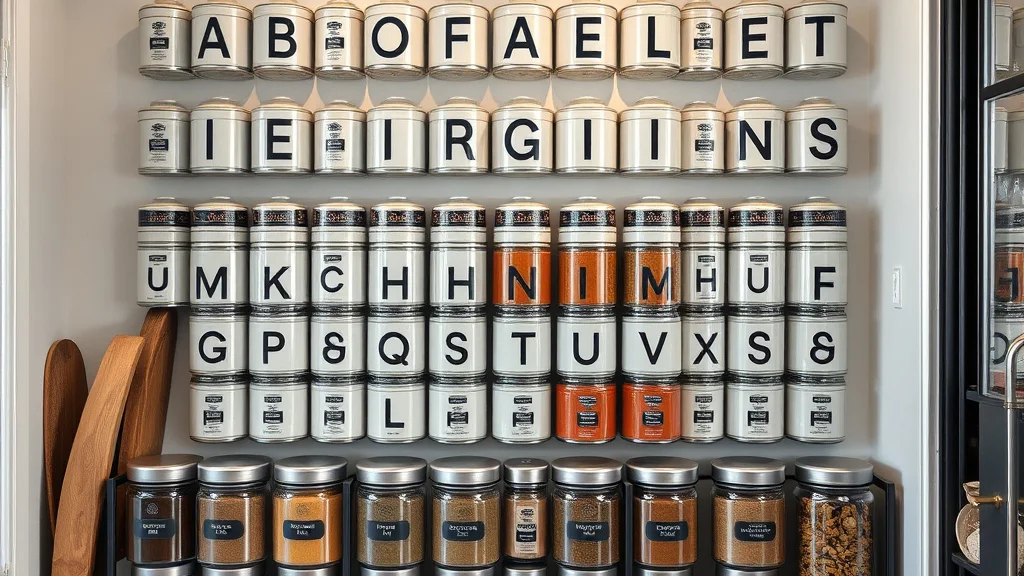
Storing your tea tins, spices, and seasonings in an organized manner is not just a task that improves your kitchen aesthetics, but it also enhances your culinary efficiency. When you can easily locate your favorite tea or the perfect seasoning to complete a dish, cooking becomes an absolute joy rather than a harried search. Alphabetizing tea tins and organizing spices is an achievable and rewarding endeavor that can transform your pantry into a functional and visually pleasing space. In this guide, we’ll delve into the world of pantry organization focusing on alphabetizing your tea tins alongside efficient spice and seasoning storage.
Understanding the Need for Organization
An organized kitchen, especially a neatly arranged spice drawer and tea collection, can significantly improve your cooking experience. Imagine no longer having to search through mismatched tins and jars to find the exact ingredient you need. Keeping a systematic inventory saves time, minimizes frustration, and ensures you’re always aware of what you have, preventing over-purchasing and wastage.
- Efficiency: Quick access means faster meal preparation.
- Space-saving: Proper organization can increase your usable space.
- Visual appeal: A neatly organized pantry is more inviting and motivational.
Choosing the Right Storage Solution
The foundation of an organized tea and spice drawer starts with choosing the right storage solution. This includes selecting between in-drawer storage or using a designated shelf. Each option has its advantages, depending on your kitchen layout and personal preferences.
- Drawer Storage: Perfect for small kitchens where counter and cabinet space is limited.
- Shelf Storage: Ideal for spacious kitchens, providing ample space and easier access.
Comparison of Drawer Storage vs. Shelf Storage
| Criteria | Drawer Storage | Shelf Storage |
|---|---|---|
| Space Requirement | Minimal | Requires Dedicated Space |
| Accessibility | Convenient for quick access | Highly accessible with clear visibility |
| Cost | Inexpensive | Variable |
| Adaptability | Limited by drawer size | Highly adaptable |
Sorting Your Tea Collection
Start by emptying your tea drawer and lay out all your tea tins on a table. This process allows you to see what you have before categorizing them. Whether you are a seasoned tea enthusiast or a casual drinker, clustering similar types of tea together can help you maintain organization in the long run.
- Group by Type: Separate black, green, herbal, and flavored teas.
- Expiry Check: Remove expired or stale teas.
- Volume Analysis: Determine the tins you use most often.
Alphabetizing Your Tea Tins
Once categorized, alphabetization will make it even easier to locate your favorite blend. Use the opportunity to assess the labels on your tins, ensuring they are legible and distinct. As you arrange your teas alphabetically, consider adding small, visible labels on the lids.
- Legibility: Ensure labels are clear and readable.
- Consistency: Use the same labeling style throughout.
- Maintenance: Regularly review and update the arrangement as necessary.
Optimize Spice and Seasoning Storage in the Drawer
Like your tea collection, spices, and seasonings benefit immensely from a well-planned organizational system. Sorting begins with laying out all the spices for evaluation. Take note of duplicates, best-before dates, and assess which spices you rarely use.
- Categorize by Cuisine: Arrange spices based on what dishes they complement.
- Shelf Life: Discard old and expired spices.
- Usage Frequency: Position frequently used spices for easy access.
Creating a Pantry Zone for Spices
Designating a specific zone in your pantry or kitchen drawer for spices and seasonings ensures they’re always within reach when cooking. This system limits the clutter, places your spices logically according to use, and simplifies inventory tracking.
- Zone Clarity: Distinct areas for spices, tea, and other pantry items.
- Ease of Use: Logical placement avoids disruptions during cooking.
- Inventory Management: Simple to see what’s running low.
Utilizing Organizers and Tools
There are ingenious tools and organizers available in the market that can help maximize your storage capabilities. Drawer inserts, tiered shelves, and magnetic strips transform disorganized chaos into a streamlined, efficient workstation.
- Drawer Inserts: Perfect for creating individual compartments.
- Tiered Shelving: Ideal for maximizing vertical space.
- Magnetic Strips: Innovative solution for metal tins and jars.
Step-by-Step Implementation
Now that you have the necessary information and tools, it’s time to put your plan into action. Implementing your storage solution requires patience, but will result in highly rewarding outcomes.
- Empty and Clean: Start with a clean slate for better arrangement.
- Sort and Label: Arrange and label as planned.
- Regular Upkeep: Make a habit of reevaluating and maintaining order.
Maintaining Organization
Consistency is key to maintaining any organizational system. A well-maintained pantry doesn’t just happen; it requires regular attention to ensure your storage system continues to function optimally. Check prices on Amazon
- Scheduled Checks: Set reminders to review your pantry’s contents.
- Avoid Clutter: Regularly purge items you no longer use.
- Adapt: Be willing to tweak your system as your needs change.
Frequently Asked Questions
Can mixing different storage solutions be effective?
Absolutely! Mixing drawers and shelves can make use of all available space, especially in small kitchens.
How often should I review my pantry setup?
A quarterly review is recommended to ensure everything remains organized and nothing is expired.
What are the best materials for spice containers?
Opaque, airtight containers are best to prolong the life of your spices by protecting them from light and air.
How can I prevent moisture in my spice drawer?
Keeping your drawer away from damp areas and using airtight containers can help prevent moisture.
Is there a certain order I should follow when alphabetizing?
The standard A-Z approach works best unless you have a preference or frequent customers looking for specific items by category.
How can I best utilize a small spice drawer?
Use tiered inserts to stack spices, allowing visibility and ease of access in a confined space.
What is the most efficient way to label spice tins?
Label the lids for drawer storage and use clear, large print to ensure legibility.
Should I alphabetize spices and teas separately?
It’s generally more efficient to keep spices and teas alphabetized separately since they serve different functions in your kitchen.
Final Thoughts
Organizing your tea and spice collection isn’t just about aesthetics; it’s about enhancing your efficiency, reducing waste, and ensuring an optimal cooking experience. From choosing the right storage solutions to maintaining an organized setup, each step contributes to a streamlined kitchen operation. Patience and consistency are key; with time, these practices become second nature, making your kitchen a more enjoyable space. With thoughtful planning and a commitment to maintaining order, you’ll find that your pantry becomes the backbone of a smoothly running culinary haven.
