

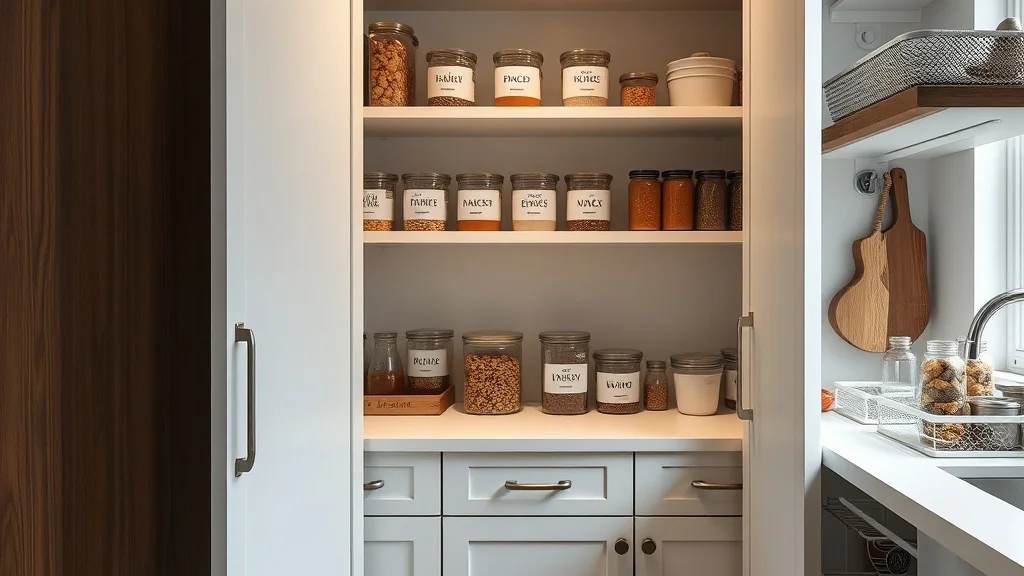
Pantry organization is an essential aspect of maintaining a clutter-free home. By implementing effective pantry labels and systems, you not only streamline your kitchen routine but also involve your family in maintaining an organized space. In today’s busy world, organizing your pantry can promote efficiency and reduce stress by ensuring that everyone knows where to find what they need. Whether you have an expansive walk-in pantry or a modest cupboard, discovering the right labeling strategy can transform your storage experience and engage the entire family in the process.
The Importance of Pantry Organization
Organizing your pantry has more benefits than just visual appeal. It enhances the functionality of your kitchen and aids in quickly finding ingredients. By implementing a structured system, you can also extend the shelf life of food products by making visible the items that need to be consumed first. Additionally, an organized pantry reduces food wastage by ensuring that perishable items are prioritized. A well-ordered pantry promotes healthier eating habits as you can keep track of your provisions more efficiently.
Pantry Labels: Essential Tools for Organization
Pantry labels are crucial components of any kitchen storage system. They simplify the identification of items, making it easier to categorize and locate them. Labels can prevent the chaos created by unmarked containers, providing clarity and consistency. From aesthetic label designs that enhance your pantry’s look to practical ones designed for ease of reading, the choice of labels should align with your specific needs and family dynamics.
Types of Pantry Labels
- Pre-printed Labels: These are commercially available and offer a wide range of pre-named items, perfect for those looking for uniformity and professional appearance.
- Customizable Labels: Ideal for those with unique pantry needs or who desire a personalized touch. These can be handwritten or printed depending on preference.
The choice between these two depends on your household’s needs and aesthetic preferences. Below is a table comparing these two main options:
| Attribute | Pre-printed Labels | Customizable Labels |
|---|---|---|
| Availability | Readily available | Requires personal input |
| Aesthetic Range | Uniform but limited designs | Fully personalized |
| Implementation Speed | Quick | Requires more time |
| Cost | Can be costly | Variable, often cheaper if DIY |
How to Choose the Best Pantry Labels
Choosing the right pantry labels involves considering your pantry style, the level of clarity needed, and your budget. Think about the visibility of the pantry from other areas of the kitchen, and whether the labels need to be visible from a distance. Assess if you prefer minimalistic designs or labels that incorporate colors and patterns. Consider the material of your containers since certain labels adhere better to specific surfaces. Balance functionality and aesthetics to complement your kitchen’s overall design.
Setting Up the Pantry Zones
Creating distinct zones within your pantry can maximize space utilization and improve accessibility. Start by identifying categories within your food items, such as baking supplies, canned goods, snacks, and cereals. Designate specific shelves or sections to each category to eliminate clutter. By maintaining dedicated areas, family members can easily identify where to store and retrieve items, thus maintaining organization and reducing misplacement.
Implementing Date Stickers for Expiry Management
Date stickers are invaluable for managing the freshness of your pantry items. Use these to label perishables and even non-perishables to keep track of usability timelines. Encourage family members to place newly purchased items at the back, pushing older items forward to be used first. This method not only minimizes food waste but also heightens food safety by preventing the consumption of expired goods.
Establishing a Family-Friendly System
Creating a family-friendly pantry system involves selecting labels that are easy for children and adults to read and understand. Utilize colors, icons, or simple words to communicate the contents of each storage container effectively. Involve all family members in setting up the system, which will help them understand and commit to maintaining it. Consistent reinforcement and gentle reminders will cultivate a routine that becomes second nature.
Incorporating Clear Containers
One of the most effective strategies for maintaining an organized pantry is to make use of clear containers. With clear containers, the contents are easily visible, reducing the chances of items going unnoticed and expiring. These containers work well alongside labels, providing a dual system of identification. Ensure that containers have suitable seals to maintain freshness, and select stackable designs to optimize space.
Routine Pantry Checks
Regular pantry checks are imperative to maintaining order and catching potential clutter before it becomes overwhelming. Allocate a specific time weekly or bi-weekly to reassess the pantry’s organization, check expiry dates, and restock necessary items. By doing so, you keep the pantry well-maintained and ensure that family members stay aligned with the system.
Encouraging Family Participation in Organization
Getting the entire family involved in pantry organization fosters a sense of responsibility and teamwork. Assign different tasks to each family member, such as labeling, arranging items, or weekly clean-ups. Discuss the benefits of an organized pantry with your family to motivate them, emphasizing how it simplifies daily tasks and enhances the kitchen experience. Check prices on Amazon
Utilizing Technology in Pantry Organization
Incorporating technology can further streamline pantry organization. Several apps allow you to track inventory, manage grocery lists, and create reminders for expiration dates. Using technology, even in simple ways, can provide structure and aid in keeping your pantry system efficient and up-to-date.
Frequently Asked Questions
What type of labels work best for a pantry?
The best type of labels for a pantry are ones that fit your style and readability needs. Pre-printed labels offer uniformity, while customizable ones offer flexibility.
How do I encourage my family to maintain the pantry system?
Involve your family in the initial setup and clearly communicate the benefits of an organized pantry. Assign roles and remind them gently of the established process.
Why are date stickers important?
Date stickers are important to ensure that food items are used within their shelf life. They minimize waste and promote safety by keeping expired items at bay.
What is the benefit of using clear containers?
Clear containers allow you to see the contents easily, preventing items from being forgotten and expiring unnoticed. They offer a see-through system that works well with labels.
How often should pantry checks be conducted?
Pantry checks should be conducted weekly or bi-weekly. This regular routine helps keep the pantry organized and ensures all food stays fresh and correctly stored.
Are there apps for managing pantry organization?
Yes, several apps can help manage pantry organization by tracking inventory, creating grocery lists, and setting reminders for expiration dates.
What kinds of items benefit most from zoning in the pantry?
Bulk items, baking supplies, canned goods, snacks, and cereals benefit most from zoning, as they tend to accumulate and can easily create clutter.
How do I choose the right containers for my pantry?
Choose containers that fit well with your available space, offer good seals for freshness, and are stackable for maximizing storage efficiency.
Final Thoughts
Effective pantry organization systems encompassing well-thought-out labels, zones, and routines result in a streamlined, clutter-free kitchen environment. By dedicating time to designing a personalized system that suits your family’s needs and regularly engaging with the pantry, each family member becomes a key contributor to maintaining this crucial space. By integrating these techniques into your household routine, not only is efficiency enhanced, but a sense of shared responsibility and family involvement is cultivated, leading to a more harmonious home environment.
