

Introduction
In small kitchens, space is often at a premium, making efficient organization an absolute necessity. Without a decent storage plan, it’s easy for your pantry to become cluttered and chaotic. The solution lies in strategic planning and utilizing small kitchen pantry solutions designed to maximize every inch of space. Whether you’re dealing with a tight apartment kitchen or seeking to improve an already organized space, the right storage solutions can make all the difference. This article will guide you through various creative and practical strategies to effectively manage your pantry, focusing on what to store and how to store it to reduce clutter and improve accessibility.
Canned Goods: Tips for Storing and Maximizing Space
Canned goods are a pantry staple, but they can quickly clutter shelves. When managing canned goods, the goal is to make them accessible while maintaining neatness. Consider the following strategies when storing canned foods:
- Stackable Can Racks: Use tiered can organizers to stack various sizes of cans without placing them directly on top of each other. This prevents the risk of falling and breaking.
- Rotate Stock: Place newer cans at the back and older ones at the front to ensure they are used before their expiration date.
- Utilize High Shelves: Store less commonly used canned items higher up while keeping daily essentials within easy reach.
Dry Goods: Creative Storage Solutions
Dry goods like pasta, rice, cereals, and grains can be hard to contain without proper storage solutions. The use of stackable bins and other containers can greatly reduce clutter:
- Airtight Containers: Use clear, airtight containers to store dry goods. This not only extends shelf life but also makes contents visible at a glance.
- Label Everything: Clearly label each container to avoid confusion when cooking and shopping.
- Vertical Staging: Stack containers vertically to take advantage of height in your pantry.
Comparison of Pull-Out Shelves vs. Stackable Bins
Choosing the right storage solutions for your pantry can be a daunting task. Two popular options include pull-out shelves and stackable bins. The table below compares these two solutions to help you make an informed decision:
| Feature | Pull-Out Shelves | Stackable Bins |
|---|---|---|
| Accessibility | Easy access to all items; items slide out for view | Requires lifting to access lower items; best for lighter goods |
| Space Utilization | Effective for wide pantries | Optimal for narrow, tall spaces |
| Installation | Requires professional installation | Simple to set up and rearrange |
| Cost | Higher due to complexity and materials | Generally lower and more budget-friendly |
Spices and Baking Essentials: Organizing Small Items
Small items like spices and baking essentials can quickly turn into a cluttered collection. Keeping these organized is pivotal for efficient cooking and baking:
- Magnetic Spice Jars: Affix magnetic jars to the inside of pantry doors or metal shelves.
- Tiered Spice Racks: Utilize tiered racks to display spices for quick selection.
- Drawer Dividers: Organize baking essentials like small packets of yeast and baking powder using drawer dividers.
Perishables: Storing Fresh Foods
While pantries are typically not for fresh foods, certain perishables benefit from a cool, dry environment. Proper storage ensures they remain fresh as long as possible:
- Onion and Potato Bins: Keep these root vegetables in separate stackable bins to avoid spoilage.
- Baskets for Bread: Reduce bread clutter with dedicated baskets that allow for airflow.
Small Appliances: Making Room for Kitchen Gadgets
Small appliances tend to take up significant space. Dedicate a part of your pantry or nearby cabinet space to these items to keep countertops clear:
- Appliance Lifts: Utilize a special lifting mechanism within cabinets to easily store and access appliances like mixers.
- Space-Saver Arrangements: Store appliances that are used together nearby to each other (e.g., coffee makers near coffee supplies).
Use of Overhead Space for Pantry Storage
Don’t forget the area above your head! Overhead storage can significantly supplement your space, especially in small kitchens:
- Hanging Baskets: Suspend baskets from the ceiling for fruits and large packages.
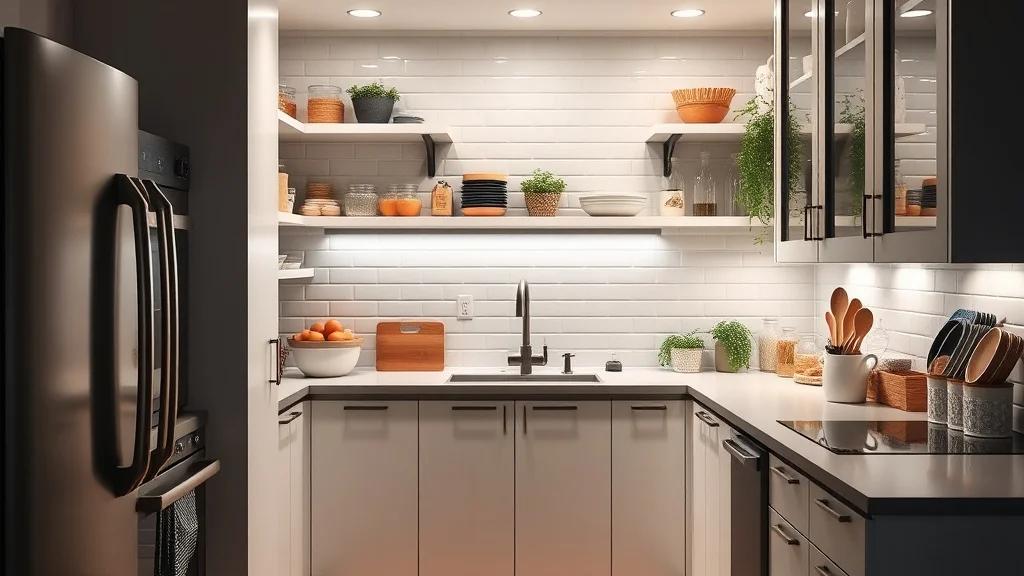
- Floating Shelves: Install shelves above eye-level for infrequently used items.
- Under-Cabinet Racks: Take advantage of the space under cabinets for storing wine glasses or flat items.
Utilizing Door Storage in the Kitchen
Maximize your pantry space by using the pantry door itself. Door organizers are highly efficient in utilizing otherwise unused space:
- Door-Mounted Racks: Install racks to hold spices, oils, or small jars.
- Hanging Organizers: Use fabric organizers for snacks or dry goods.
Maintaining Pantry Hygiene
Keeping a pantry clean is crucial to maintaining its functionality and preventing pests:
- Regular Cleaning: Wipe shelves and bins regularly to remove spills and crumbs.
- Pest Prevention: Use airtight containers and place traps if necessary.
Frequently Asked Questions
What is the best way to organize a small pantry?
The best approach is to categorize items, utilize vertical space, and employ stackable containers to keep things tidy and accessible.
Can I use the pantry for storing non-food items?
Yes, you can use the pantry to store non-food items, but it’s important to organize them separately from food to avoid contamination. Check prices on Amazon
How often should I clean my pantry?
Cleaning your pantry should be a regular task, ideally once a month, to keep it hygienic and organized.
What are some budget-friendly pantry organization solutions?
Stackable bins, door hanging organizers, and tiered racks are cost-effective solutions that maximize limited pantry space.
How can I make the most of vertical space in my pantry?
Use stackable bins and shelves, hang baskets from the ceiling, and install door racks to utilize vertical space efficiently.
Is it beneficial to label pantry items?
Labeling fosters organization, making it easy to find and identify items, and also helps with inventory management.
Can pull-out shelves be installed in rental properties?
It’s important to consult with the property owner or check your lease agreement. Temporary, removable options might be advisable.
Should dry goods be kept in their original packaging?
It’s better to transfer dry goods into clear, airtight containers to extend shelf life and ensure visibility.
Final Thoughts
A well-organized pantry is integral to a functional kitchen, especially in smaller spaces. With strategic organization and the right storage solutions, you can greatly enhance the utility and aesthetics of your kitchen pantry. Consider your specific needs and available space when selecting storage options like stackable bins or pull-out shelves. Implement practical solutions tailored to your kitchen’s layout, and regularly maintain your pantry to keep it clutter-free and hygienic. In doing so, you not only improve your cooking efficiency but also create a pleasant, stress-free culinary environment.
