

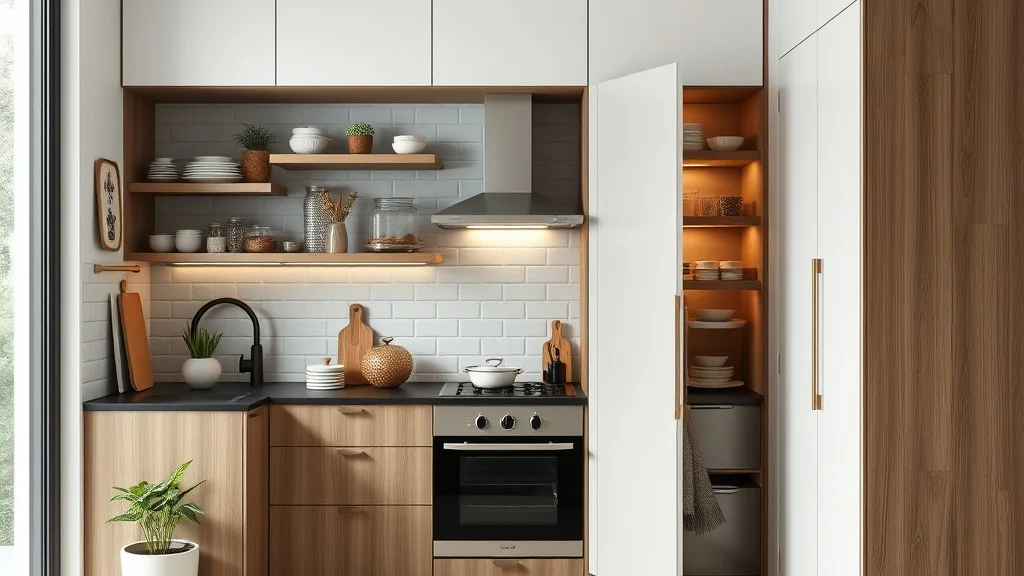
In many urban residences and bustling households, shared kitchens are becoming increasingly common. The dynamic of sharing a culinary space imposes an evident challenge: how to efficiently manage your essential kitchen items, particularly within a small kitchen pantry. For those seeking a practical and space-saving solution, this article will delve into the specifics of creating a streamlined kitchen pantry organization system. Whether you’re navigating the constraints of cramped apartments or simply partaking in communal living, these strategies are designed to maximize your space, foster ease of access, and maintain harmony with your kitchen companions.
Understanding Your Available Pantry Space
Before diving into pantry solutions, it’s crucial to fully understand the space at your disposal. In shared kitchens, pantry space may vary widely — it could range from a dedicated cabinet to just a couple of shelves. Begin by measuring the dimensions of your dedicated storage area and make notes on any specific constraints, such as the height of shelves or depth of cabinets.
- Consider utilizing vertical space with stackable containers or storage solutions.
- Identify underutilized areas like over-door space or the side of cabinets.
- Ensure clear boundaries if sharing space to avoid potential mix-ups with roommates.
Optimal Container Solutions for Small Pantry Spaces
The choice of containers can make or break your pantry organization. In small spaces, every inch matters, and utilizing the right type of storage solutions is essential for maximizing efficiency.
- Opt for uniform, stackable containers that make the most of vertical space.
- Transparent containers can be beneficial for quickly identifying contents without opening every lid.
- Consider containers that come with labels or dividers for further organization optimization.
A key decision in creating a pantry system is choosing either plastic or glass containers. Each comes with its pros and cons, which we’ll explore further in this comparison table:
| Feature | Plastic Containers | Glass Containers |
|---|---|---|
| Durability | Lightweight and shatter-resistant; prone to scratching | Heavy and prone to shattering; scratch-resistant |
| Cost | Generally more affordable | Typically more expensive |
| Aesthetic | Wide variety of colors and designs | Classic and timeless look |
| Health Considerations | Potential chemical concerns with BPA; modern BPA-free options available | Considered safer for long-term food storage |
| Cleaning | Dishwasher safe; less heat-resistant | Dishwasher and microwave safe |
Efficient Labeling Systems
Another integral part of a small kitchen pantry system is clear and consistent labeling. Not only does it make it easier to find what you need quickly, but it also supports a more organized and visually pleasing pantry environment.
- Invest in a label maker for professional-looking labels.
- Use chalk labels for easy updateability.
- Ensure all labels face front for easy reading.
- Include expiration dates on labels to avoid using expired products.
Utilizing High and Low Spaces
Maximizing your pantry space involves efficient use of both high and low areas in your kitchen. Often, upper cabinets and lower storage areas are overlooked, yet they can be instrumental in creating more space.
- Install pull-down shelves in high cabinets for easy access to the contents.
- Use rolling storage racks for low, hard-to-reach areas.
- Consider lazy Susans for high-up corners to easily spin and reach items.
Incorporating Over-the-Door Storage
An often underutilized storage area is the back of pantry or kitchen doors. Over-the-door storage solutions can provide ample space for lighter items, such as spices or small tools, that often clutter countertops.
- Install an over-the-door rack for spices, herbs, or oils.
- Combine hooks and baskets to maximize storage for utensils and small gadgets.
- Ensure the door can still fully close and isn’t too heavy-heavy, which could damage hinges.
Periodical Audits and Cleanouts
Routine cleanouts and audits of your pantry are essential to maintain an effective storage system. Regular check-ins can help keep track of supplies, their usability, and make room for new goods.
- Schedule monthly audits to discard expired or unused items.
- Rotate stock regularly to ensure freshness and prevent waste.
- Use a first-in, first-out methody to ensure older supplies are used first.
Communication and Coordination with Roommates
Maintaining a well-run shared kitchen requires clear communication and coordination among roommates. Establise a system for shared responsibilities and expectations.
- Hold regular meetings to discuss any needed adjustments or challenges.
- Allocate pantry areas if sharing space with others. Clearly define each person’s storage area.
- Create communal lists for shared items to foster equitable distribution of supplies and costs.
Open Shelving Strategies
For those particularly tight on space, open shelving can offer an alternative to traditional cabinets. However, efficient organization is key to ensure attractiveness and functionality.
- Keep open shelves aesthetically appealing by regularly decluttering the contents.
- Mix containers and decorative items for a balanced look.
- Group similar items together to enhance visual appeal and utility.
Effective Use of Built-In Storage Features
Make the most of any built-in storage features that might be present in your kitchen. These are often overlooked but can be valuable space savers. Check prices on Amazon
- Use drawer organizers to tidy up utensil and kitchen gadget drawers.
- Adjust and reconfigure shelves to accommodate differently-sized items as necessary.
- Leverage kitchen islands with built-in open shelving or drawers for additional storage.
Leveraging Vertical Space with Stacked Solutions
In a small kitchen, stacking solutions can amplify your storage capacity remarkably. By building upwards, you can reinvent your pantry landscape without expanding its footprint.
- Incorporate stacking shelf racks for tiered storage options.
- Layer moveable baskets to easily access items stored behind others.
- Opt for adjustable systems that can expand or contract according to your change in needs.
Frequently Asked Questions
What is the best way to maximize pantry space in a small kitchen?
Vertical stacking, use of transparent and stackable containers, and taking advantage of both over-the-door and underutilized spaces are critical methods for maximizing pantry space in a small kitchen.
How can I effectively share kitchen space with roommates?
Communication is key. Define storage zones per person, establish shared shopping lists for communal items, and have regular check-ins to ensure the set system is working for everyone.
Are there preferred materials for pantry storage containers?
Both plastic and glass offer benefits. Plastic is lightweight and shatter-resistant, while glass is durable with a more classic look. Choose based on your priorities such as aesthetics, safety, and cost.
How frequently should I audit my pantry?
Conducting a monthly audit is recommended. This practice aids in managing stock and avoiding the expiration of products.
What should I label in my pantry?
Label all containers with contents and dates. This will not only assist in quick identification but also help in managing expiration and usage priorities.
What are creative small pantry ideas for tight spaces?
Consider pull-down or pull-out shelves, rotating racks (lazy Susans), and using wall-mounted baskets. These can creatively repurpose space without enlarging the kitchen’s footprint.
How can I make open shelves look tidy and organized?
Keep items to a minimum, adjust them periodically to match your usage, and ensure items are grouped by type or function to maintain neatness and aesthetic appeal.
What are the typical mistakes to avoid in a shared kitchen system?
Not communicating effectively with roommates, overcrowding storage, overlooking labeling, and failing to perform regular cleanouts/audits can lead to disorganization and tension in a shared space.
Final Thoughts
Creating a space-saving small kitchen pantry system within a shared environment may pose initial challenges, but with thoughtful organization and communication, it can become an effortless routine. This article has outlined effective strategies — ranging from optimal container choices to making the best use of limited space, engaging in timely audits, and ensuring seamless communication among roommates. Equip your shared kitchen with the necessary tools and systems to enhance both its functionality and your culinary experience.
