

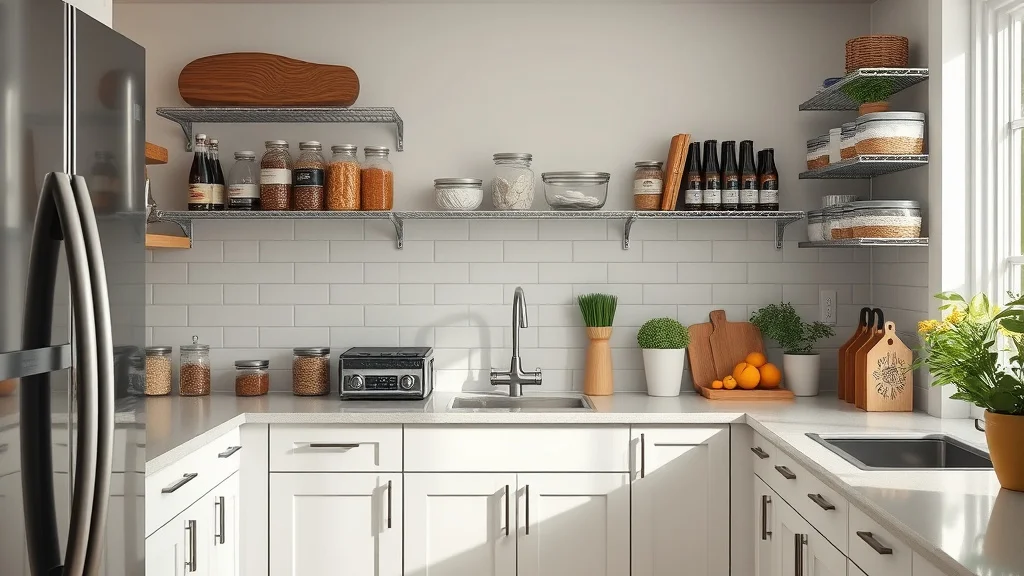
Small kitchen pantry solutions are essential for maximizing efficiency and ease of access, particularly in shared spaces where multiple people use the same area. When creating zones and storage options like can racks, the effectiveness of your organization strategy is paramount. It’s common to make mistakes that can affect functionality and convenience. In this article, we’ll explore common missteps and offer practical advice on optimizing your pantry with thoughtful solutions tailored to a small kitchen environment. This includes creating strategic zones for food storage, choosing the right can racks, and understanding their placement and usage.
Understanding the Importance of Zoning
The first step in organizing your small kitchen pantry is to understand the significance of zoning. Creating designated zones helps in categorizing items, making it easier to find them and enhancing the overall efficiency of your kitchen space.
- Establish different sections for snacks, canned goods, spices, dry goods, and baking supplies.
- Ensure each zone is easily accessible and minimizes the distance traveled across the space.
- Avoid mixing items from different categories, as this can lead to clutter and confusion.
Choosing the Right Can Rack
Can racks are ideal for organizing canned goods efficiently, but choosing the right type is crucial. There are typically static and rotating can racks, each serving a different function.
- Static can racks are simple, budget-friendly options that keep cans in a fixed position.
- Rotating can racks allow you to rotate cans as you use them, ensuring easy access to older cans first.
- Consider the frequency of use and space available in your pantry when selecting the appropriate can rack.
Pros and Cons of Static vs. Rotating Can Racks
| Type | Pros | Cons |
|---|---|---|
| Static Can Racks |
|
|
| Rotating Can Racks |
|
|
Optimizing Shelf Space
One of the most common mistakes in small kitchen pantries is underutilizing shelf space. Optimizing vertical and horizontal space can significantly increase your storage capacity.
- Install adjustable shelves to make the most of different sized items.
- Utilize shelf risers to create additional layers of storage.
- Consider over-the-door organizers for extra storage.
The Role of Containers and Labels
Containers and labels play a crucial role in a well-organized pantry. They not only help in keeping like items together but also create a uniform look that can turn a cluttered pantry into an aesthetically pleasing space.
- Use transparent containers for visibility and to easily monitor inventory levels.
- Label containers clearly to avoid confusion and ensure family members know where everything belongs.
- Choose stackable containers to maximize vertical space.
Considerations for Shared Kitchen Space
Organizing a shared kitchen pantry involves additional considerations, as multiple users can lead to chaos if the organization plan is not clearly defined.
- Create individual zones or sections for each user.
- Develop a jointly agreed-upon system for replenishing shared ingredients.
- Establish a regular cleaning schedule to maintain order.
Preventing Expired Goods Accumulation
A well-organized pantry should facilitate the monitoring of expiration dates to prevent the accumulation of expired goods.
- Use the first-in, first-out (FIFO) method to ensure older items are used before newer ones.
- Regularly check for expiration dates and plan meals to incorporate any goods approaching their use-by dates.
- Utilize rotating racks or clear containers to keep items visible and accounted for.
Effective Lighting Solutions
Lighting can dramatically change the usability of a small pantry. Proper lighting ensures everything is visible, reducing the time spent searching for items.
- Install LED strip lights along the shelves for an even distribution of light.
- Consider motion sensor lights that activate when the pantry door is opened.
- Ensure there is no shadowing of key areas by adjusting light placement.
Innovative Door Solutions
Adding storage solutions to the pantry door enhances overall storage capacity and keeps frequently used items within easy reach.
- Install wire racks or magnetic strips on the door for spices and small items.
- Consider sticky hooks for hanging utensils or small tools.
- Use adhesive pockets to store recipe cards or shopping lists.
Utilizing Technology in Pantry Organization
Integrating technology can help streamline kitchen operations and maintain pantry organization efficiently.
- Use inventory tracking apps to monitor stock levels and manage shopping lists.
- Install smart barcode scanners for quick data entry and management.
- Incorporate smart speakers for voice-activated lists and reminders for low-stock items.
Customizing Your Pantry Design
Customizing the design of your pantry allows for personalized solutions that cater to your specific needs and lifestyle.
- Work with a professional or DIY your own shelving to fit your unique space.
- Consider the height and depth of shelves to accommodate the types of items you frequently store.
- Incorporate personal touches, such as decorative bins or inspirational labels.
Frequently Asked Questions
What is the ideal spacing for pantry shelves?
The ideal spacing for pantry shelves varies based on the items being stored, but a general recommendation is 12 inches between shelves for easy access and visibility. Check prices on Amazon
How often should I reorganize my pantry?
Regularly inspect and declutter your pantry at least once every quarter to maintain organization and check for expired items.
Can rotating racks be used for bottles?
Yes, rotating racks can be adapted to hold bottles, though it’s essential to ensure they are securely placed to avoid spills.
What are the best materials for pantry shelving?
Sturdy materials such as wood, metal, or high-strength plastic are best for pantry shelving as they provide durability and support.
How do I handle small pantry spaces?
Maximize every inch by utilizing the door, vertical wall space, and adjustable shelving to cater to different storage needs.
Why should I label pantry containers?
Labeling containers ensures easy identification, prevents mix-ups, and aids in quickly finding and returning items to their place.
What lighting works best for deep pantry spaces?
Motion sensor LED lights provide focused illumination without requiring manual operation, ideal for deep spaces.
How do I prevent pantry weevil infestation?
Store grains and baking supplies in airtight containers, regularly clean your pantry, and check packages for signs of infestation.
Final Thoughts
Organizing a small kitchen pantry means more than simply arranging items on shelves. By carefully considering zoning, choosing the right can rack options, and implementing effective storage solutions, you can create a neatly organized, functional, and accessible pantry. With personalized solutions and careful planning, even shared spaces can benefit from a straightforward, efficient setup, helping to keep your kitchen’s heart running smoothly. Remember, the goal is to enhance efficiency while maintaining a pleasant environment for all kitchen users.
